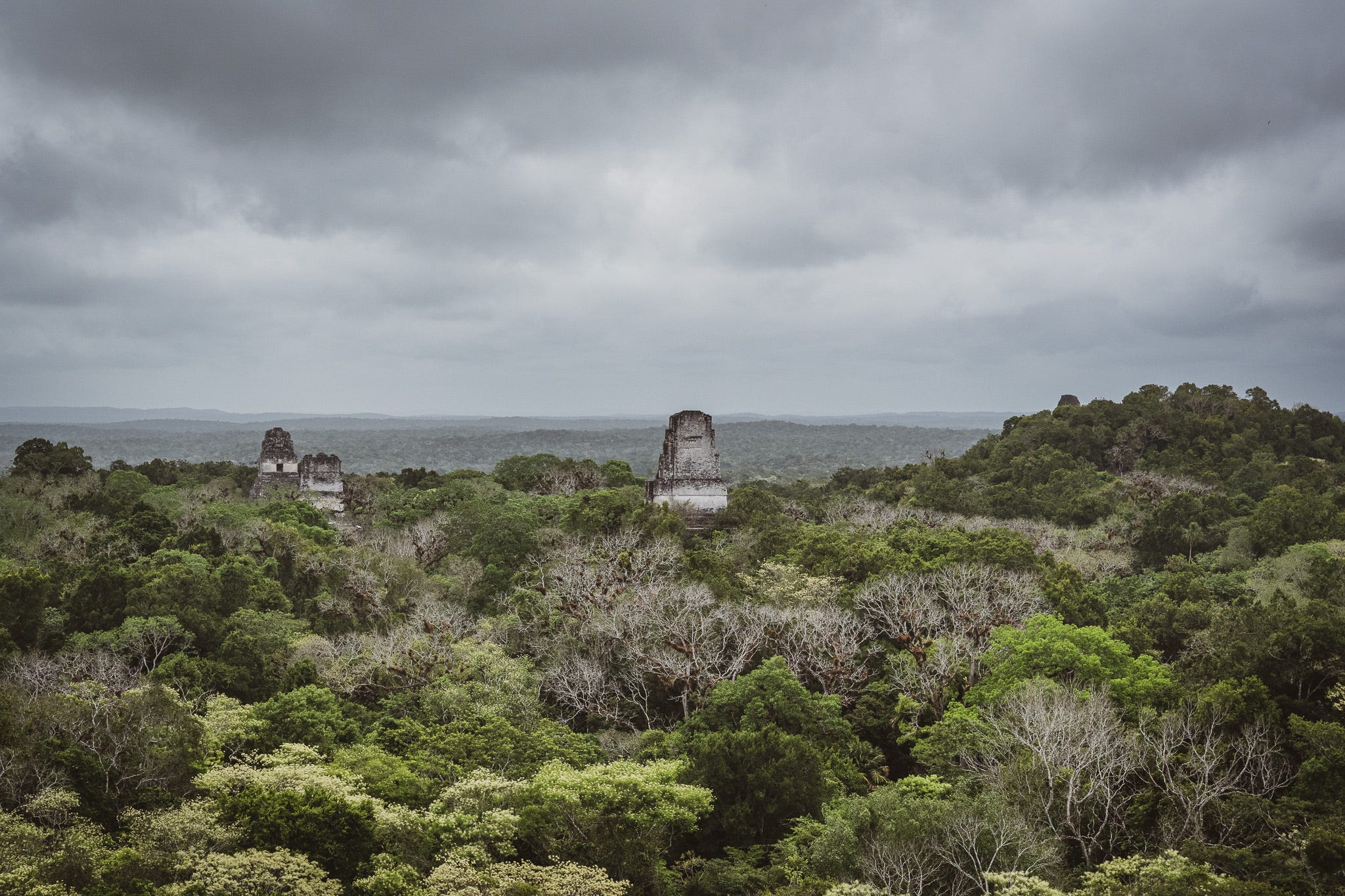
The ancient ruin city of Tikal in the northeastern region of Petén remains the national postcard and symbol of the region’s Maya heritage.
Guatemala. Who would have thought that I’d fall head over heels for this country and its people?
I will try not to romanticise, but it is going to be hard. Firstly, because I’m a hopeless romantic. Secondly, because Guatemalans.
I mean, it is hard to grasp how this country and its people retain such a gentle, hospitable, and loving energy after a mass exodus that has shattered families, a brutally violent 35-year-long US and Israeli-initiated civil war, and centuries of ongoing colonization.
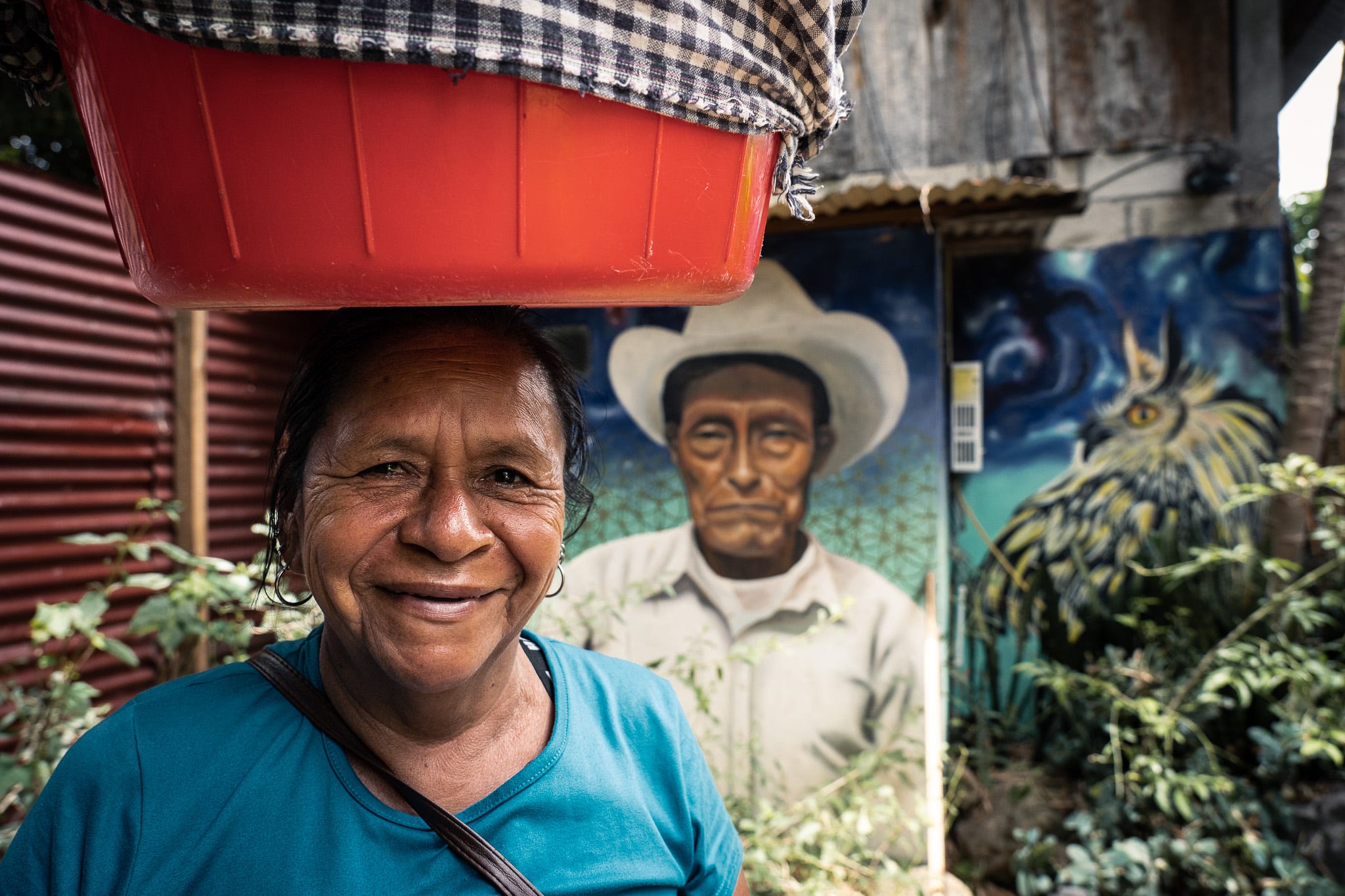
Still, amid this pain, the Guatemalan people I have met keep smiling at life and strangers.
Culturally, Guatemala is a wildly diverse country, its small size considered. The population of 18 million speaks 25 languages, most of them Maya dialects—22 total. Despite the colonial repression of their culture, the vast indigenous population—around 50%—still nurtures its traditions, especially around Lake Atitlan, where I have spent most of my time.
There, I documented the lives of families who have been divided due to migration, mainly to the US.
I learned about the sacrifices migrants make to create a better future for themselves and their families, and took portraits of the mothers, wives, and children who are left behind as young men embark on the dangerous and costly journey across borders, endure conditions akin to slavery, and suffer from stigma and persecution.
These are the people currently criminalised and hunted by Trump’s ICE officers.
In a striking contrast to the grim realities of migration, I have learned about the power of ancestral wisdom through a family of midwives and spirit guides. They have made it their mission and call to share their knowledge with the world—to bring spirituality back to the equation.
The pictures that follow are my attempt to explore the complexity of contemporary Guatemala and the lessons I’ve been left with by people who have reminded me of nature’s abundance, the power of prayer, and the importance of family.
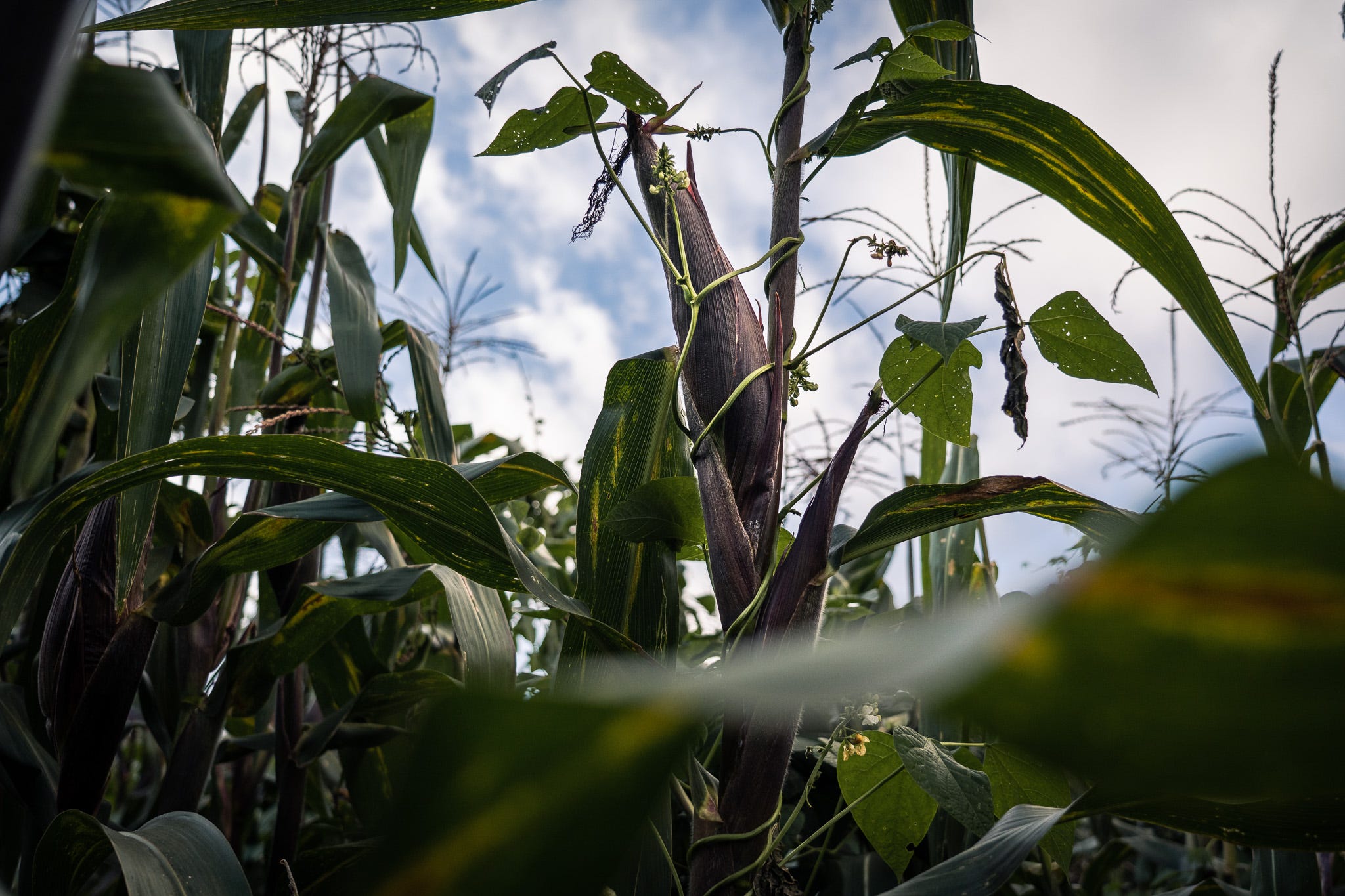
The Maya call themselves the children of the corn, and corn in all its forms constitutes the staple diet across the country. Tortillas, tamalitos, chuchitos, atol de elote y tostadas. Outside of the big cities, many families still live off the produce they farm on their lands, and it is very common to tend to the milpa—the corn harvest.
Contemporary Guatemala is a country profoundly shaped by indigeneity, tradition, and the country’s challenging geopolitical position, which has wreaked havoc and created a society of absent men, after a long civil war and then a tsunami of irregular migration to North America.
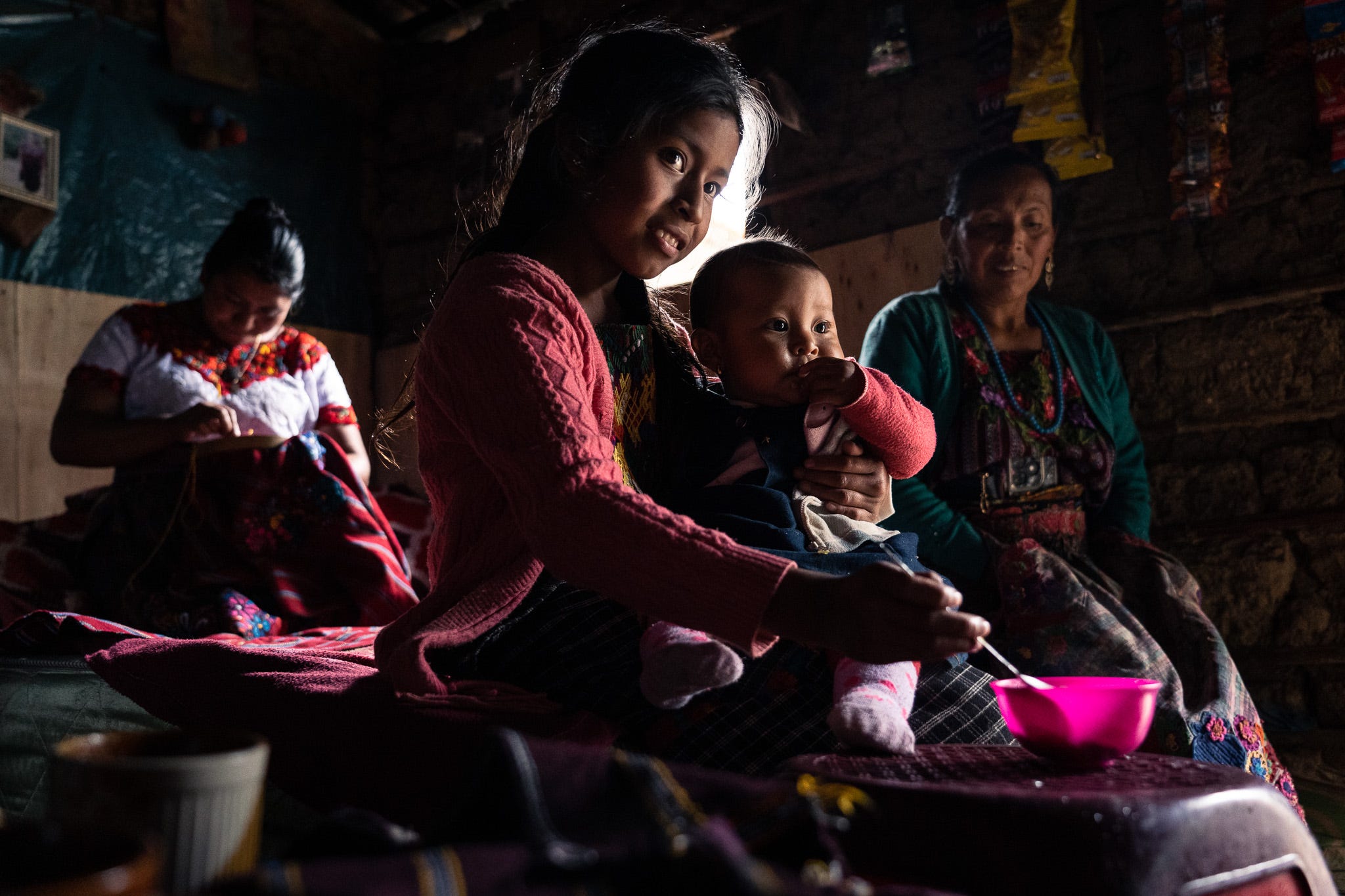
Three generations of Guatemalan women remind us of the impact of imperialism on family life. The civil war that ravaged the country for 35 years was the result of American and Israeli counterinsurgency in Central America, leaving men in particular as the main victimaries and victims of violence. After the war ended in 1996, migration to the US has again left women alone to raise their families. This time, their men are not dead, but work under slave-like conditions in the US.
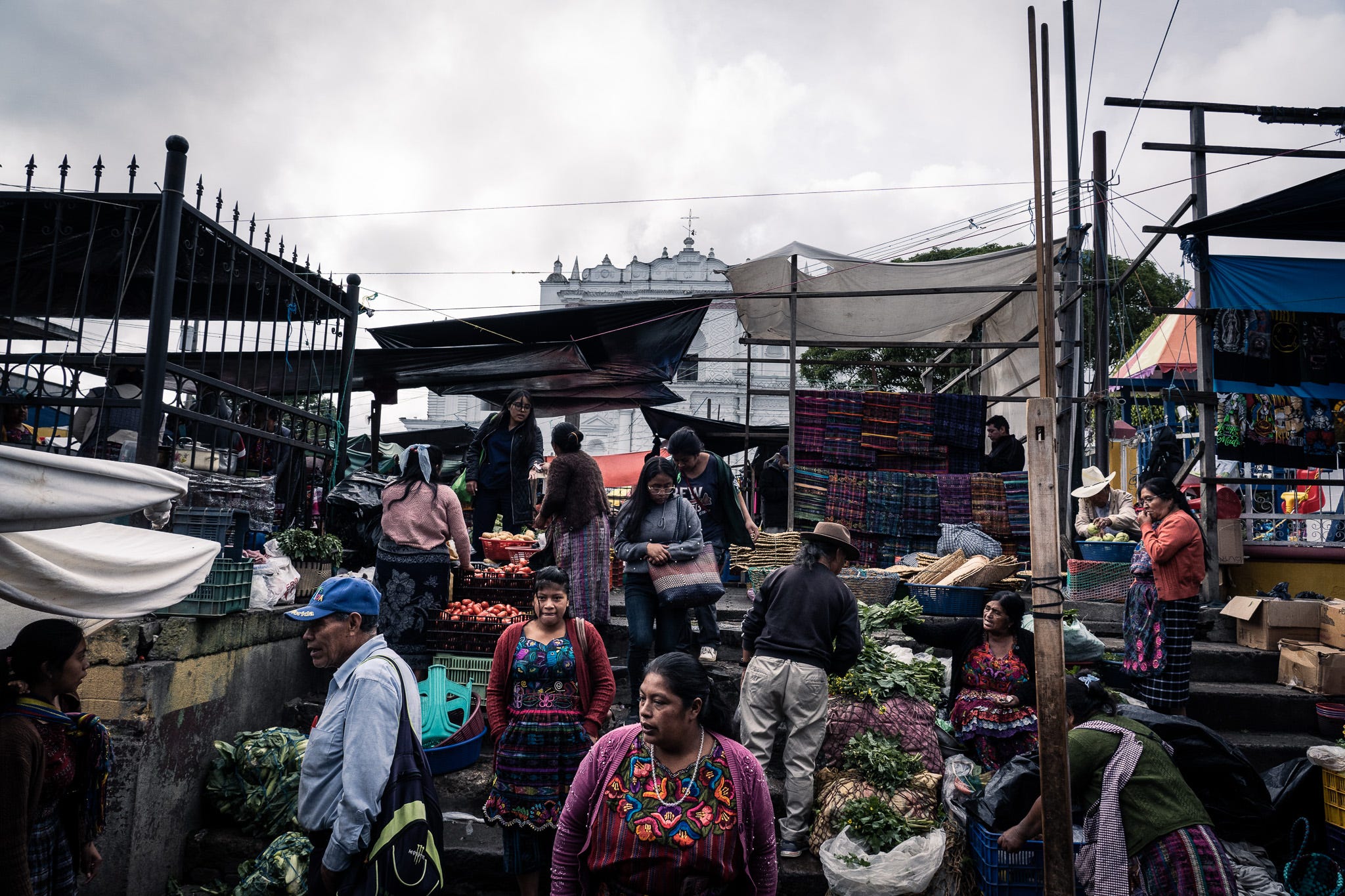
The market at Patzun shows the broad variety of food grown or harvested in this region. Guatemala has a mild and humid climate, perfect for agriculture. But whereas nature here is abundant, Guatemala’s insertion into the global economy as a source of cheap resources and cheap labour has created enormous challenges for the population.
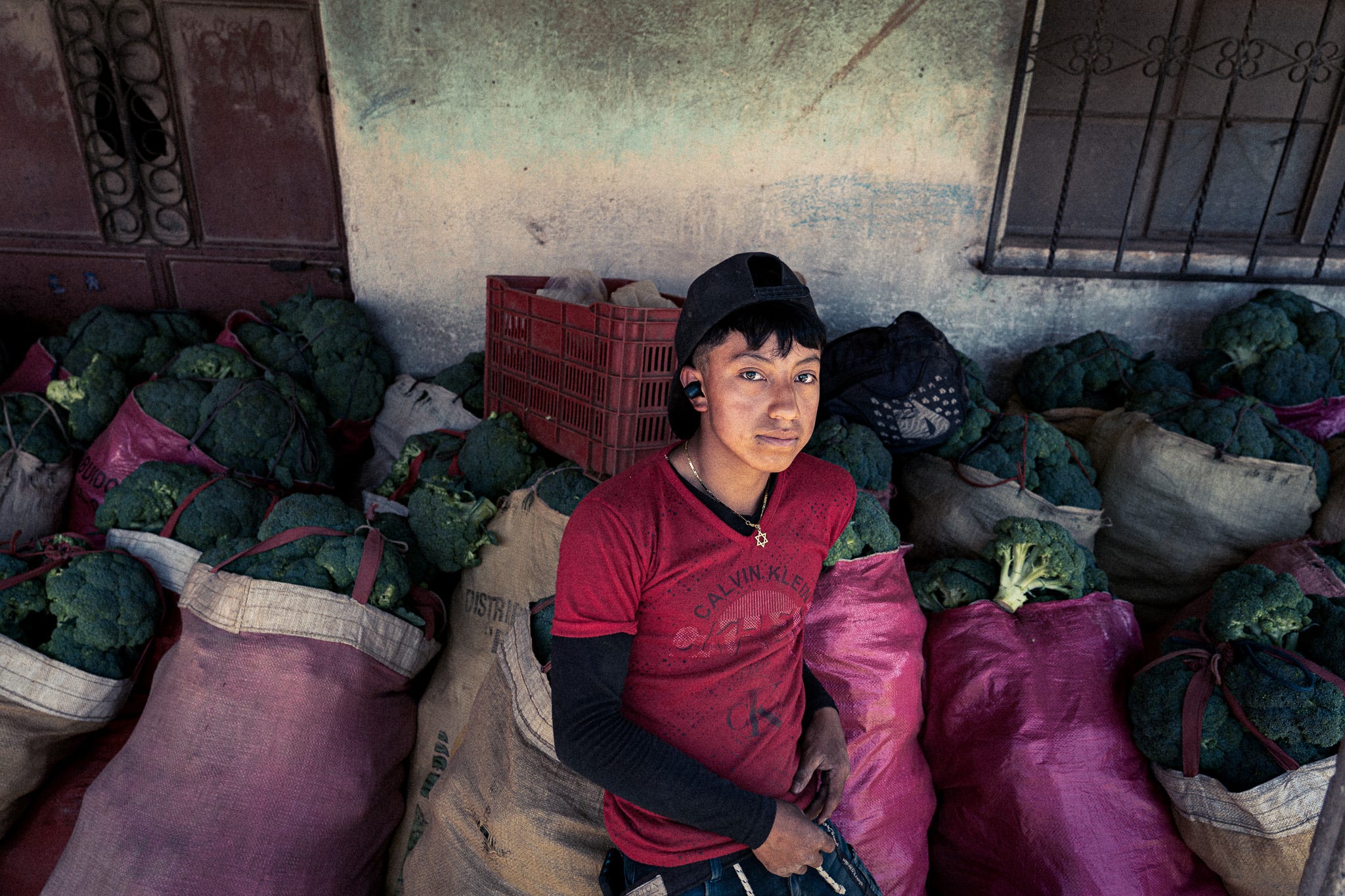
A teenager in Xepatan is working for the local broccoli processing center. Many young kids quit school at age 13, after their mandatory first six years of public education. Financial opportunities are the main reason why many kids don’t continue to high school but work in agriculture for wages that can be as low as $60 a month.
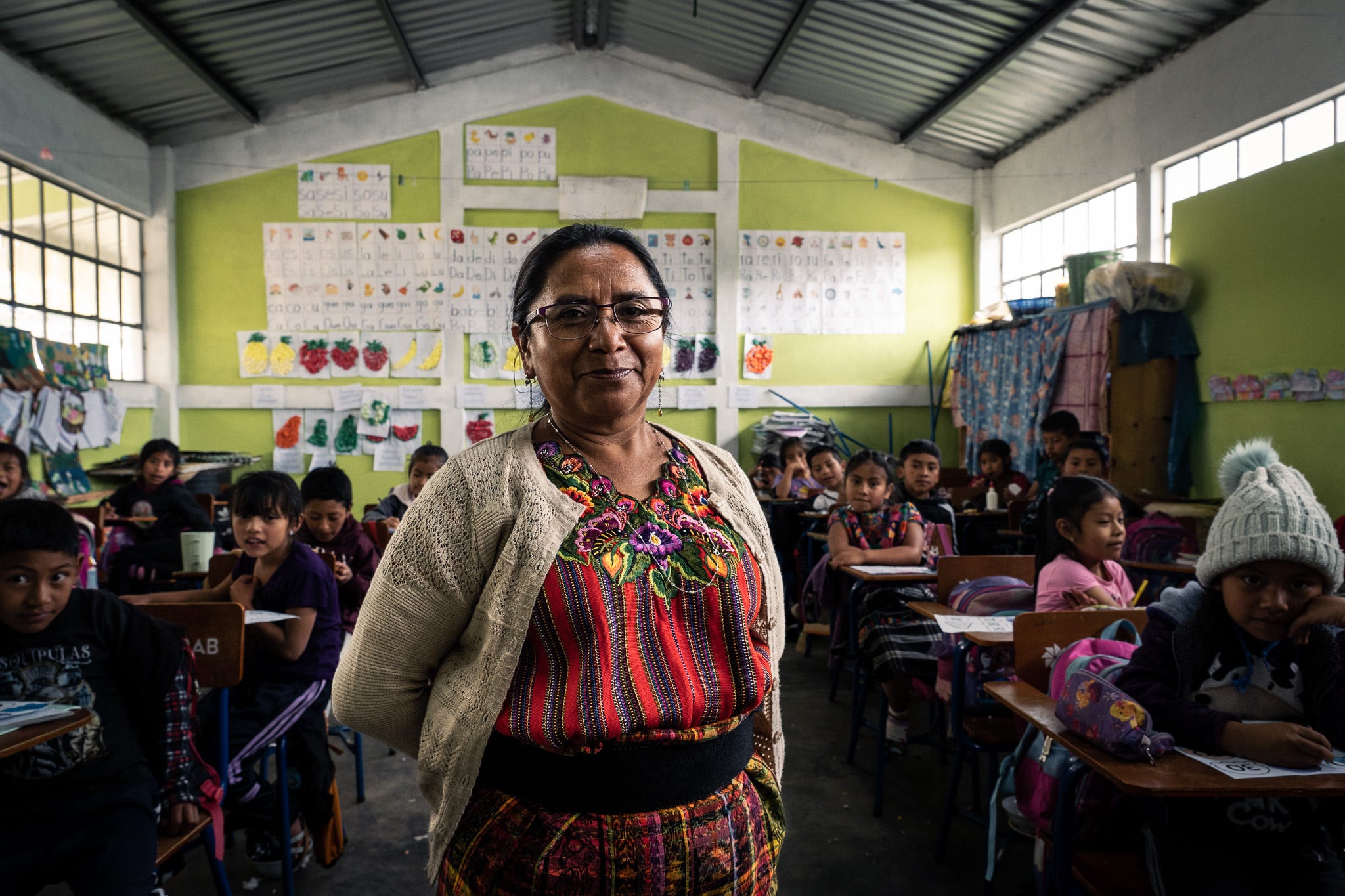
In this school class, there is not a single student who does not have at least one family member who has migrated to the north. Seño Fransisca says that she can see the students’ performance drop when their father migrates, and notes how the underemployment and lack of economic opportunities in villages like Xepatan, where this picture is taken, mean that many of her students dream about migrating
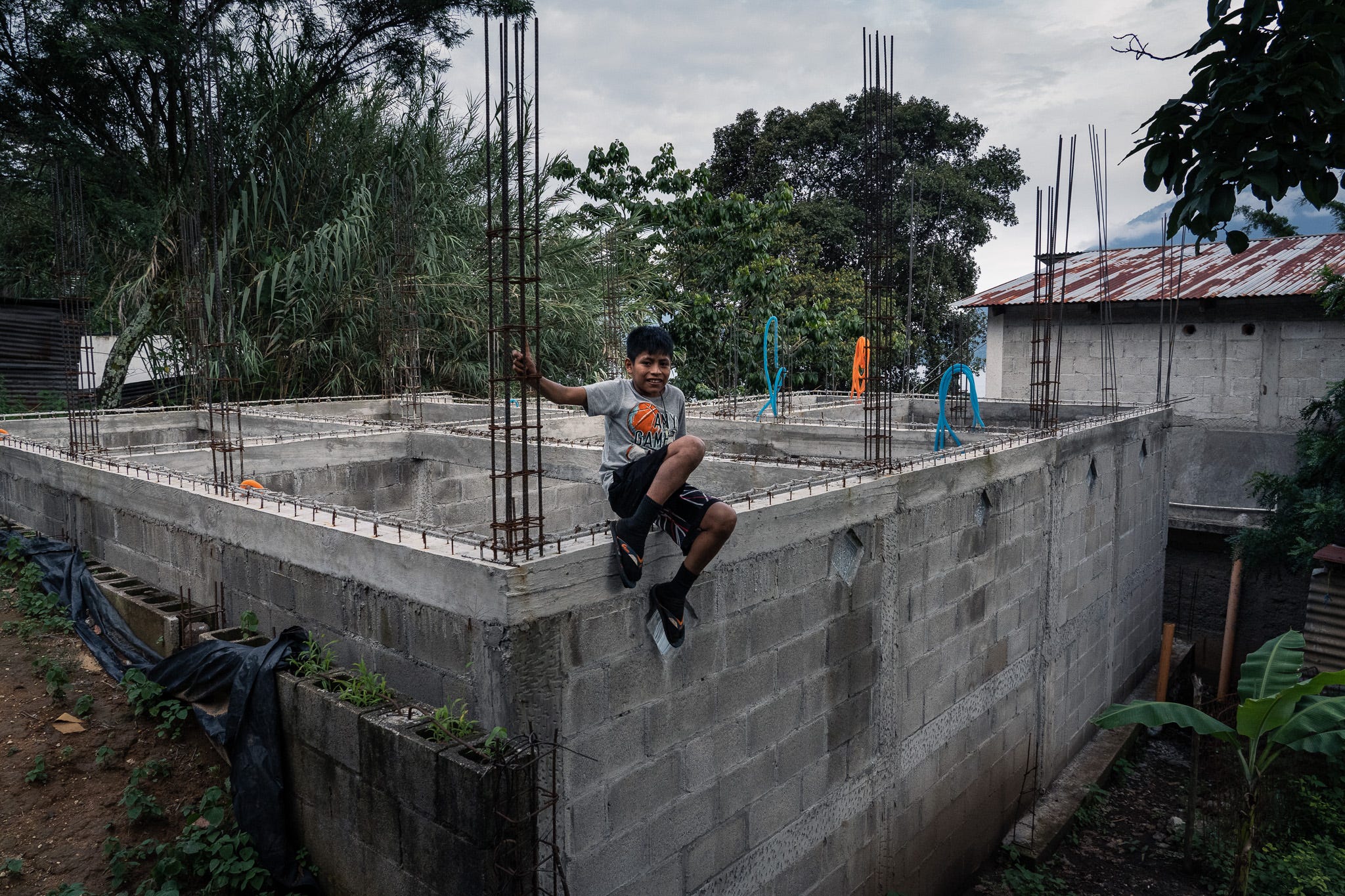
Kids like Ventura grow up without their fathers, as the men who migrate spend years or even decades in the US to finance the construction of a family home in Guatemala. Their wives and children usually live with the father’s family until he can return.
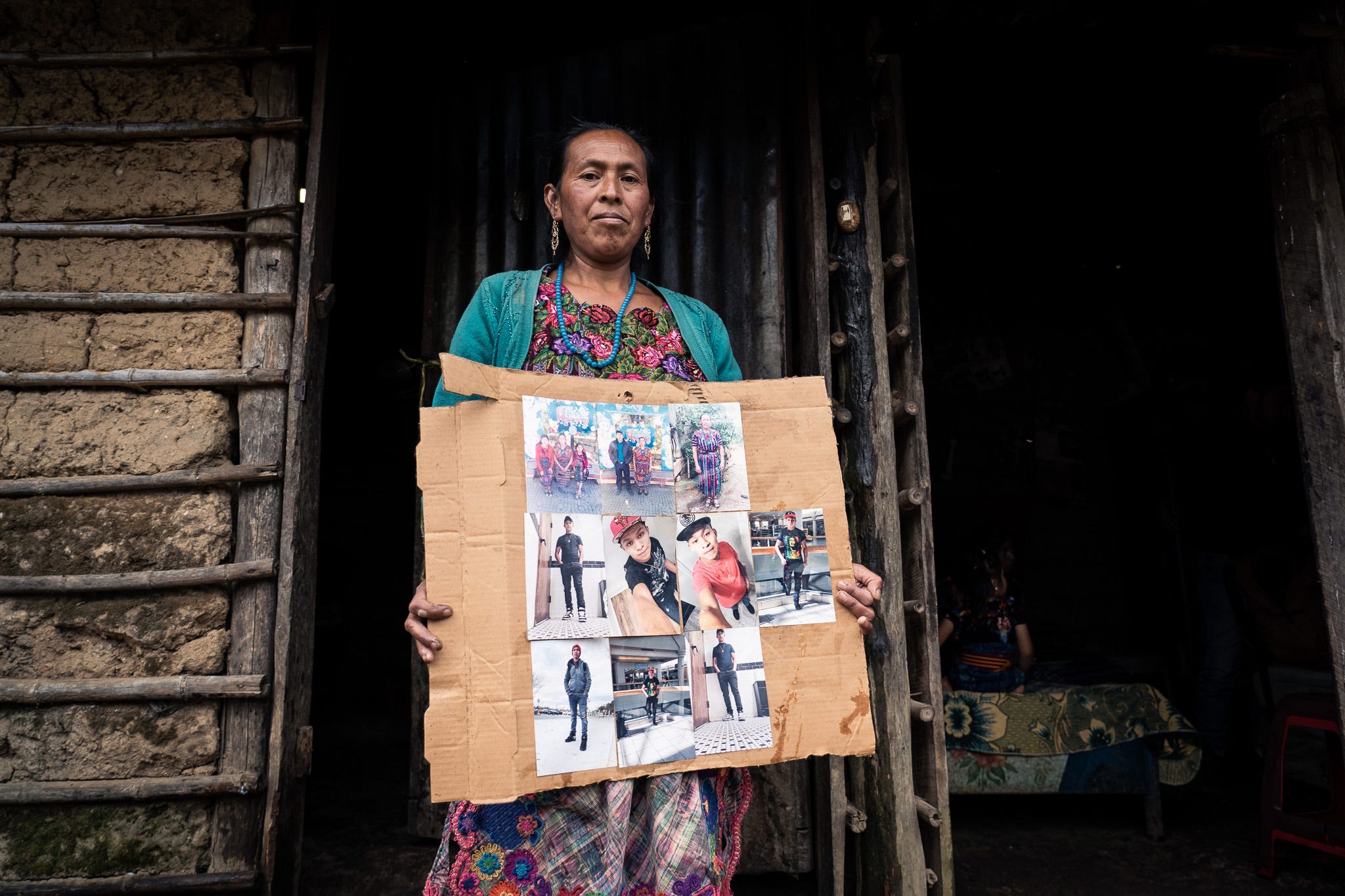
A mother holding up a cardboard with images of her son who has migrated. She does not know if or when she will see him again, and the remittances he sends to the family barely cover the down payments of the $15.000 loan he took to pay the coyotes that took him across the border. Many die in the attempt, or they are forced to act as drug mules. In the US, they work endless shifts for meager wages—sometimes 13-14 hours a day for 2 dollars an hour, and with only one day a week off. Many of the migrants struggle with mental health issues and addictions, and send as much of their salaries to their families in Guatemala. Remittances amount to almost 20% of Guatemala’s GDP.
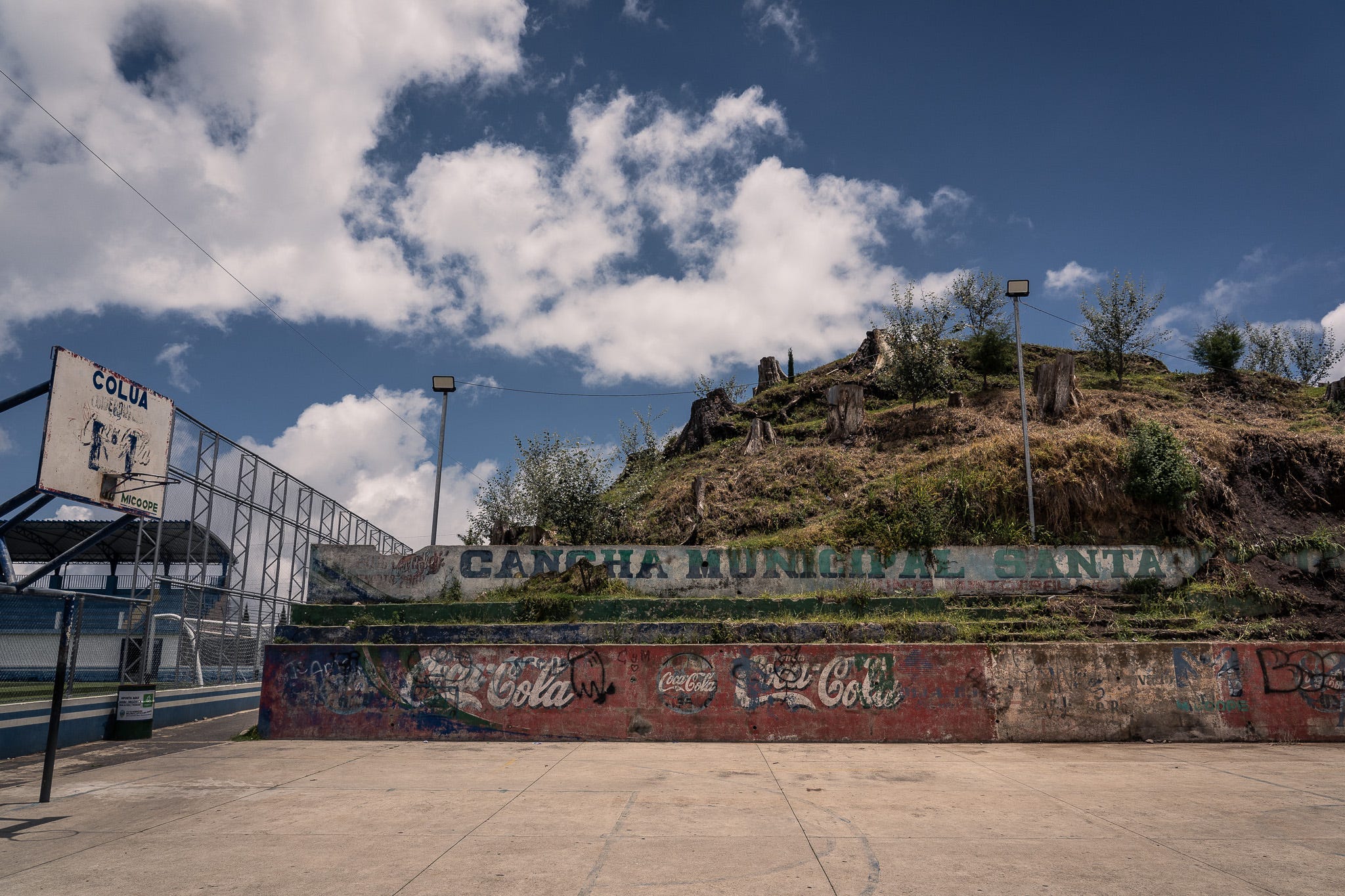
Colonialism is not a thing of the past—on this mound, which is probably an ancient pyramid, Maya spiritual guides used to hold ceremonies until the local municipality cut down all the trees. The football field next to the mound was built atop a Maya archeological site. When the preparation for the foundations of the soccer stadium revealed a wealth of archeological objects, local Maya leaders were given a few days to pick up whatever they could find before the construction work was resumed. Cutting sacred trees and building a soccer field on top of ancient ruins is an example of how the erasure of Maya culture continues to this day.
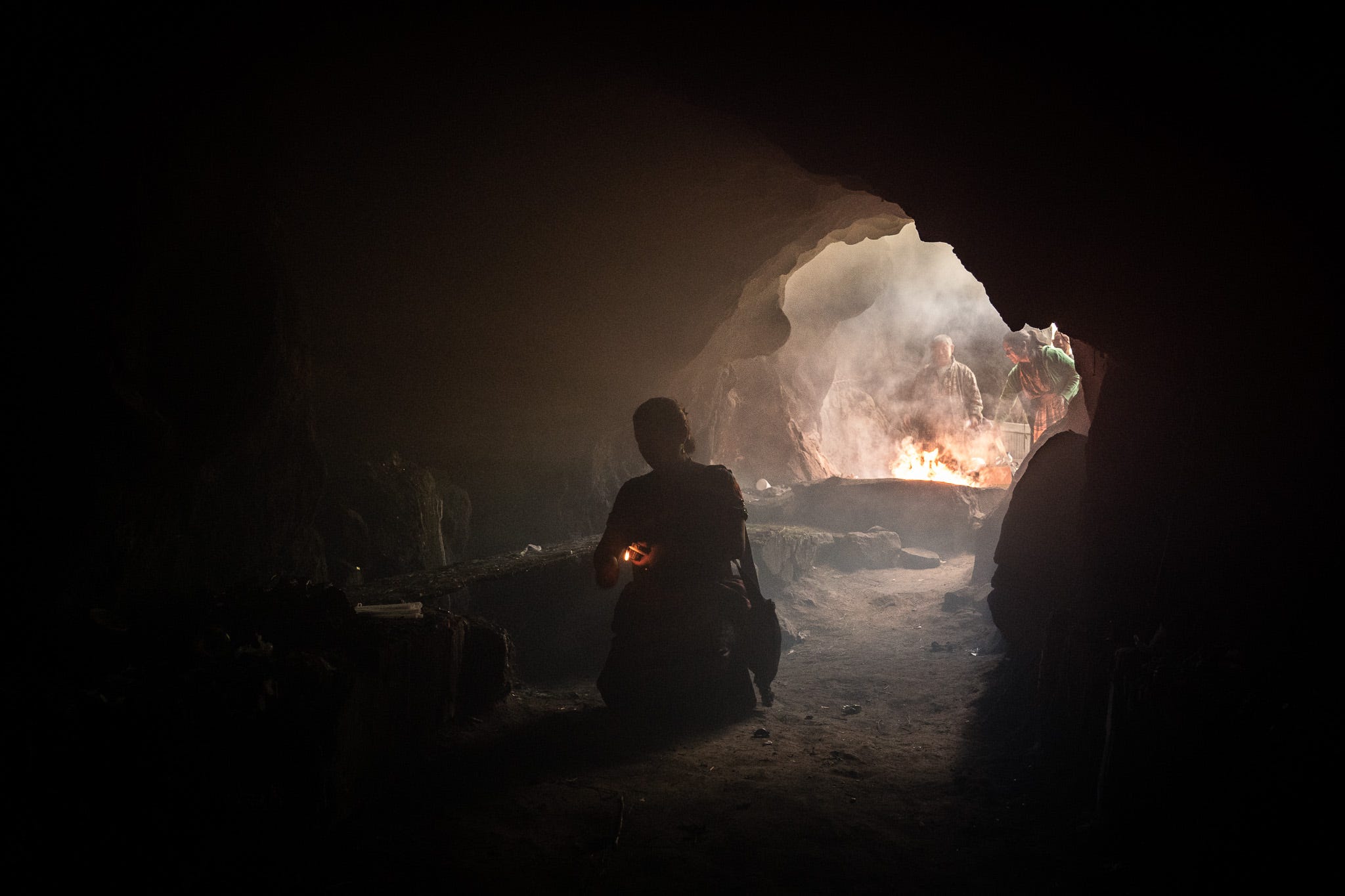
Nana Reina is praying in a sacred cave near the village of Santa Lucia de Utatlan. In the cave entrance, another group is performing a fire ceremony, which is the way the Maya in this region commune with the spiritual world. Access to this particular cave was closed by the landowners and then reopened after local resistance. It is an example of how the privatisation of land affects nature-based spirituality also in Guatemala.
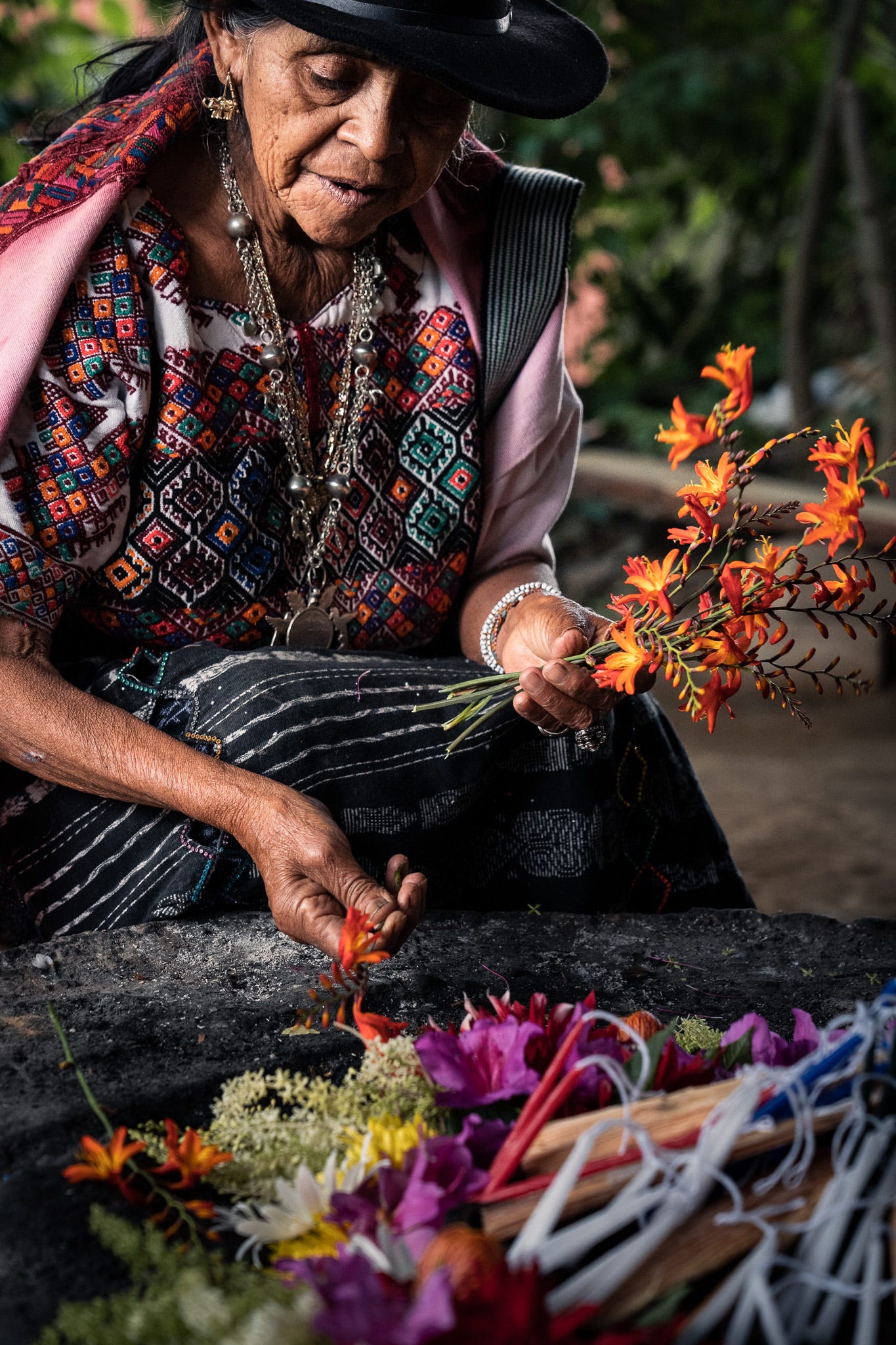
Nana Rosalia is preparing a sacred fire in the ceremonial area of her property. She is a spirit guide and was one of the first leaders of the local Maya council. She is also the matriarch of a family of five daughters, all spiritual guides and central to the Guatemalan indigenous movement. As carriers of ancestral wisdom, they know more than most about the violence of “the system”. They are devoted to reminding us of the importance of honoring our ancestors and Mother Earth.
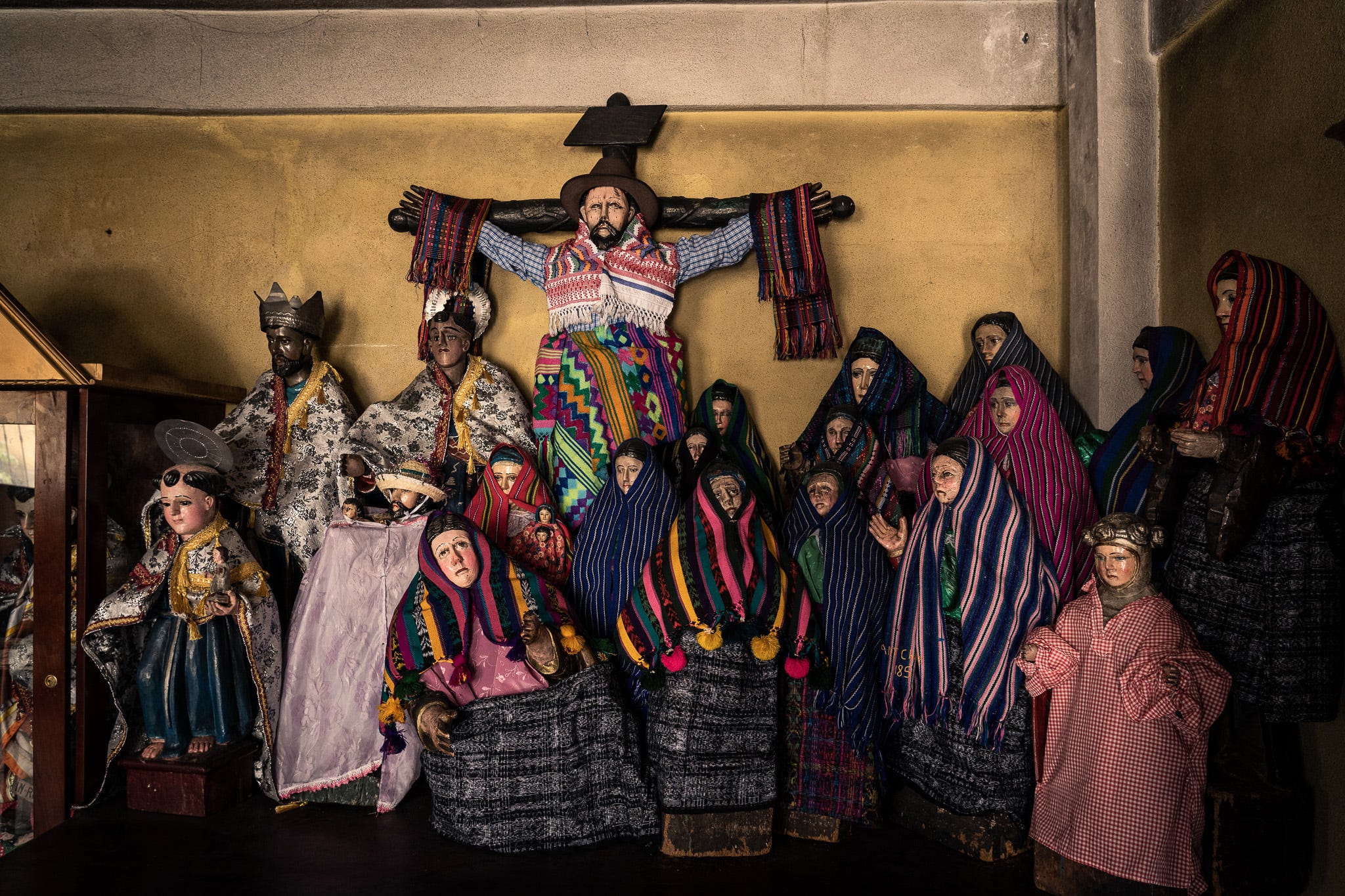
While Maya spirituality is still practiced, and even growing in the years since the Civil War, syncretic practices that mix catholicism with Mayan beliefs are the most common religious practice in the country. This image shows an effigy of Jesus in traditional Maya robes
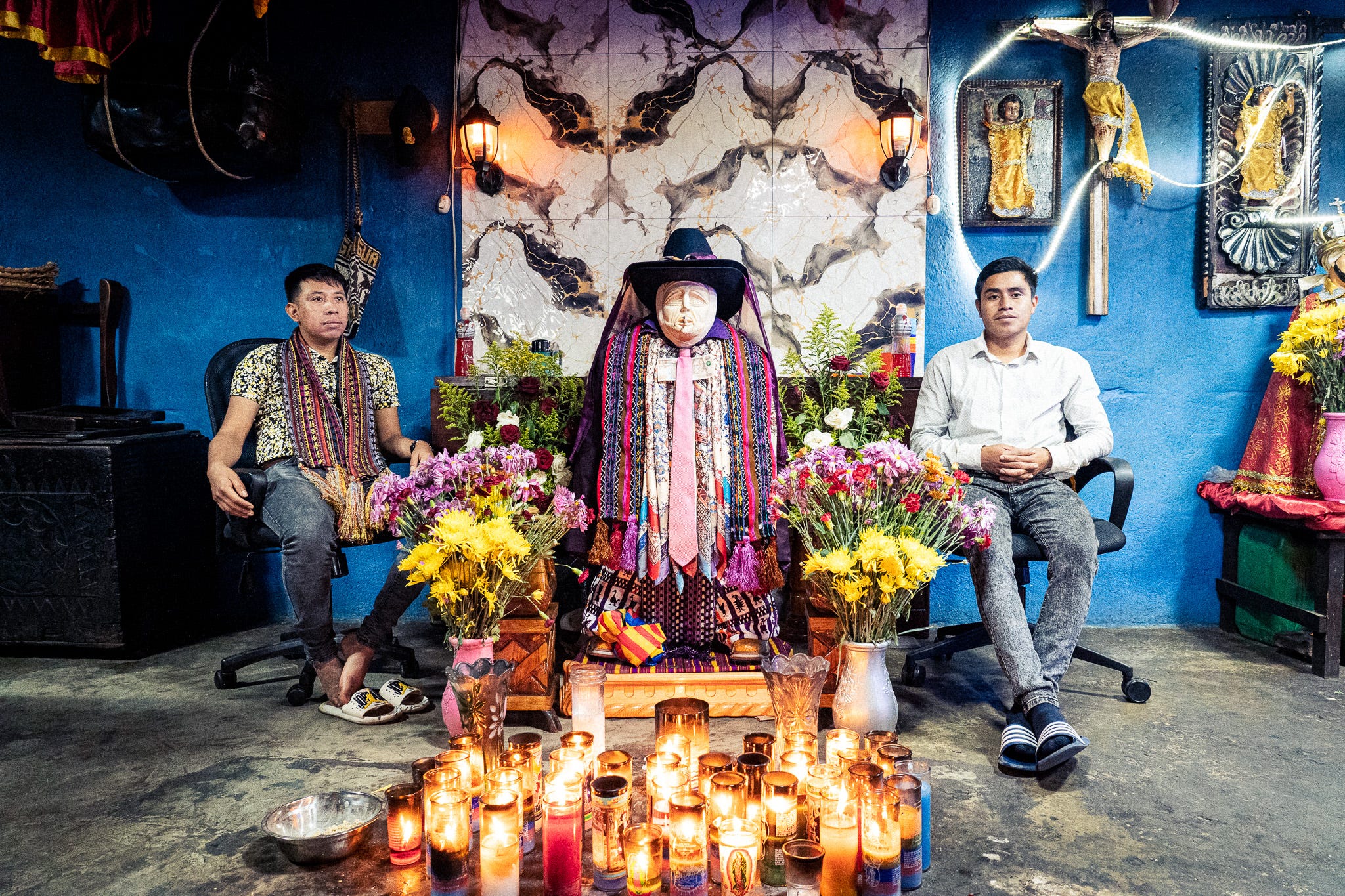
While faith may vary across the population, Guatemala remains a profoundly religious country, and devotion to God is an important element of everyday life. These two men are part of a brotherhood that acts as stewards of Maximon, Rilaj Maam—the Grandfather, or San Simon—a syncretic trickster figure that represents the complexity and ambiguity of the human in his love of alcohol and tobacco, but also in his severity and kindness.
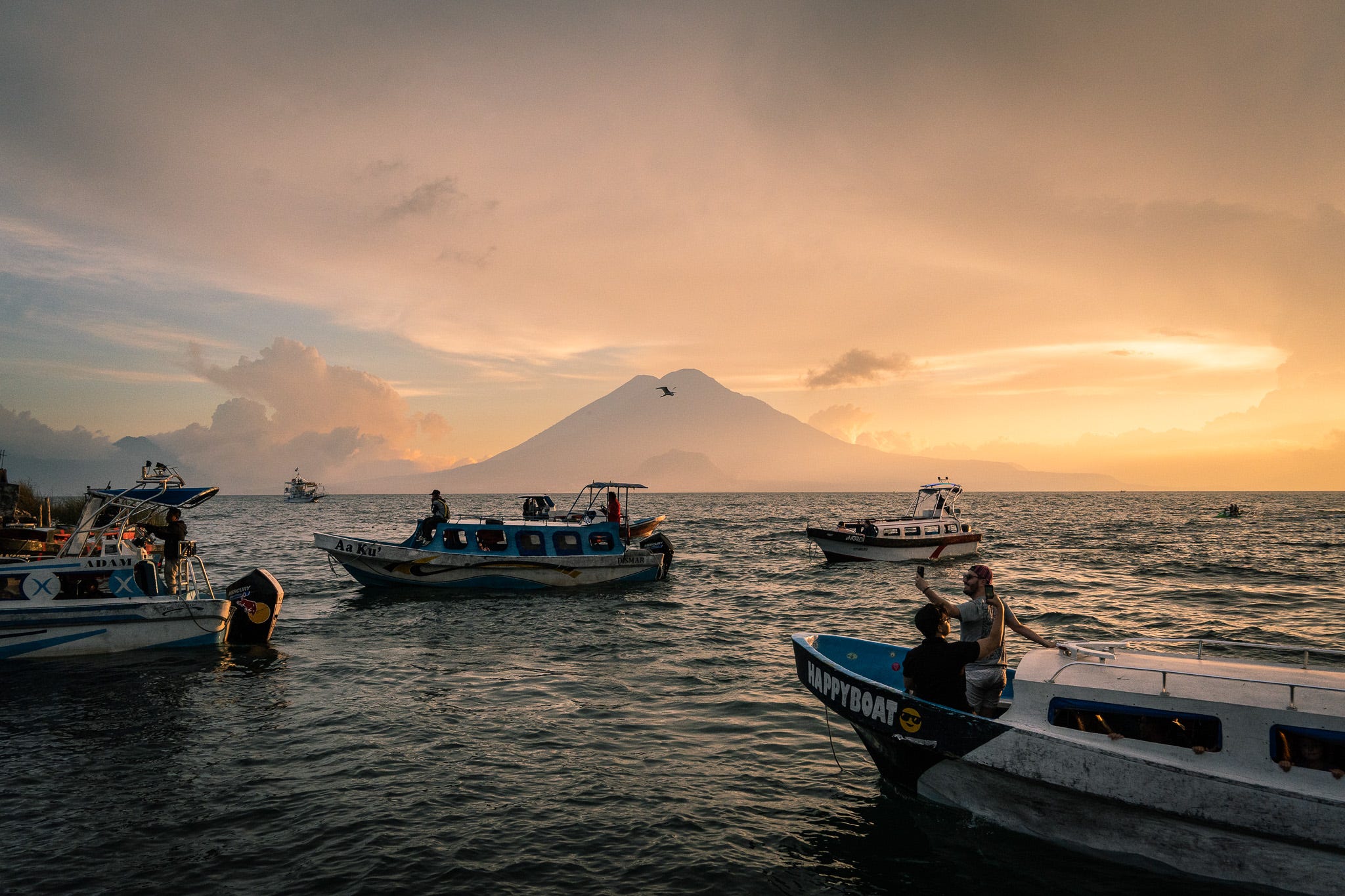
Today, new frictions but also new opportunities are reshaping the country, like here at Lake Atitlan, where the growth of international and spiritual tourism is quickly transforming the economy, rituals, and ways of life of the lake’s Kaqchikel and Tzʼutujil inhabitants.
CAPI TACO'S FIELDNOTES is a reader-supported publication. To receive new posts and support my work, consider becoming a free or paid subscriber.


Amazing pictures and context. Are you trying to apply to be a National Geographic writer and photographer?!? Great post!
Incredible! And these photos?! Stunning