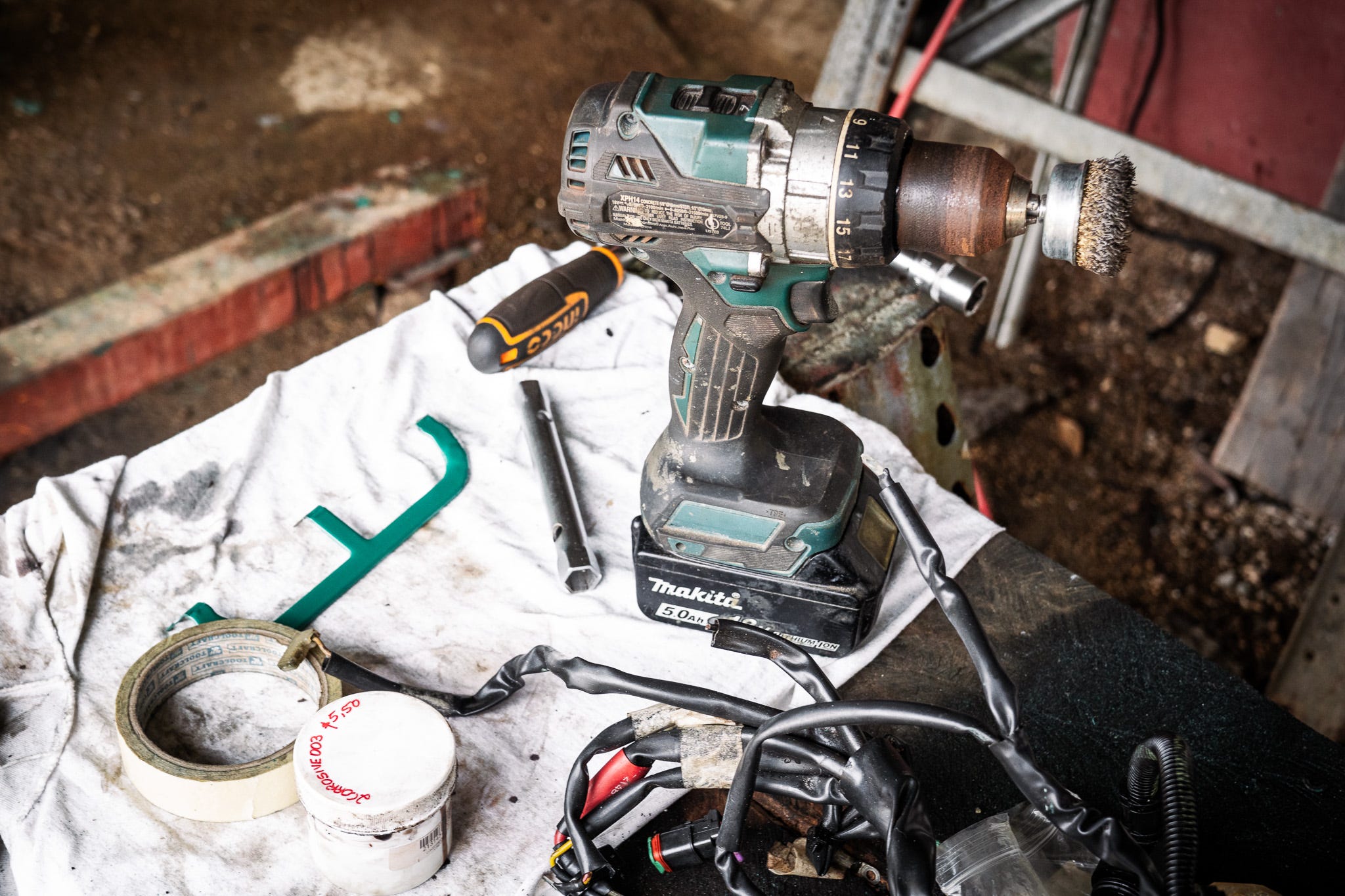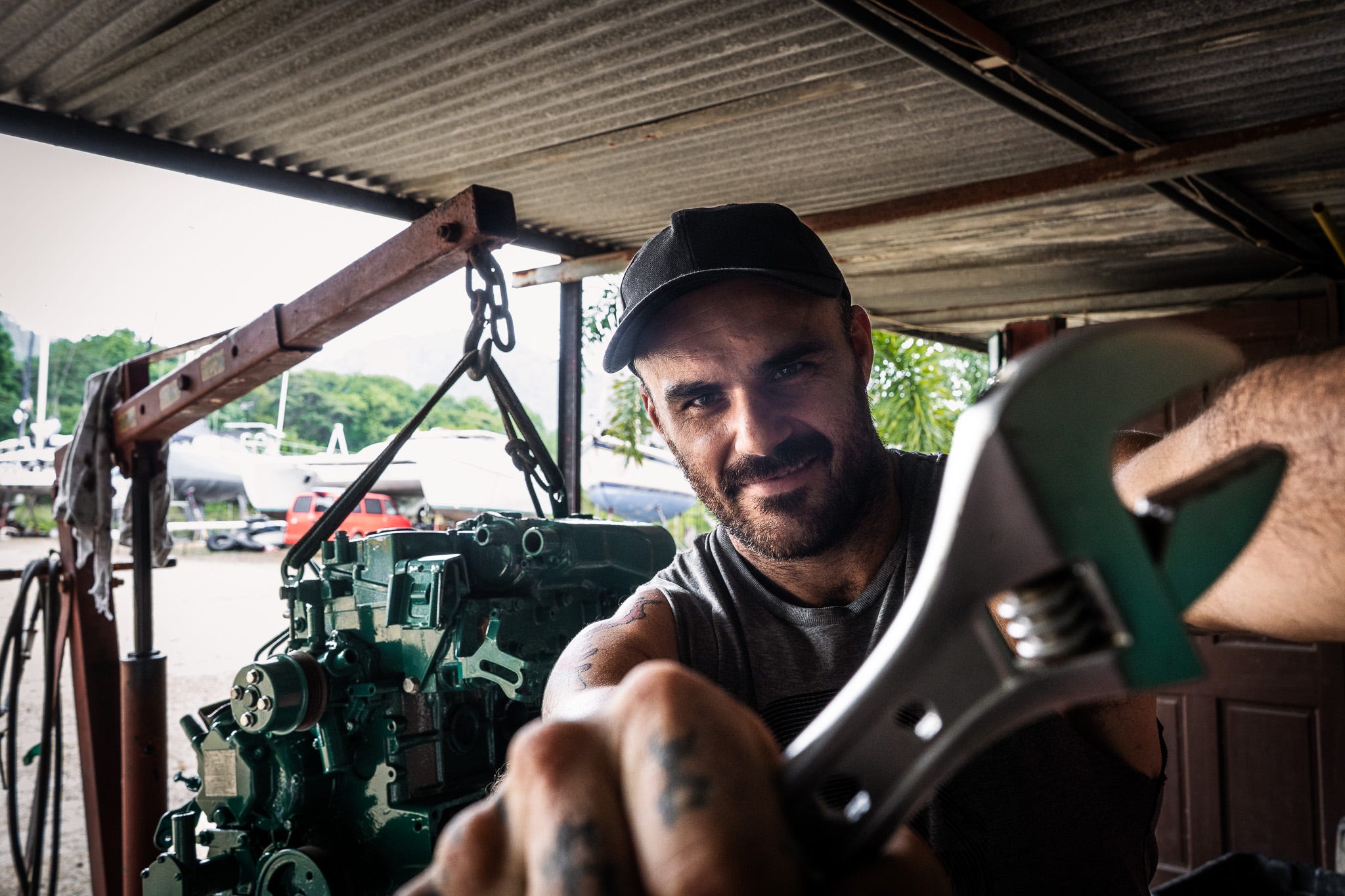
I’ve spent the last couple of weeks in a fog of power tools, engine mechanics, and clothes drenched in sweat. Nights are damp. Work day starts at 6.30 AM. Sundays are off.
Strict rules for someone living the simple life under a coconut tree. But that’s boat life for you, and if you thought it was easy breezy, well… you’re mistaken.
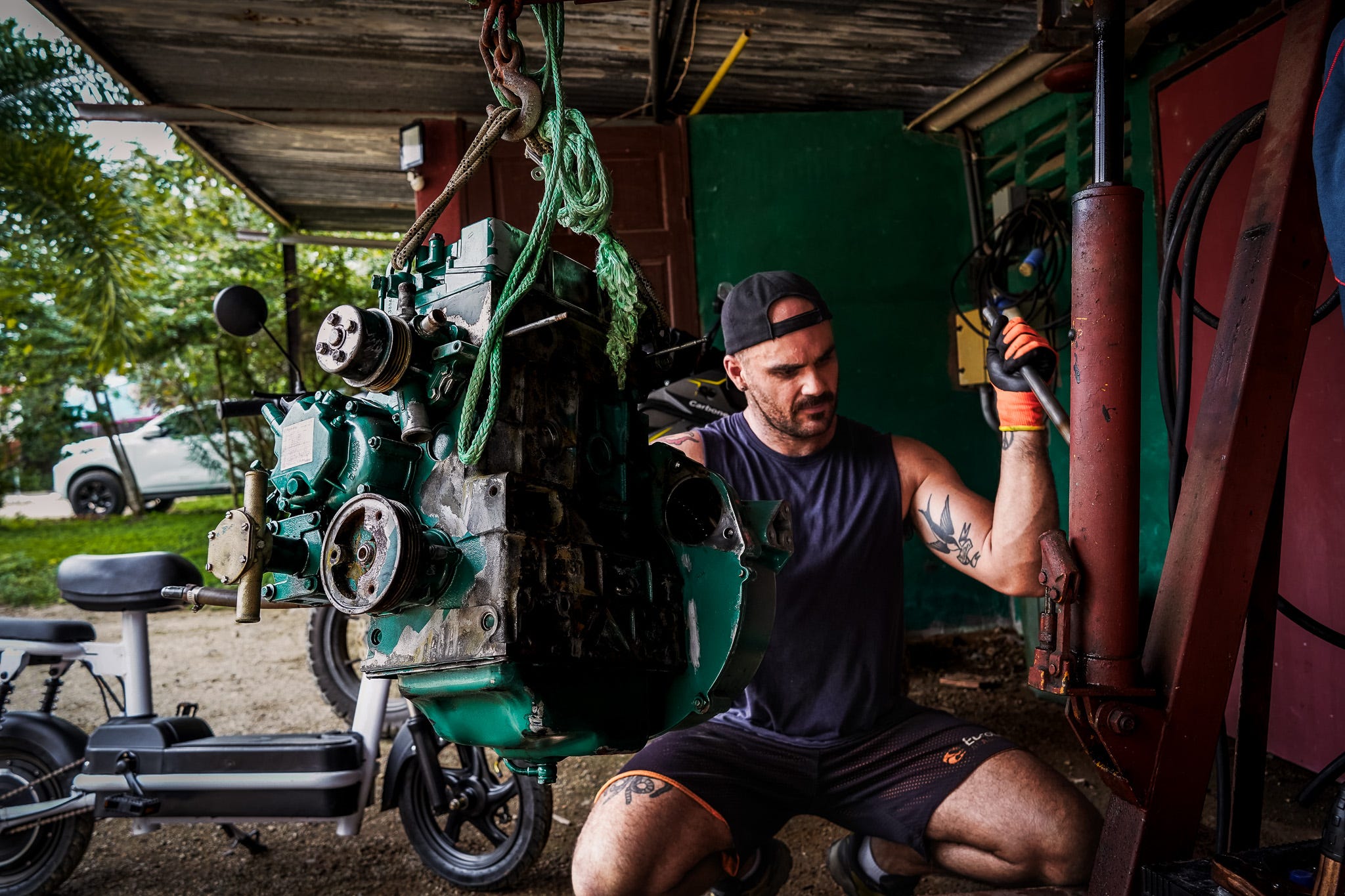
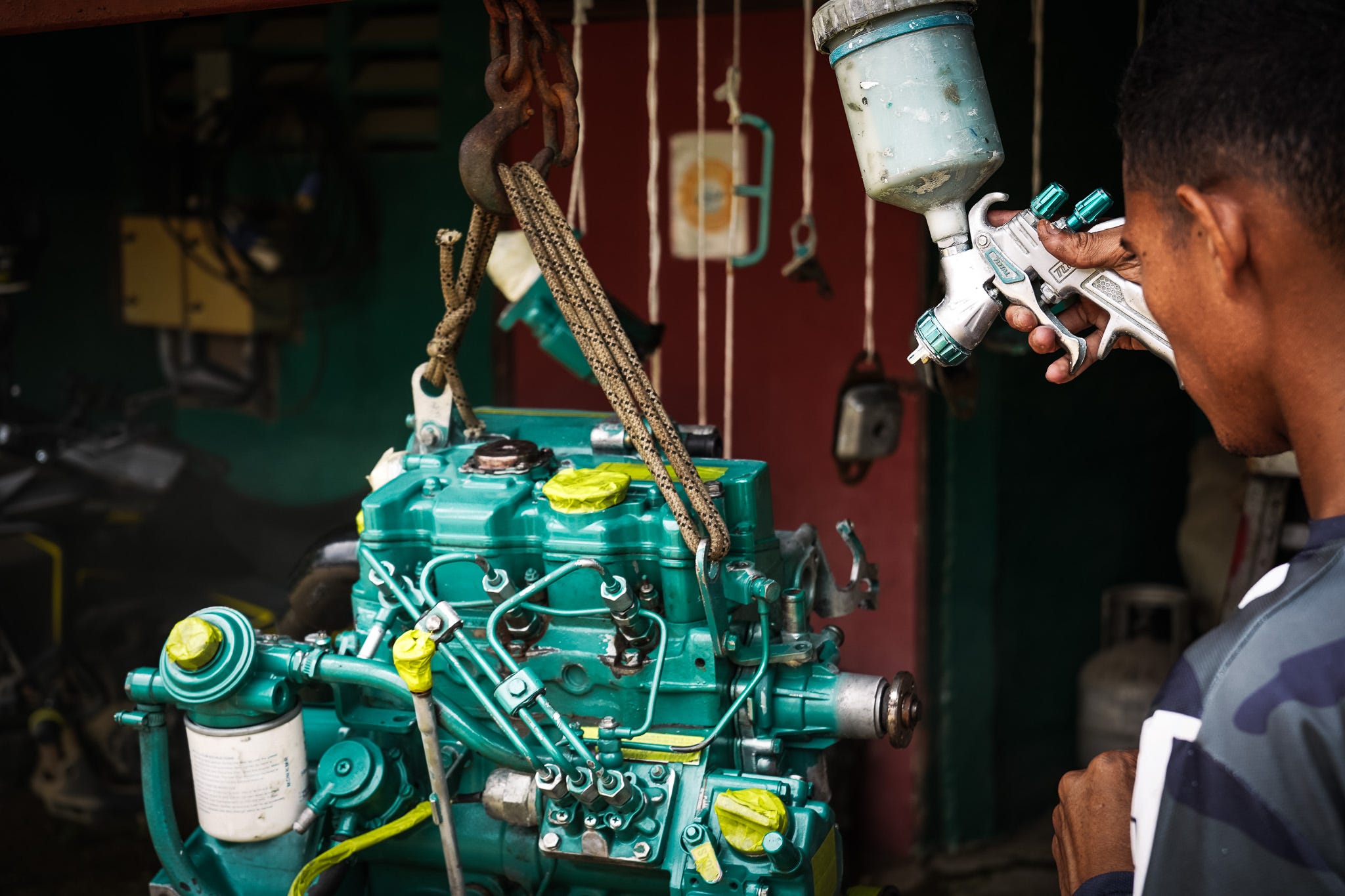
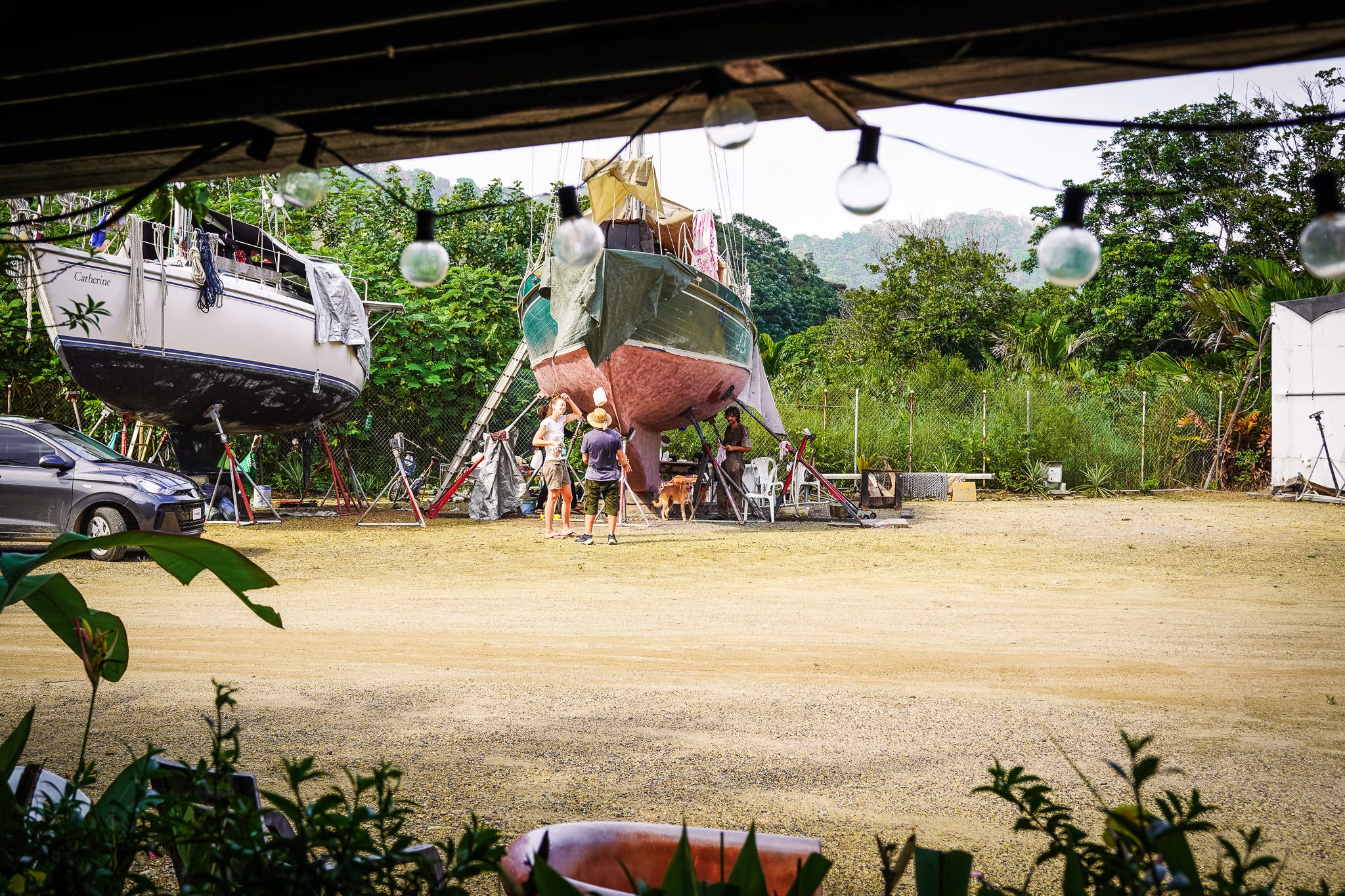
Right now, I’m in Panama doing a full overhaul of my inboard engine. I’ve pulled 150kg of steel out of the boat, put it on land, pulled it apart, and then pieced it together again in the same order (I hope).
If I need help, the Uruguayan mechanic that everyone around here treats as God is just around the corner, except when he gets caught up in some administrative rut—then he can disappear for weeks on end, and you're left to your own devices.
I had been looking forward to this—getting to know my engine inside out.
After battling freak “culo de pollo” (literally ‘chicken’s asshole’) storms that form out of nowhere, are impossible to predict, and come with a force capable of sinking your ship, with an engine that switches itself on and off at its own volition, I was ready to graduate as a marine mechanic.
And finally, I have.
Well. Let’s not celebrate prematurely. The engine is reinstalled, but the last few spare parts haven’t arrived yet, and my new crew arrives in one week for a wilderness adventure. But I’ve gotten used to this rhythm, and I LOVE it.
Life outside the system
Stepping outside the world of stable employment has brought me freedom unlike anything I’ve experienced, but it also comes with its own set of challenges.
A year ago, after one year of burning emergency funds and trusting the universe, I faced the biggest challenge of this journey so far: a ship in shambles after five months in the Guatemalan jungle.
Falkor was literally unsailable, and my main source of income—sailing—was out of commission. I was crippled by anxiety like I hadn’t in a long time. Was this what my magic pill against burnout looked like? I didn’t feel better; I felt worse!
However, as almost anyone who’s taken a U-turn in life will tell you, it gets worse before it gets better. But it does get better. It really does.
Year two on the waters
My second year of long-distance cruising has, ironically, entailed very little long-distance cruising. Instead, after a year marked by panic attacks and chronic survival mode, I decided to take things slow. Very slow.
In fact, I’ve taken things so slow that I’ve spent half my time back home, in Europe, licking my wounds, bingeing Netflix, discussing university politics with old colleagues, and cuddling up with family and friends. With zero guilt and no regrets whatsoever.
And it's taught me something important: when reinventing your life at forty, you're allowed to pace yourself. You are allowed to hit the pause button, revisit your old life, and step back into the comfort zone.
The better it gets, the better it gets
Revisiting my old life has been wonderful. But it's also taught me something: I don't regret my decision.
Is it always easy to live the way I do? No. Are the rewards worth the effort? Yes. Does it get easier when you take it slow? Hell yes!
I’m off the meds—the antidepressants, sleeping aids, and benzos. I love my life, even if it’s full of challenges. And I feel at home. Not in a place, in my own skin.
I don't know whether you read these letters to dream yourself away, to gather the courage to make changes in your own life, or simply to find some comfort in the challenges of living authentically. But I’ll end with a phrase that I heard around the time that I started this journey, and that I’ve been returning to lately:
The better it gets, the better it gets.