


On his fourth journey to the Americas, Christopher Columbus spent weeks battling harsh conditions in the areas that lie between the Bay Islands of Honduras and the Cape on the Nicaraguan border.
Easterly trade winds, complex currents, and treacherous reefs make this an extremely challenging stretch for sailors wanting to get from Guatemala to the Caribbean (like us). When Columbus and his crew finally rounded the Cape, they gave it the fitting name Cabo Gracias a Dios—Cape Thank God.
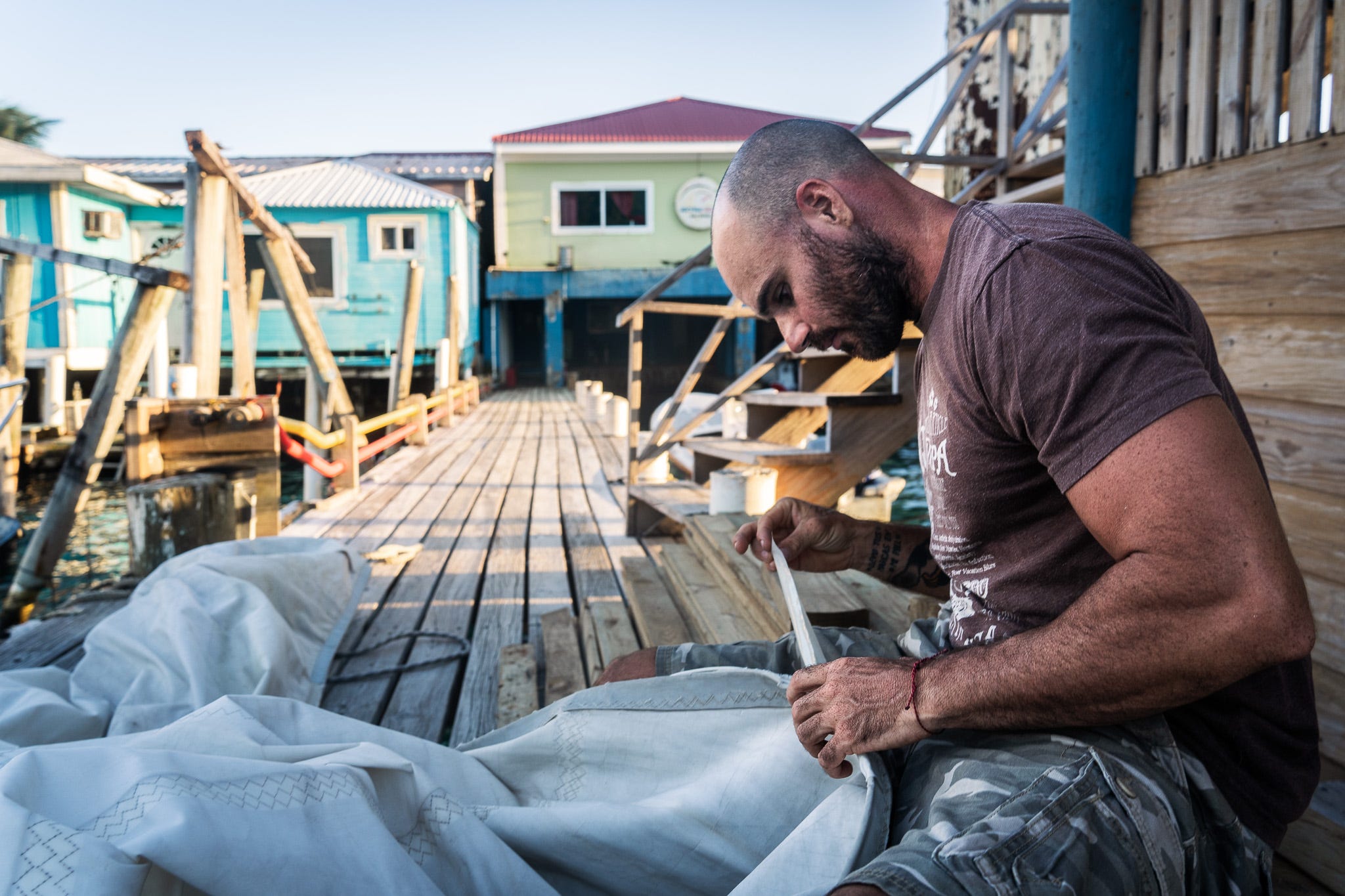
We would probably have named it something similar, for in the weeks leading up to our passage through Nicaraguan waters, we have battled storms, engine problems, torn sails, exposed anchorages, as well as real and metaphorical pirates.
Or so we believe.
But first things first: since my new crew boarded Falkor in Guatemala’s Rio Dulce, it has been impossible to ignore certain world events that keep us on our toes. At one point, someone on board suggested that the motto for the next leg of Falkor’s journey should be “sailing for peace”—in a nod to the monks who are currently walking across the US.
But this reframe of our mission sparked dilemmas—cause what exactly would sailing for peace entail?
On one level, it seems so abstract that it loses meaning. Peace can be a lot of things, and from the comfort of a home, sailing might certainly seem like a peaceful activity, but from the anchorage where we are currently riding out a storm, it feels like anything but.
However. An important purpose of this journey has always been to emphasise the value and strength of human connection.
To show that, despite cultural differences, we live in a shared world, and that the things that bring us together can be stronger than those that set us apart.
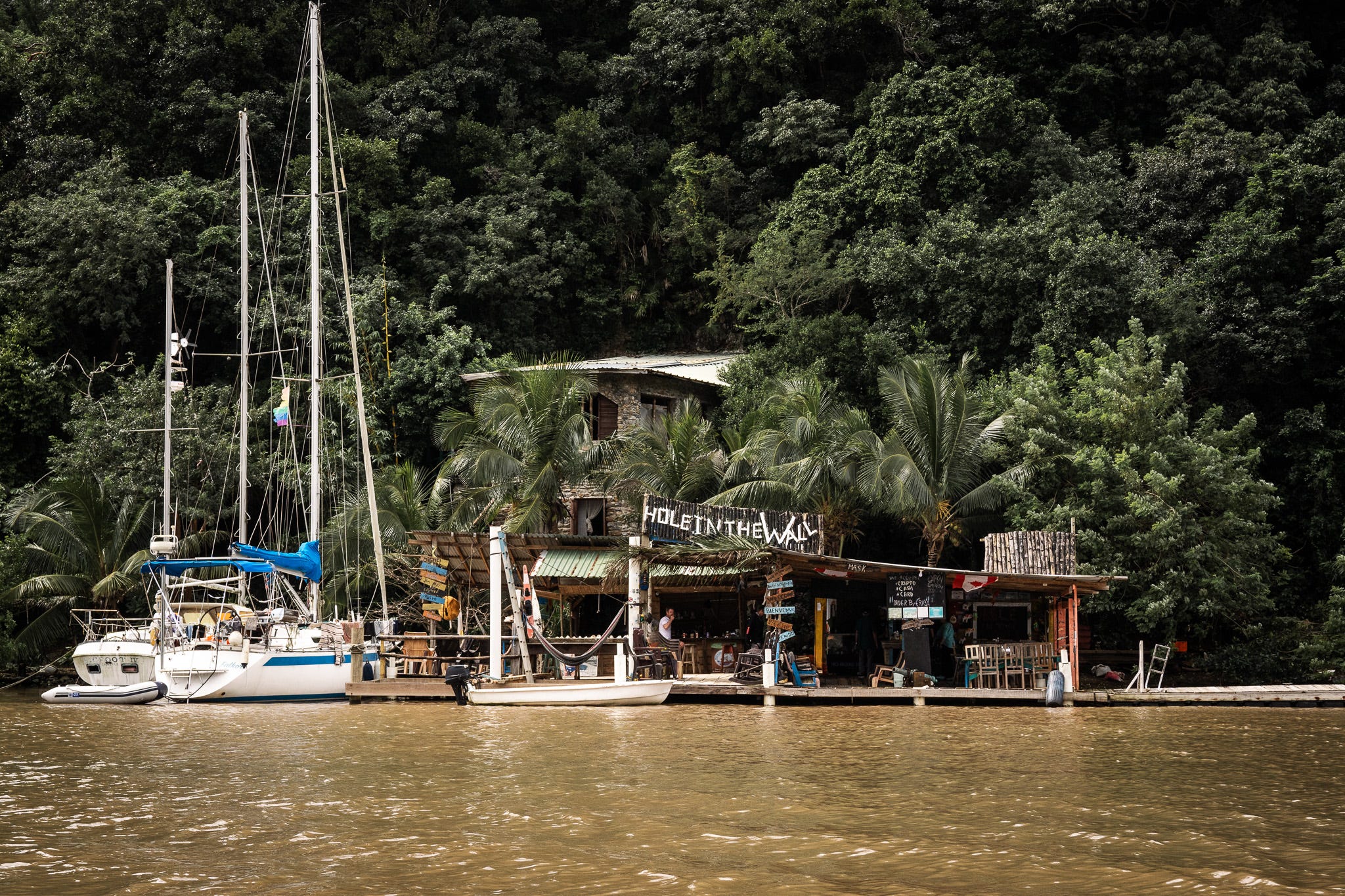
And perhaps this was the lesson of our passage through Roatan, the largest one of Honduras’ Bay Islands, where serendipity had us arrive at Erica’s pirate’s den, Hole in the Wall, at the very moment that our anchor windlass and engine broke down.
We realized that our anchor was busted when Erica and her nephew waved us into the dock of the rickety floating pub, and we ended up staying for a full five days, while additional breakdowns kept us landlocked.
The vibe of Hole in the Wall was washed away sailor living the free life at sea, and Erica, originally a mainland Hondureña with an astute business sense and declared love for Donald Trump, ran the pub tight as a ship.
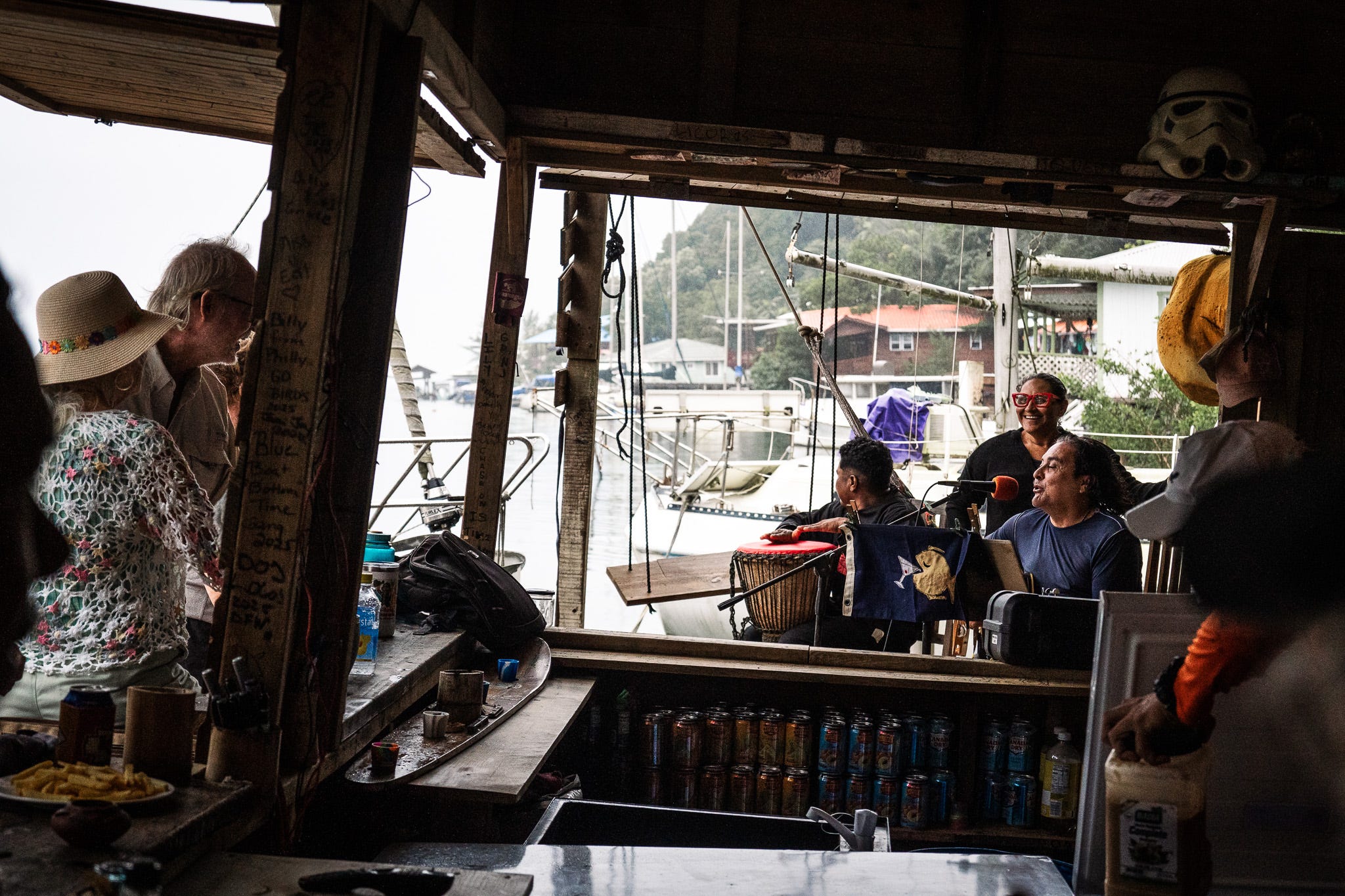
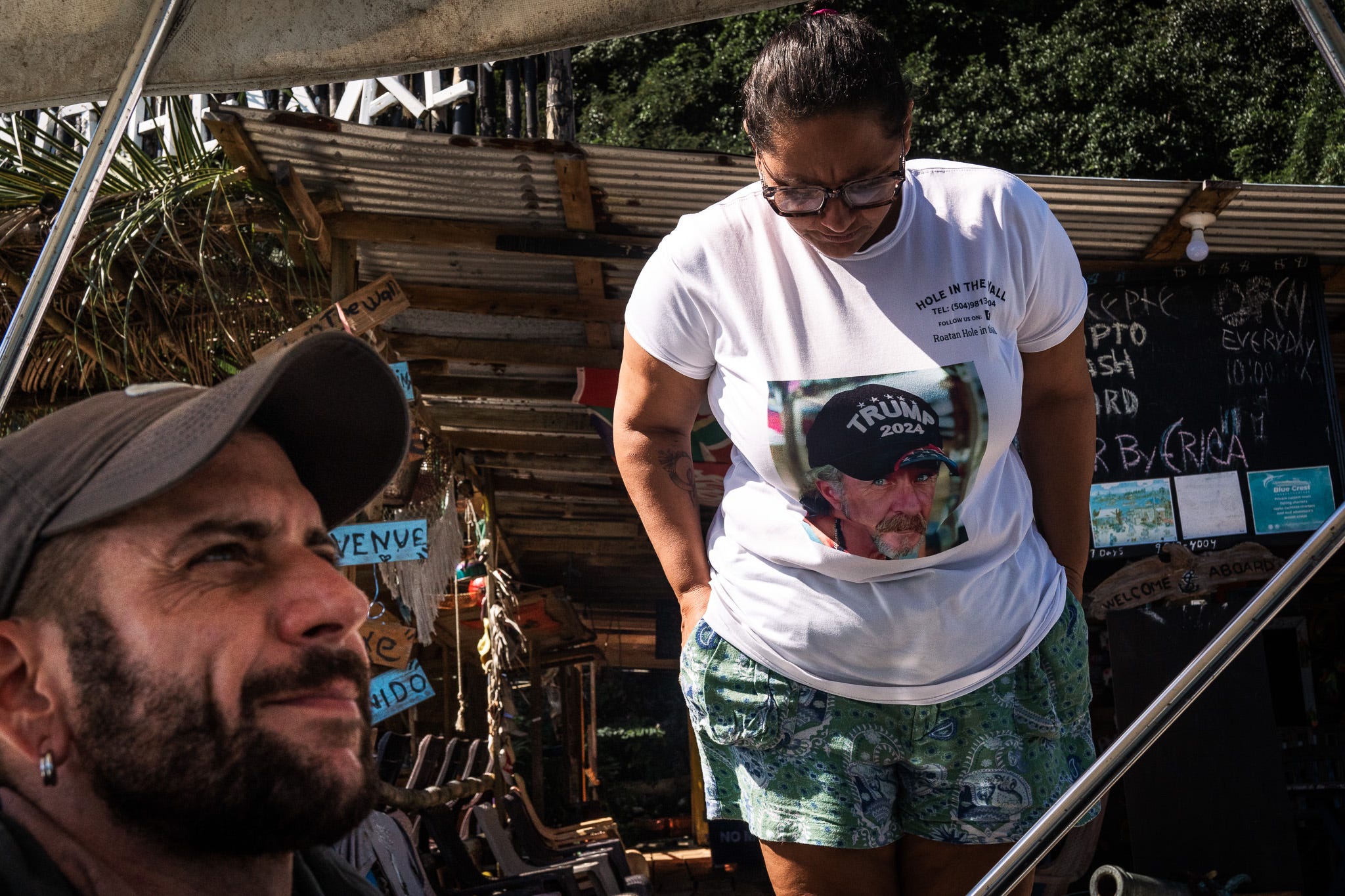
The experience was perplexing: as protestors clashed with the ICE in the streets of Minneapolis, we enjoyed a loving cultural encounter with a Honduran MAGA.
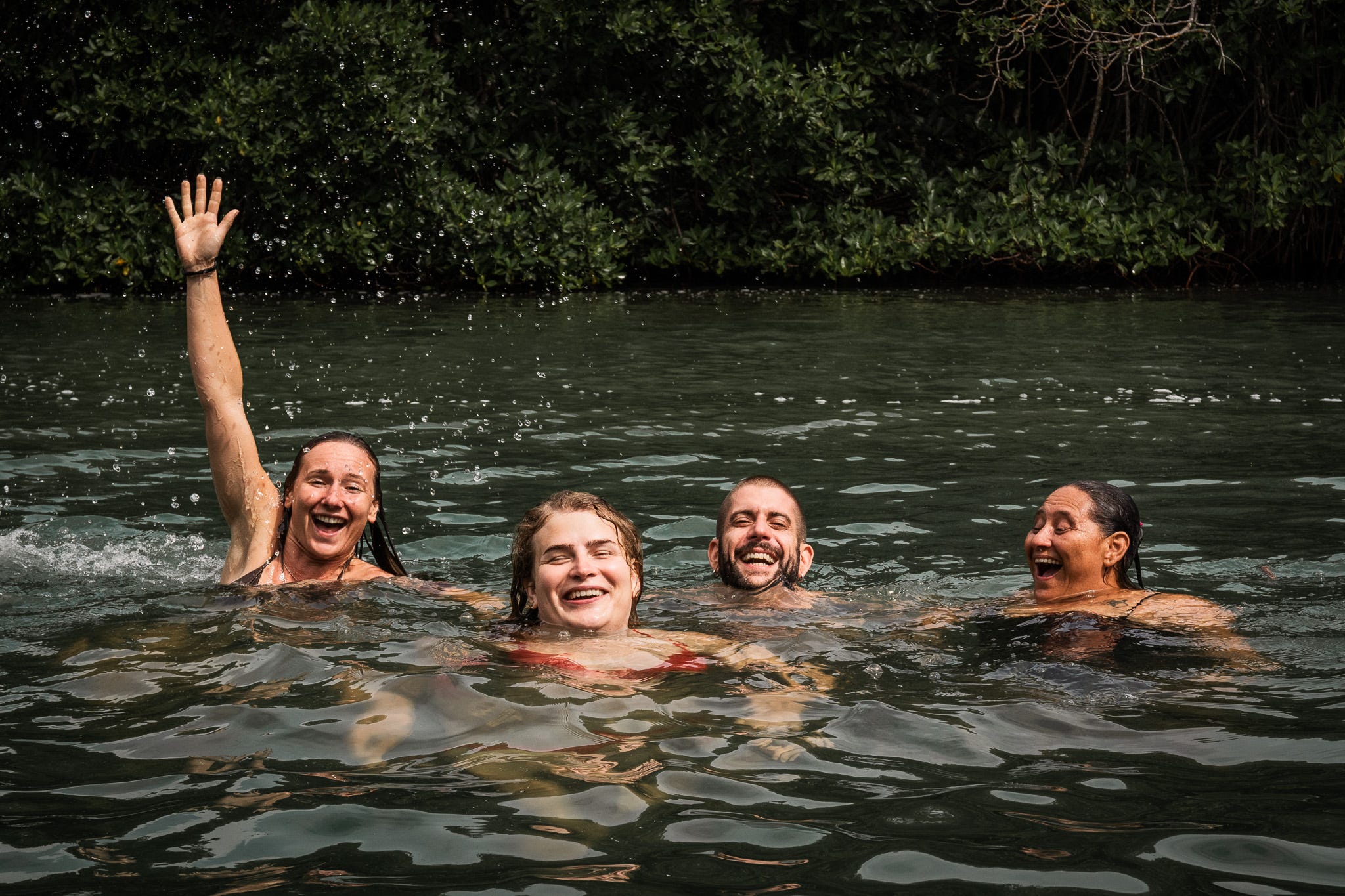
Erica must have been equally befuddled by the friendship that grew between her and our queer crew of gays, trans, and straight, even as our political opinions were openly declared. How refreshing and necessary it felt to see past our differences and go for a swim in the mangrove forests of Jonesville together.
A few days later, we were the ones with a penchant for violence, when we decided to arm ourselves to our teeth—with a machete, speargun, and Molotov cocktails in case the pirates that have reportedly robbed sailors along the Nicaraguan coast should pay us a visit.
We also brought bribes: a bottle of rum, US dollar bills, and some old and useless electronics. But it just didn’t seem enough.
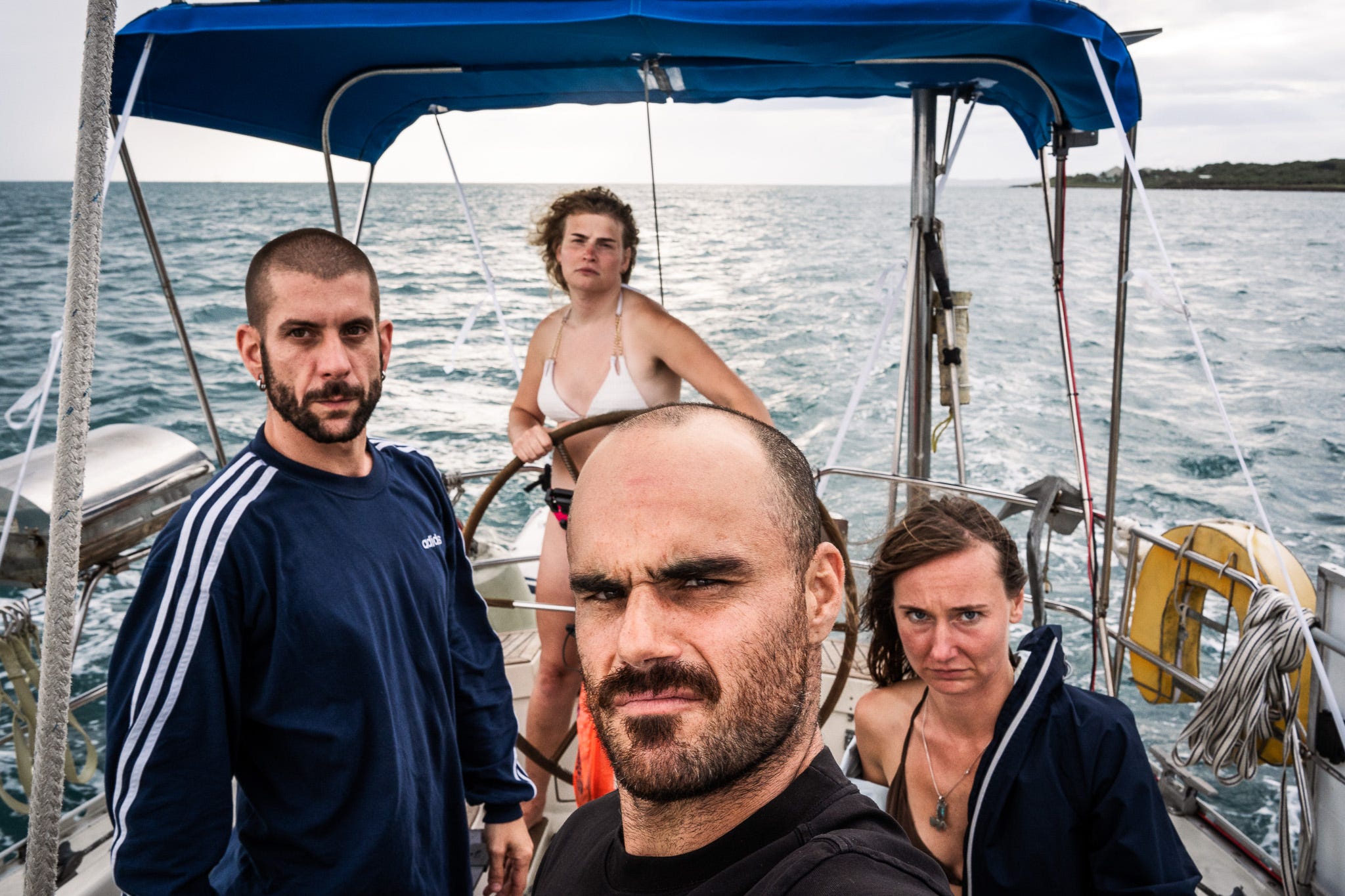
“Fill a couple of glass bottles with gasoline, throw them at the pirate’s boat, and threaten to shoot an emergency flare at them, and you will see how quickly they’ll scatter,” an experienced sailor had advised before we left Honduras.
I didn’t want to get boarded by pirates in the middle of the ocean, and when an odd-looking ship started following our tracks, I waved my machete and had the crew prepare the Molotovs.
Turns out, it was just a shrimp fisher, or so we were later told.
Sailing for peace indeed.
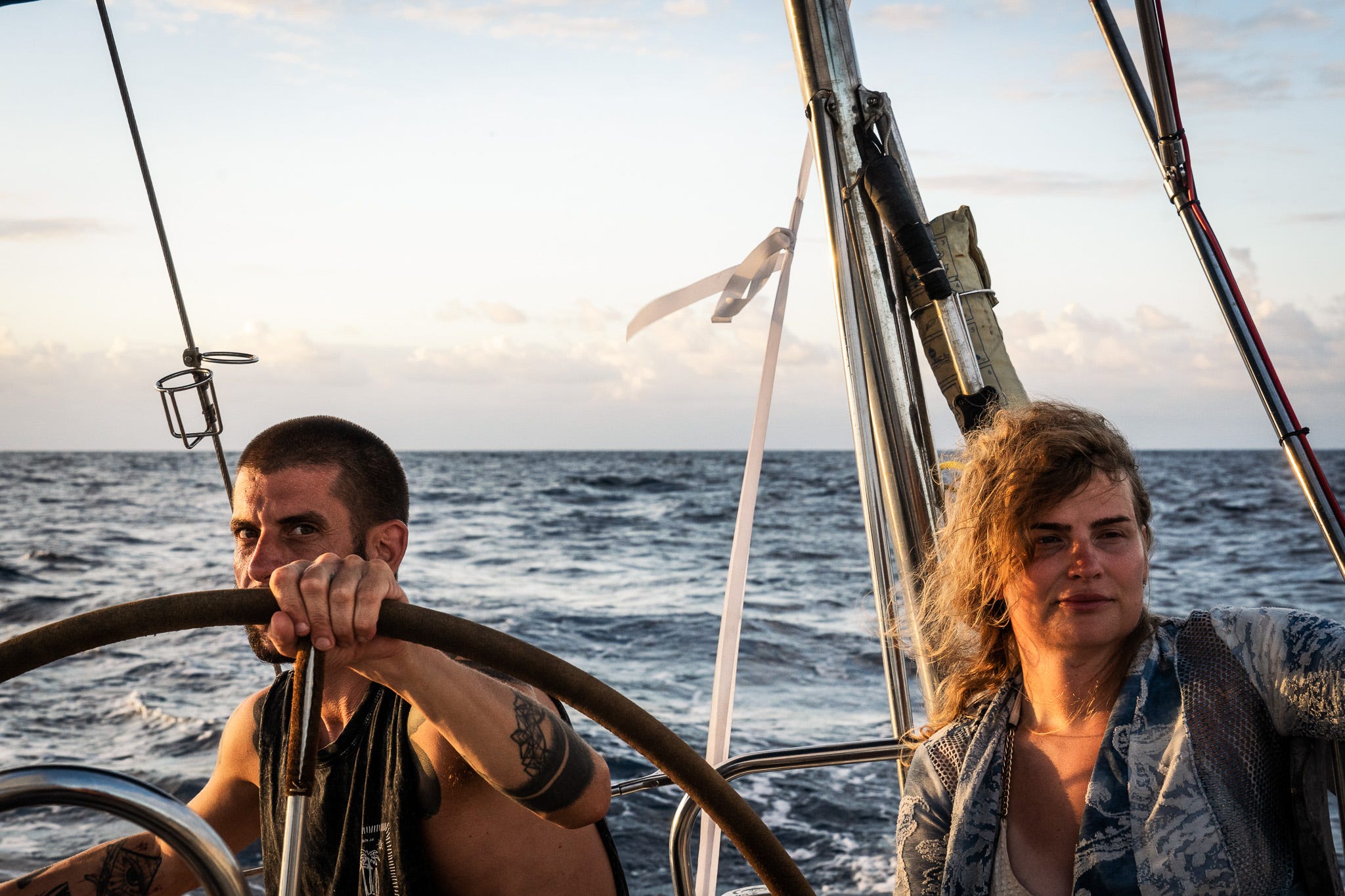
On board Falkor, there were also moments of tension, raised voices, and boundary crossing. Disagreements tend to become more effusive when we are tired, living on top of each other, and facing challenges, fears, and reality-checks.
But living together on a tiny ass boat can also be sobering when you acknowledge that conflict corrodes the atmosphere for all.
And maybe that's why the saying “we are all in the same boat” is so dang efficient in conveying the need to reach some sort of truce, if not an agreement, with pirates and MAGAs alike.
Especially when there is no plank to walk.

I'm reminded of Brandon Bays saying:
"How can you pray for peace when you're at war with yourself?"