

This might sound counterintuitive to many, but when I set out from Barcelona to sail across the Atlantic a year and a half ago, I was searching for a way out of loneliness. I did not expect that this journey to the other end of the world would end up bringing me closer to my family at home.
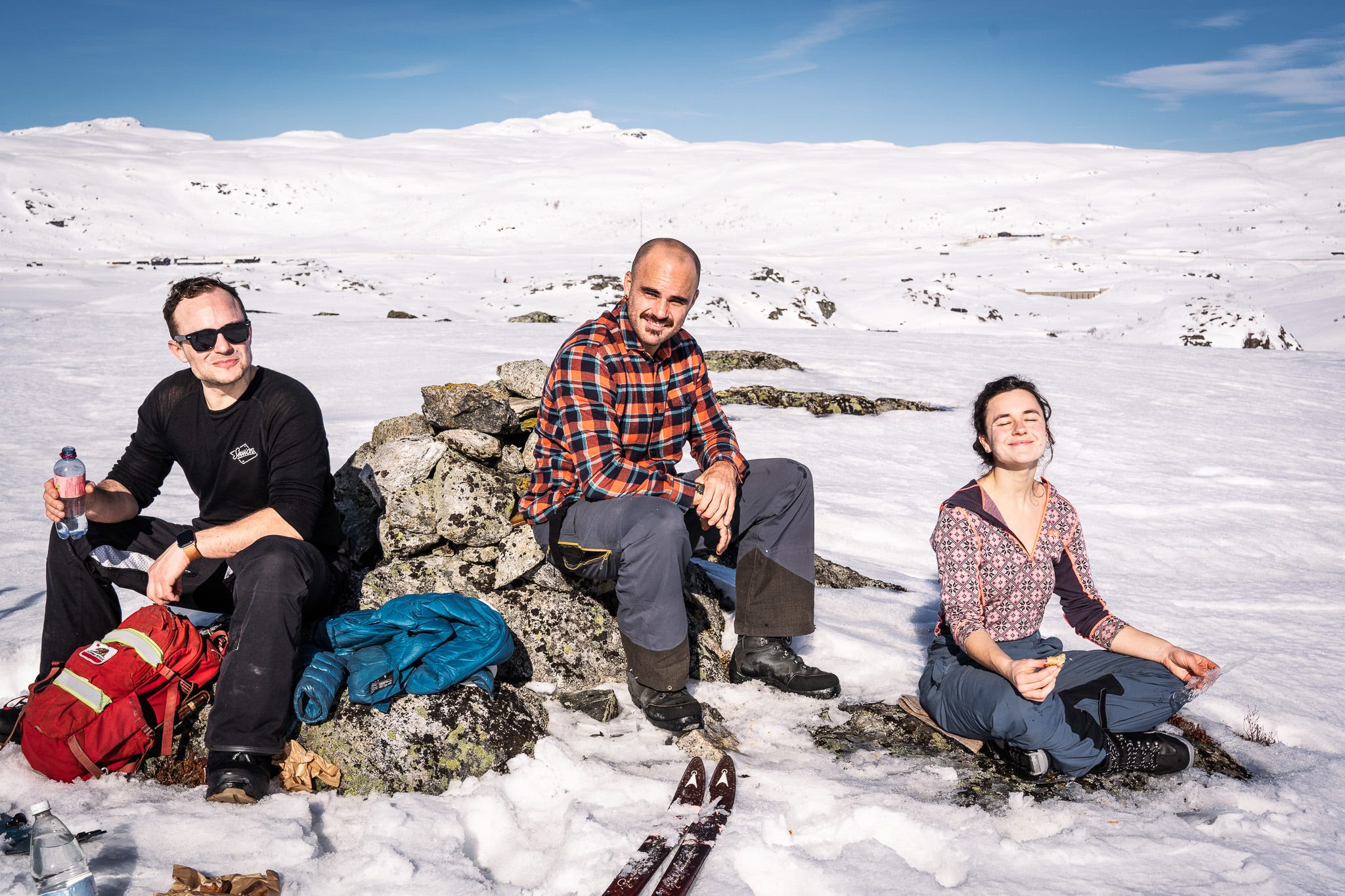
I like to think of a family—your birth family or chosen one—as a group of souls who have decided to help each other evolve. Sometimes through friction, sometimes through support. Sometimes, it seems like we return to our families only to regress to our 15-year-old selves; sometimes, we return to notice just how much we all have grown.
Luckily, perhaps, the latter was the case when I reunited with the fam for the first time in a year.
Landing in the cold, windswept coast of western Norway after finding myself walking barefoot through Central America showed me what my family has meant. And it made me question some of the assumptions I have carried about my homeland.
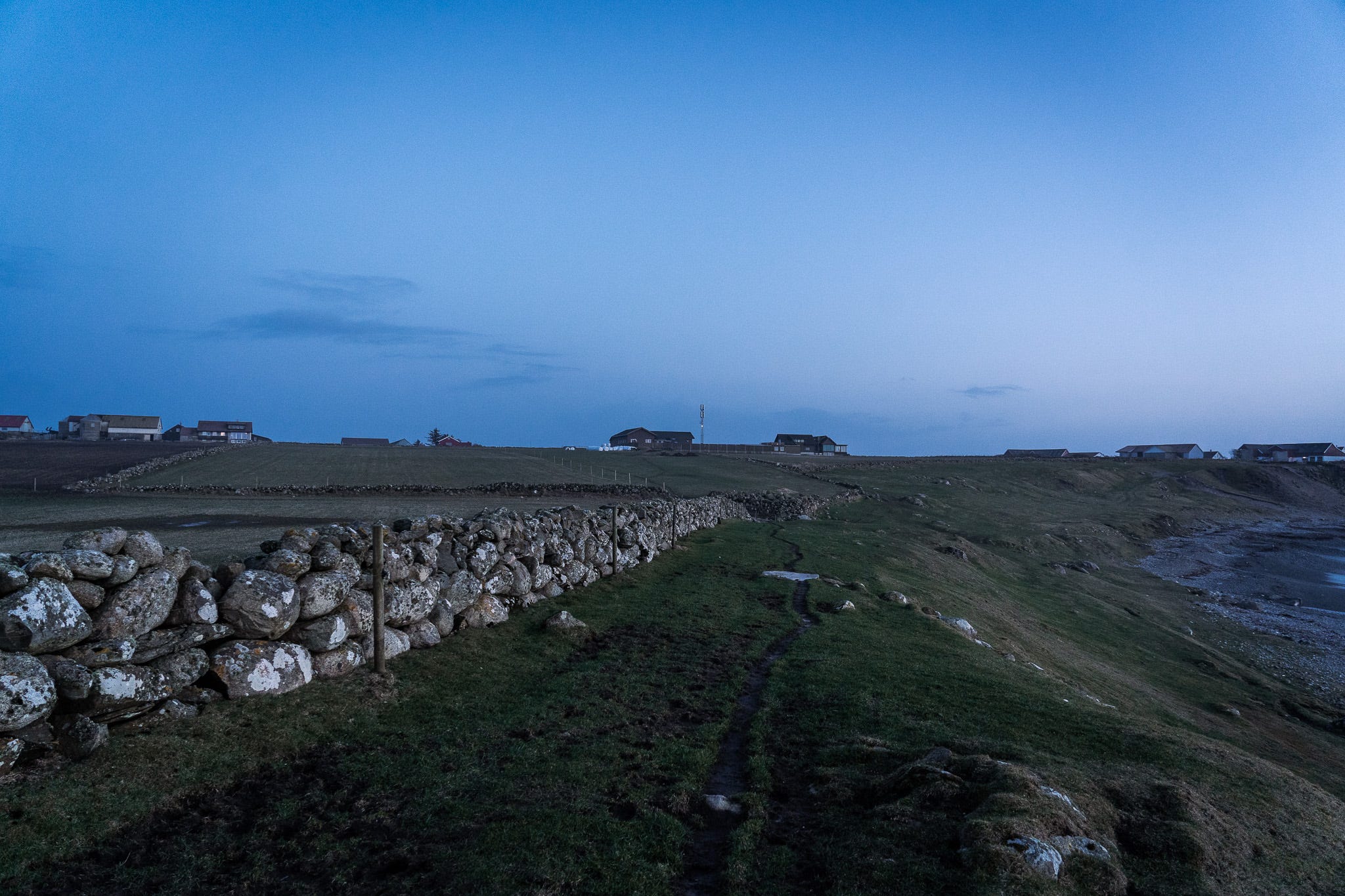
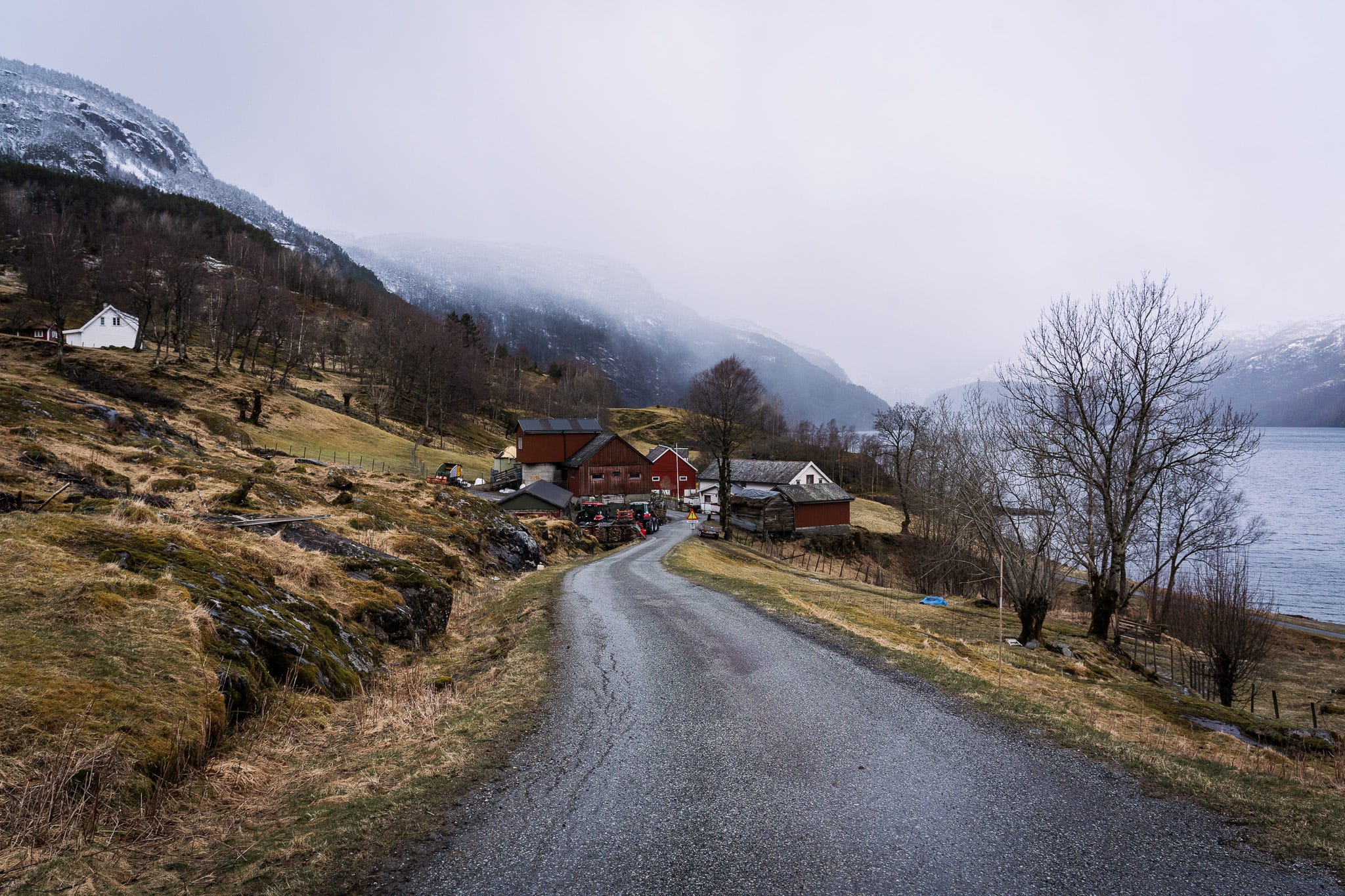
Norway is a society shaped by the egalitarian relations of rural communities.
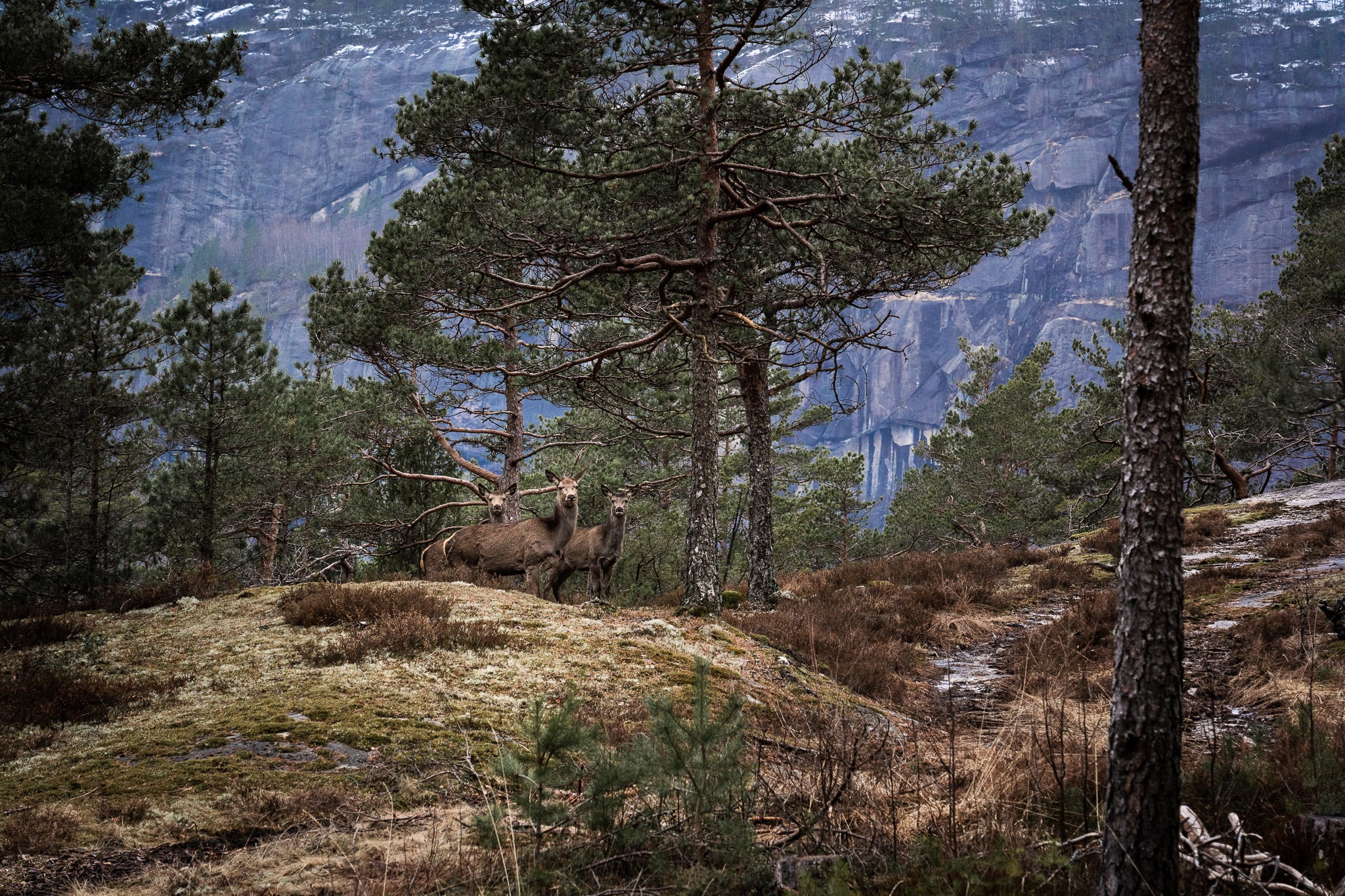
Coming home to the cold shores where I learned to sail allowed me to reflect on how the open farmlands battered by the North Sea, the steep fjords and snow-covered mountains that rise behind them, and the introverted and well-mannered people who live here have shaped my family and me.
Norwegian Utopia
Growing up, I thought of Norway as the epitome of the modern world: a model society where people are equal, solidarity is institutionalised, and common folks have a real say in how their society is governed.
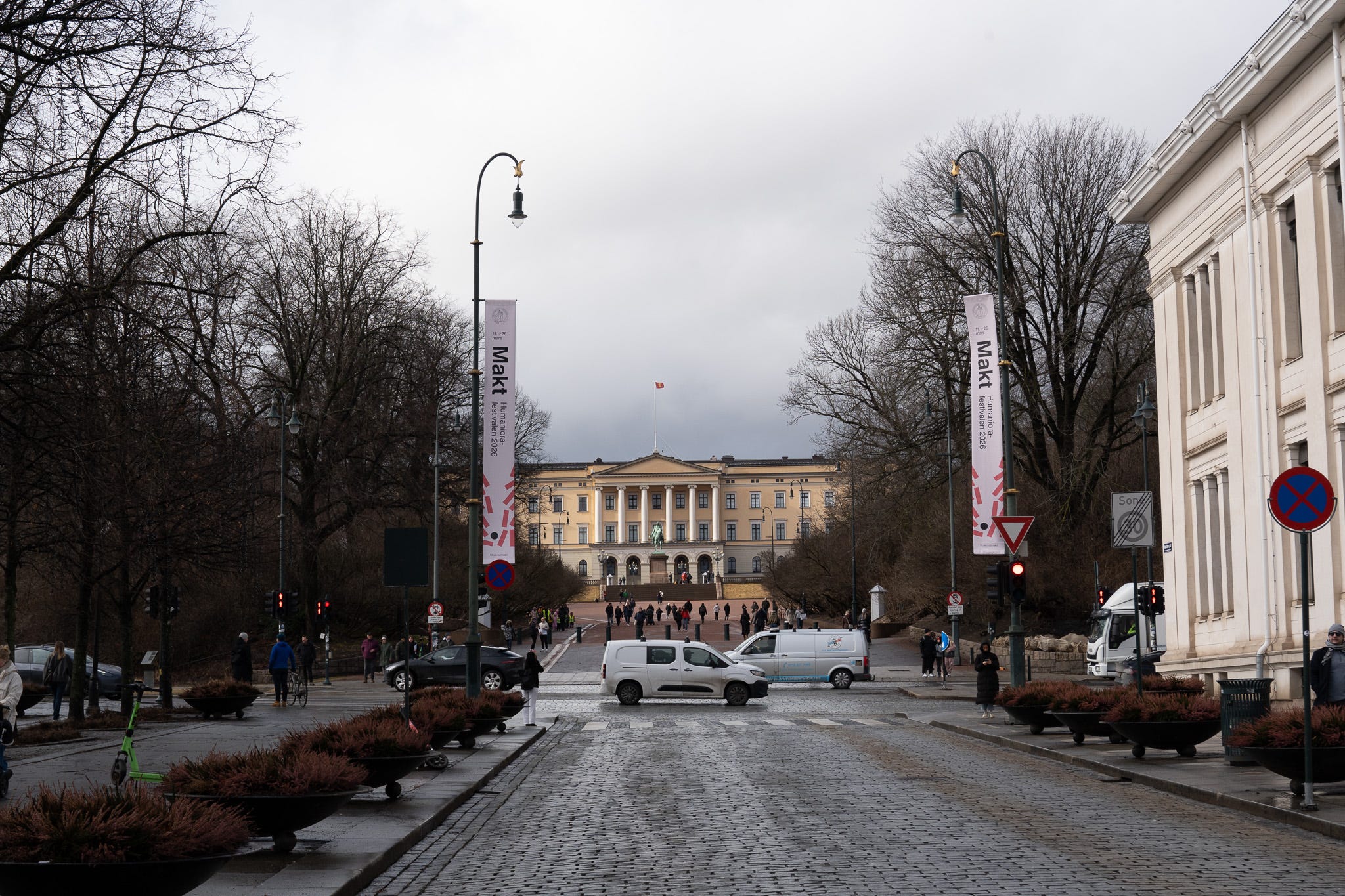
But during my short family visit last month, something had changed. Perhaps it was the time spent away from home that taught me to see what I'd taken for granted.
Travelling has made me reflect on how family, in societies where the state is there for you when things get hard, is often reduced to a project of self-realisation: something to get or have but not to rely on.
We moderns mostly agree that independence is something to strive for, but what happens when a society becomes so fixated on every man being an island that we forget how to show up for each other? What do we lose when family is reduced to its ceremonial function? To a set of background actors in our holiday pictures?
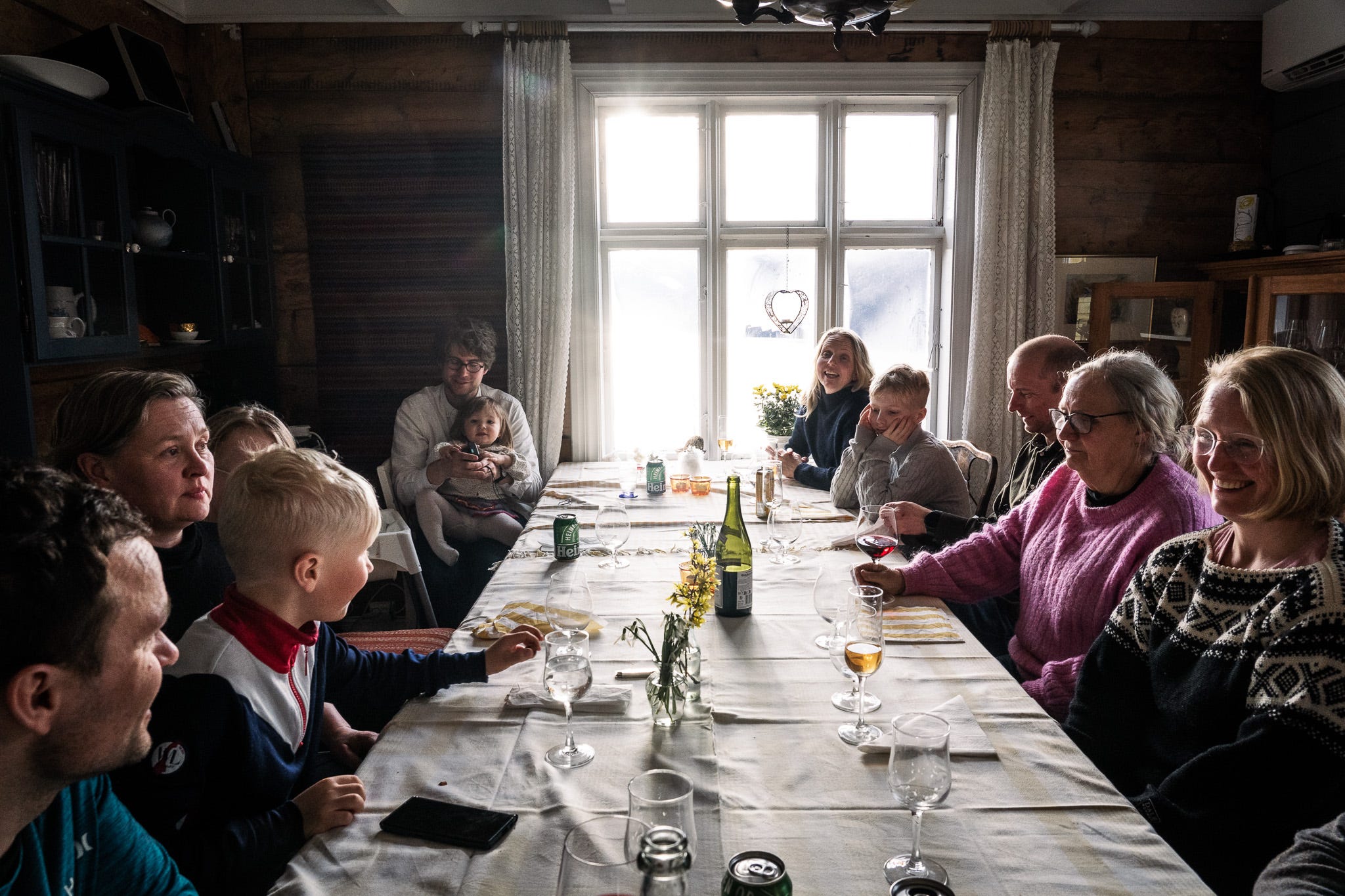
My modern family
In my family, we have often pushed each other to grow through friction. It has often felt challenging and lacked the feel-good component that you might wish for.
Usually, the friction is expressed in those small details charged with meaning.
You know exactly what I’m talking about: your brother scowled at you when you asked them to pass you a loaf at the table, or your dad made a comment about a recent global event that didn’t land well. And the truce is broken.
This time, it was about access to the car, but not really.
Really, it was about being seen—about having different needs acknowledged, about being allowed to take up space, about feeling supported. The car was just a placeholder for pent-up emotions, released in the form of a verbal duel of “you did this” and “you did that’s.” Sound familiar?
Once the dust had settled, we did something that we hadn’t done before. We had what I can best describe (in contemporary healing lingo) as an “integration circle.”
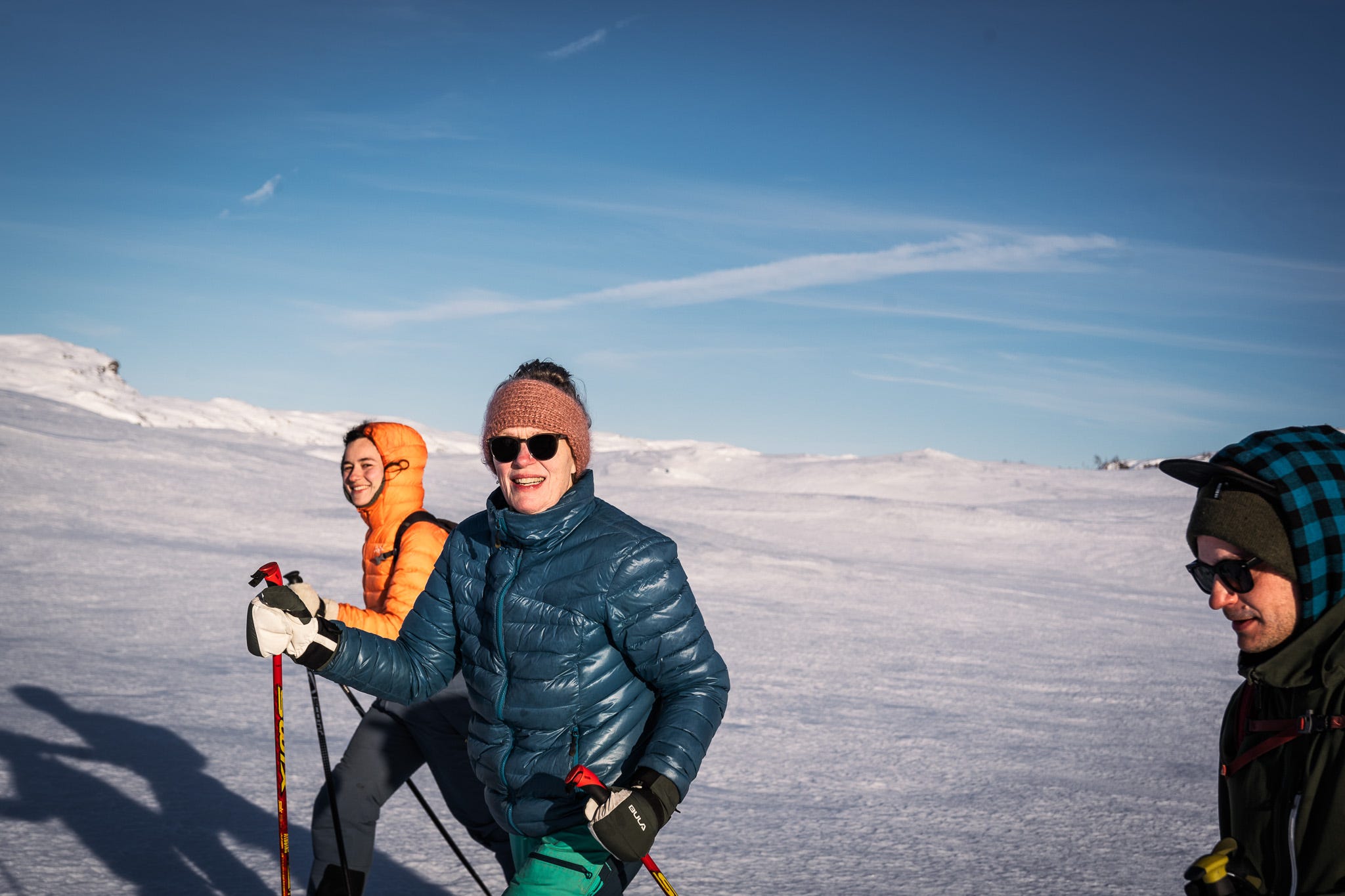
“Maybe our ‘thing’ as a family is that we never give up,” my mum commented.
Maybe my mum is right. There’s value in trying with intent, at the risk of getting stuck in old patterns that hurt. This journey back home, however, showed me that while we might still trip over the same stone, we have also grown.
In the past, we might all have fended for ourselves and expected the rest to do the same. Or perhaps, we have been so busy with our own struggles that we have failed to see the things that are going on in the lives of the rest of the lot.
But over the last year, our family has come together in a way that feels meaningful and new. We have supported each other in the face of adversity, and for the first time in a long time, we have felt like a team.
Old patterns are hard to shake off, but lo and behold, something has softened.
Collective individualism
During a moment of quiet reflection in the icy sea breeze near my brother’s home, I reasoned that some of the friction must come from the mixing of two worlds: of Latin American passion with Northern European pragmatism.
And I remembered something I learned as a student of anthropology: that Norwegian society is structured around something called collective individualism. With a strong state bureaucracy that fulfills many family functions, Norwegians rely less on each other for safety.
Bluntly put (and I might get some pushback here), if you’re broke and lonely in Norway, you don’t go to your family for support—you go to the doctor for antidepressants and social services for financial assistance.
This system, which Europeans refer to as the welfare state, is often seen as a utopic ideal that all modern societies should strive for. And don’t get me wrong, I do not envy the people who live in societies where a hospital stay is cause for bankruptcy.
But it has also made family optional. It has reduced family from necessity to preference and outsourced care to institutions.
It has made us lonelier.
Relying on each other
The biggest lesson from my trip back home was this: no amount of bureaucracy, welfare solutions, or policy interventions can replace the bonds with family members who, for better or worse, are here to help us grow.
We might not have figured it all out, my family and I. But for the first time in a long time, we're trying together. Maybe that's what solidarity actually looks like—not a policy, not a principle.
Just this: not giving up.
Thank you Tomas : )
I would say you're spot-on with "I like to think of a family as a group of souls who have decided to help each other evolve". When we quietly look using our hearts at each soul in our family group we become egently aware of the agreements we have made with each soul in our family; why we chose them, what they teach us, how we nudge each other into uncomfortable places we want to step into.
It's not random.
♡ D