

When I set sail across the Atlantic Ocean, I imagined the Caribbean as a natural paradise full of postcard beaches where Falkor, my 34-foot sailboat, would sway under the sun.
Instead, I’ve encountered challenging weather, polluted coves, and enormous hotels on what was once pristine shores. That is, until I arrived in San Blas.
A secret paradise
As I was enjoying this morning on anchor, a dolphin swam right past my boat.
The guys on the boat next to ours saw it too, and in less than a minute, we were a small group of sea-hippies paddling towards the patch of water where the silvery smooth tail fin of the dolphin last appeared, on our paddle boards and in our dinghies.
We were too late. The dolphin was already halfway out at sea, so instead the guys boarded Falkor for a morning mate, and then we went spearfishing by the reef.
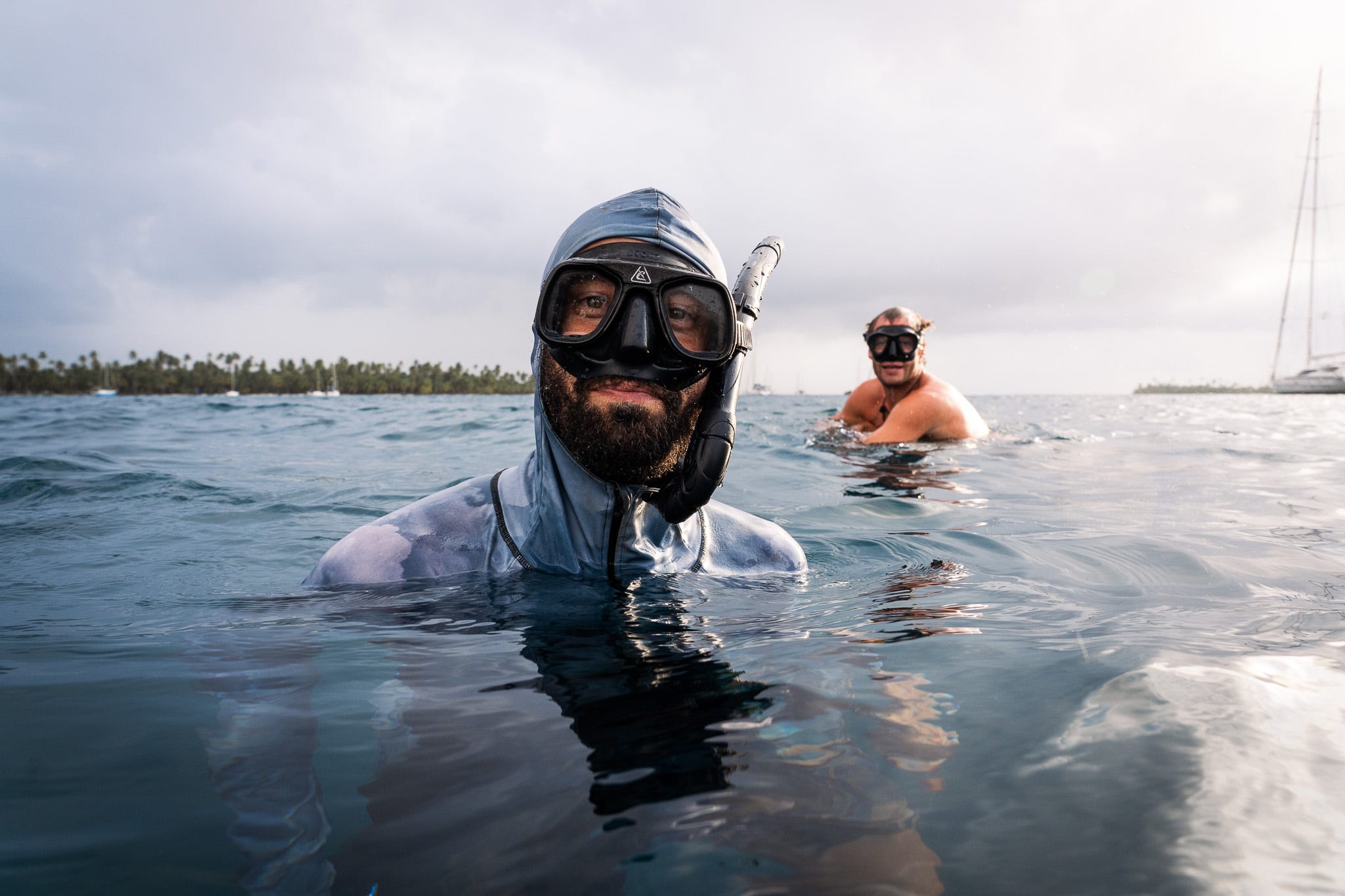
And finally, a year after buying my speargun in Spain, I caught my first prey: a parrot fish with bright colours and sharp teeth. Not a very impressive catch, but just enough to awaken my primal, caveman instincts.
Now I know that if I ever need to, I can survive in the wild—the wet dream of every man transiting his midlife crisis.
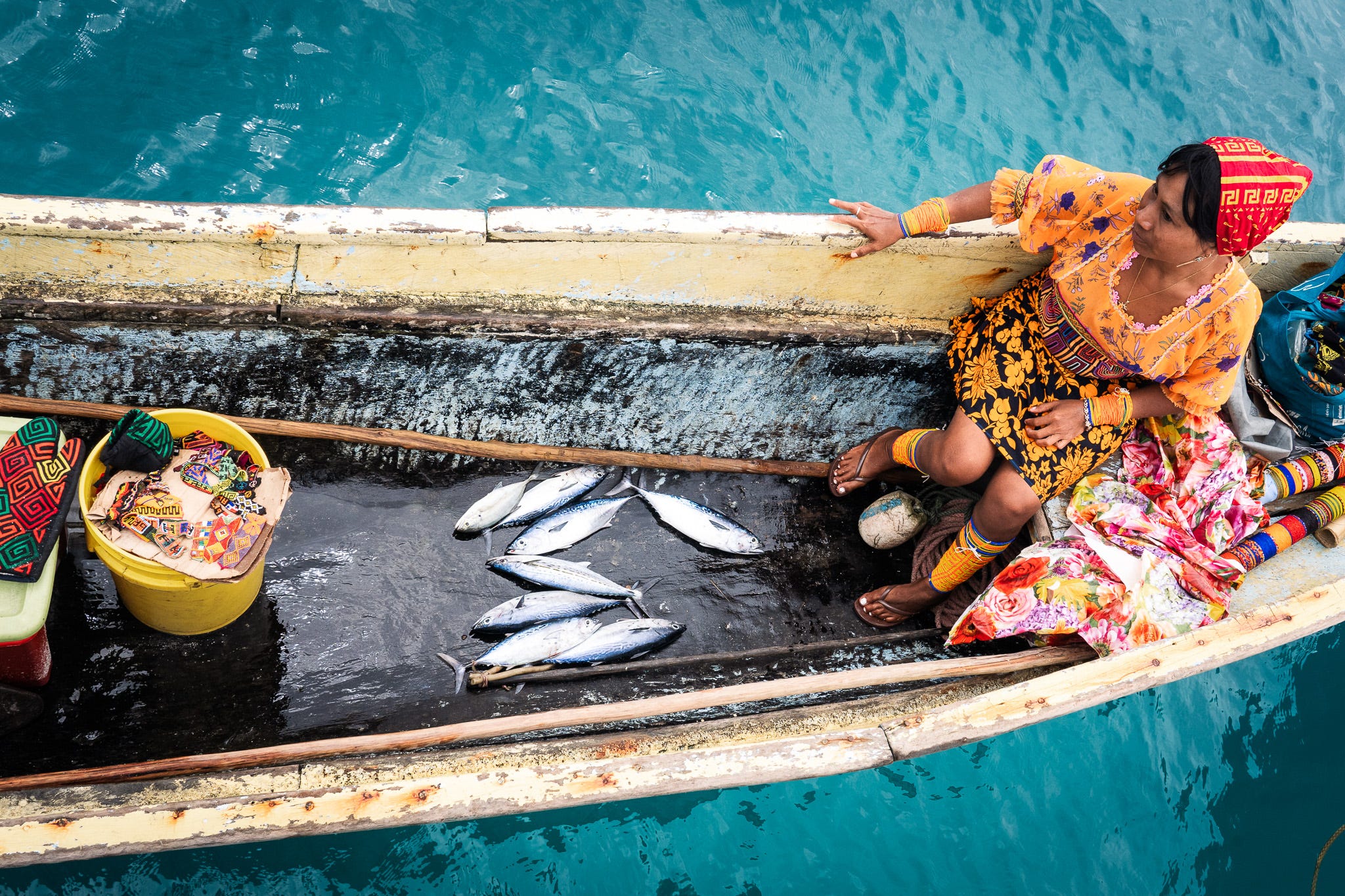
On this particular day, however, I surrendered to my old identity, and bought a freshly caught tuna from the Guna ladies who came to our boat on a cayuco, offering a much more impressive catch as well as their traditional mola tapestry—layered, handwoven textiles that are only produced here.
What if the cliche is true?
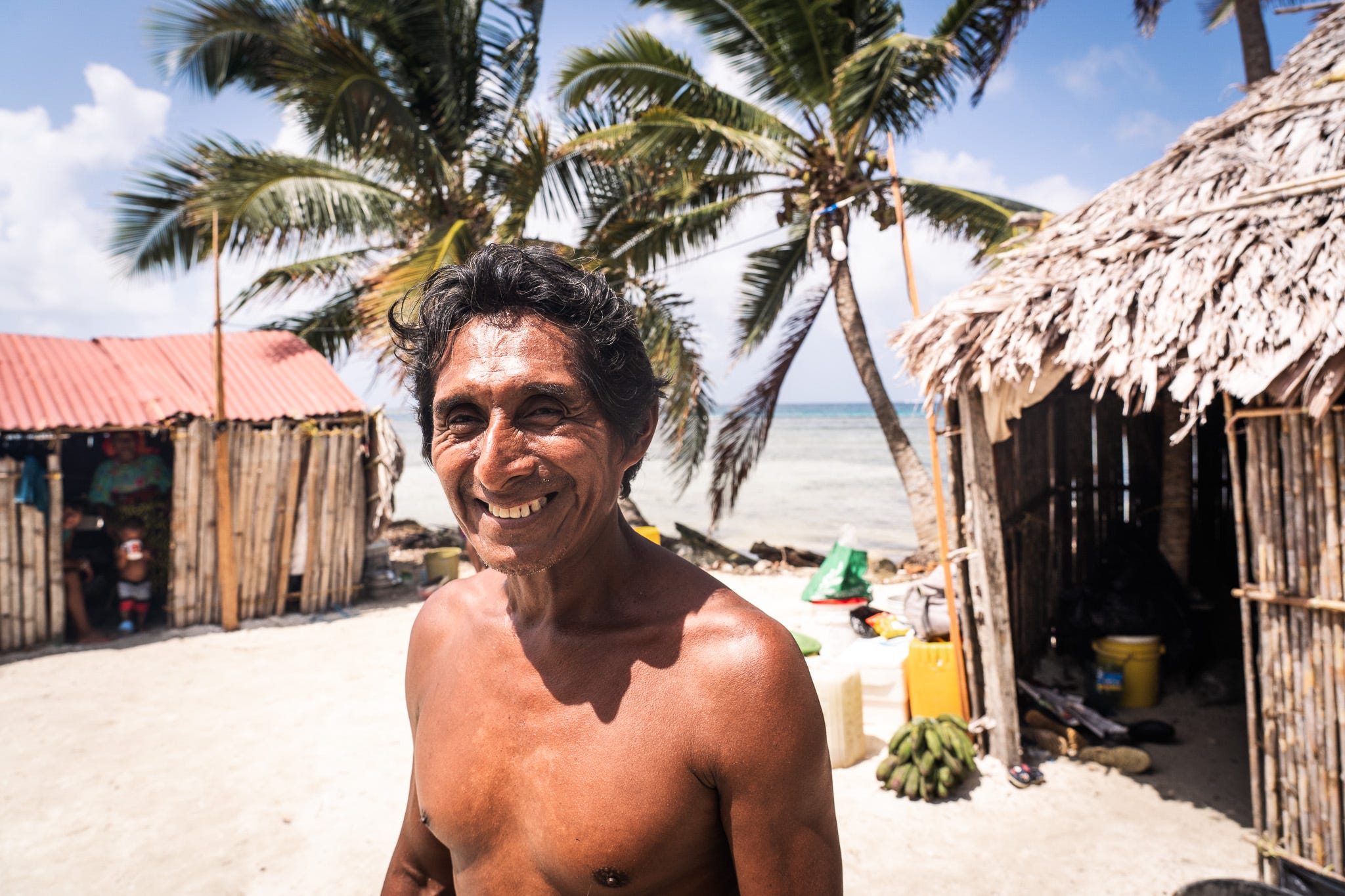
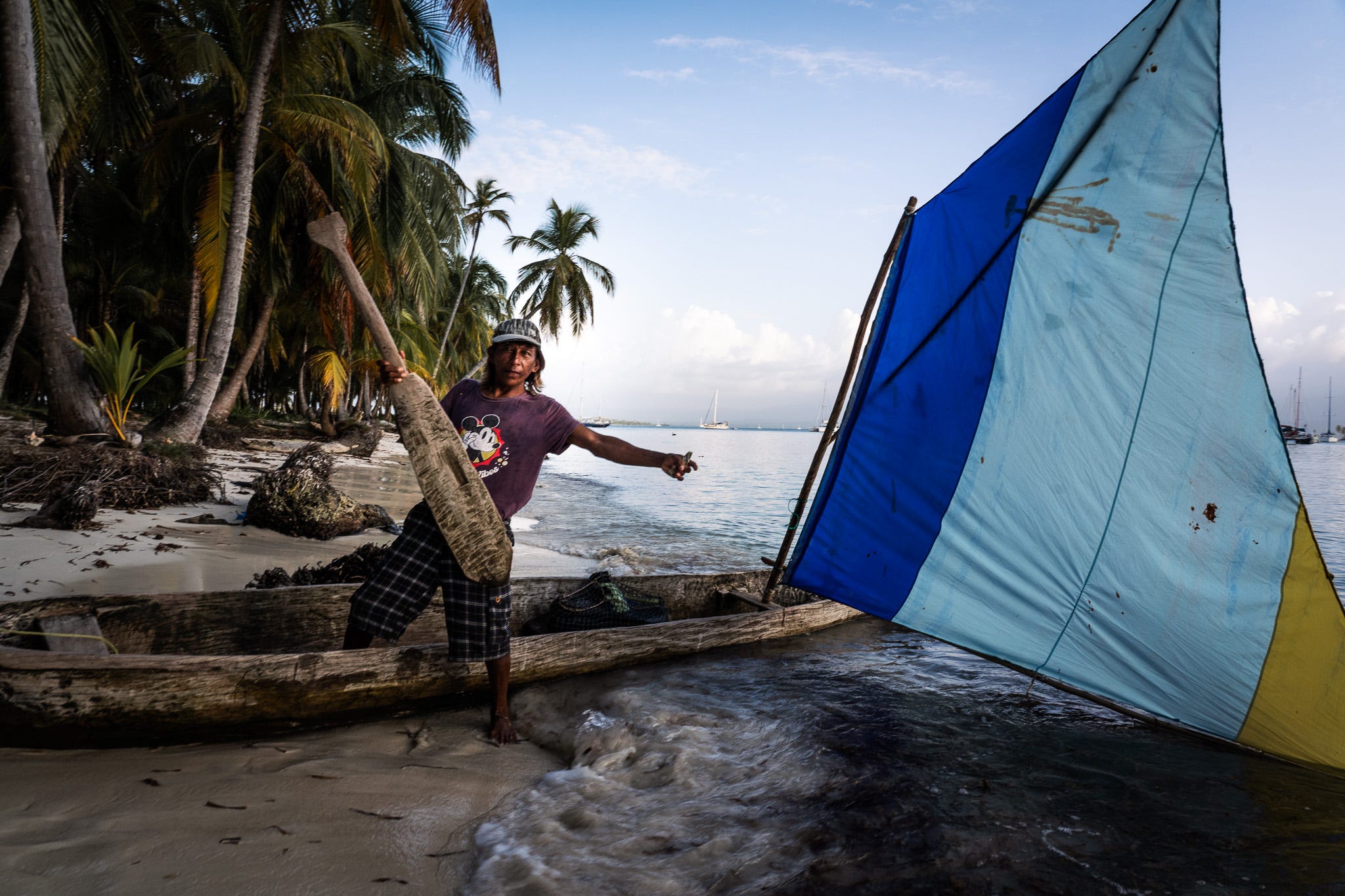
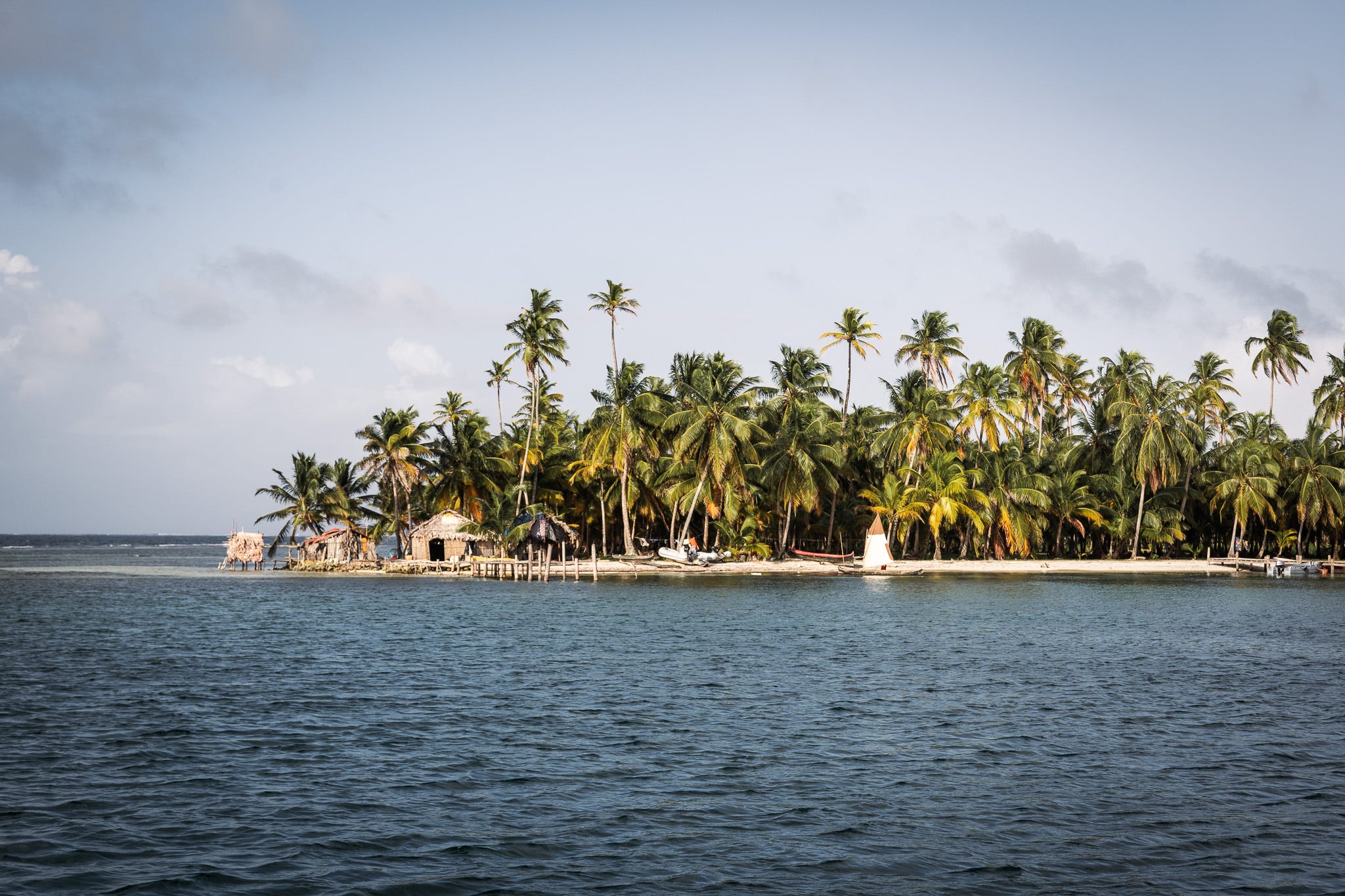
We sailors that cruise these waters might be a bunch of romantics, but where most of us modern folks practice the simple life on occasion, as a feel-good pasttime, the Guna native to the 360-something coral islands that compose the San Blas archipelago, fully embody the cliche of simple living in harmony with nature.
When I spoke with a friend in Barcelona in the afternoon, as I obsessed over our encounters with sailors and Guna alike, he interrupted me. “Let me guess—they live simple lives but are happy nonetheless?” He was being sarcastic.
“Well… yes,” I awkwardly replied. I knew it sounded like a cheesy cliche, but the weeks I’ve spent in this region have reminded me of the value of simplicity.
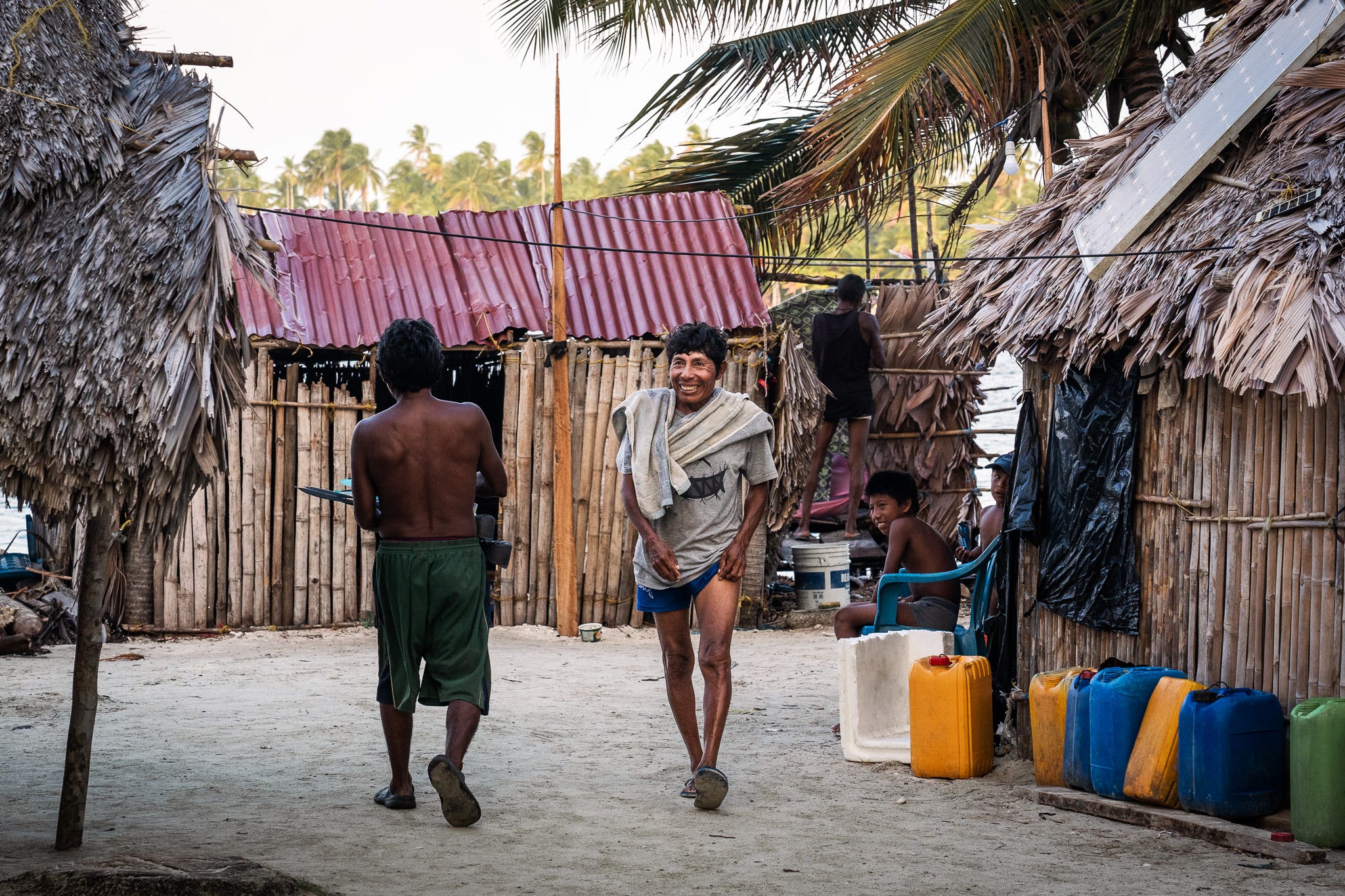
Of course there are problems here too, like everywhere else—cocaine smugglers roam this region, economic opportunites are scarce, and life in a small and remote community means adapting to the challenges of village life.
But also, the people we met seemed content. They had been to the city and lived here by choice, not obligation.
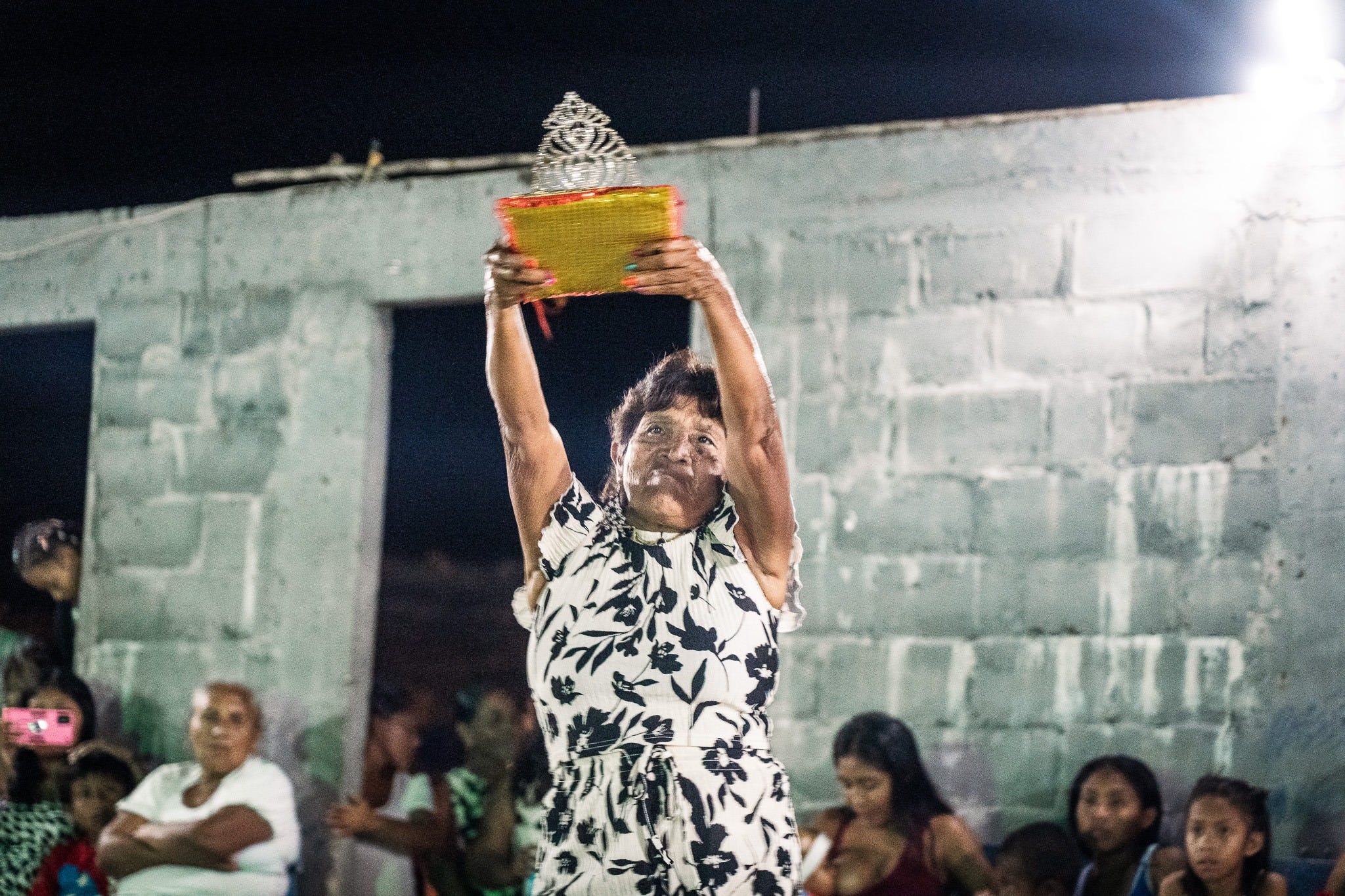
The original affluent society
For Marshall Sahlins, one of the great anthropological minds, hunter-gatherers were “the original affluent society”—financially poor, spiritually rich. Similar to the Epicureans, he argued that affluence is achieved by desiring little, not by having a lot.
When the Spanish conquistadors colonised Colombia, the ancestors of today’s Guna migrated to the Caribbean shores of Panama’s Darien region to evade colonisation. They settled on the islands, as these were practically free of the disease-carrying bugs of the nearby jungle.
Here, they have established a self-governed society where decisions are deliberated collectively through local congresses, open to all community members.
In 1925, the Guna revolution, one of the earliest and most successful Indigenous autonomy movements in Latin America, asserted regional independence from Panama.
To this day, people here live mainly from the resources offered by the land and the ocean—coconut, jams, plantain, lobster, fish, and game. Family homes are built with materials from the forests and with the help of neighbours. It is not a moneyless society, but it has largely remained sheltered from the tentacles of consumer capitalism, and my nervous system feels it.
I am more at peace here than I’ve been in a long time.
Apparently, the Guna feel it too.
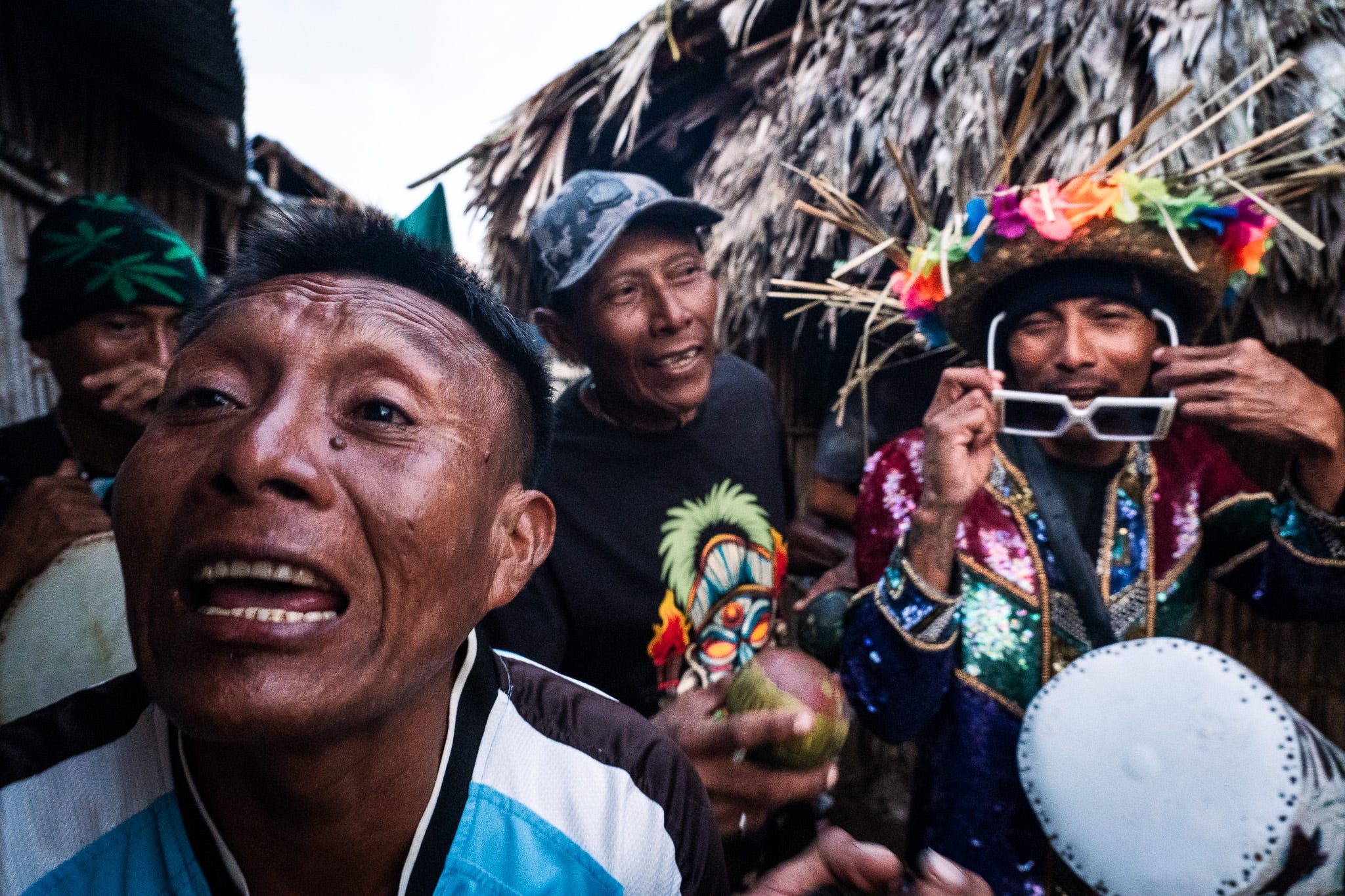
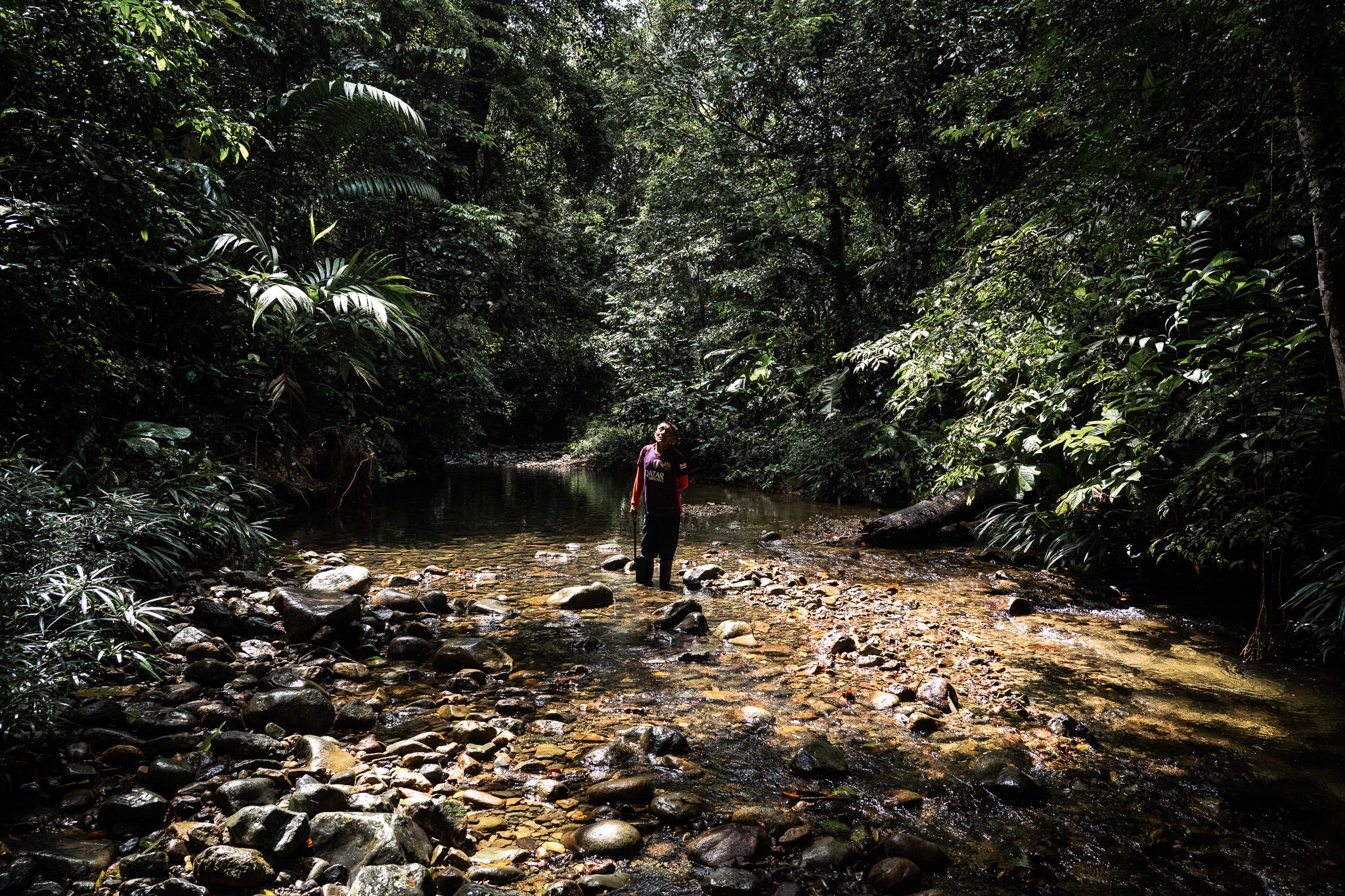
In Rio Azúcar, a small island home to 300 people, we are welcomed by Shell, a lobster fisher and lead singer of the town’s carnival comparsa. After the carnival celebrations have ended, he guides us on a hike through the mainland rainforest.
“If I’m hungry, I just go into the jungle and pick a banana or some jams. The nature here provides everything I need.”
Shell is proud of his homeland and people. “The Guna take care of the trees,” he explains as he walks us through food crops and pristine forest. Many of the plants here have medicinal properties. The river provides the town with clean freshwater, and the caimans that live here have names: “In the hole under that mangrove over there lives Carlos.”
Although the simple Guna homes might register as ramshackle to the eye of a chalk-white westerner like me, programmed to worship the God of comfort and consumption, there’s no trace of precarity or hardship in the way Shell and his neighbours talk about their lives: “I love my land. This is a paradise. I thank the great creator for gifting me this place every day.”
The new ruins of Central America
Two weeks later, I am back on the mainland. In the small marina where I make my first stop, the romance ends.
Small and far away from almost everything you might want while on land, it has a crumbling concrete dock, a broken travel lifter, a run-down office, a small restaurant with a cracked floor, and a few abandoned holiday homes.
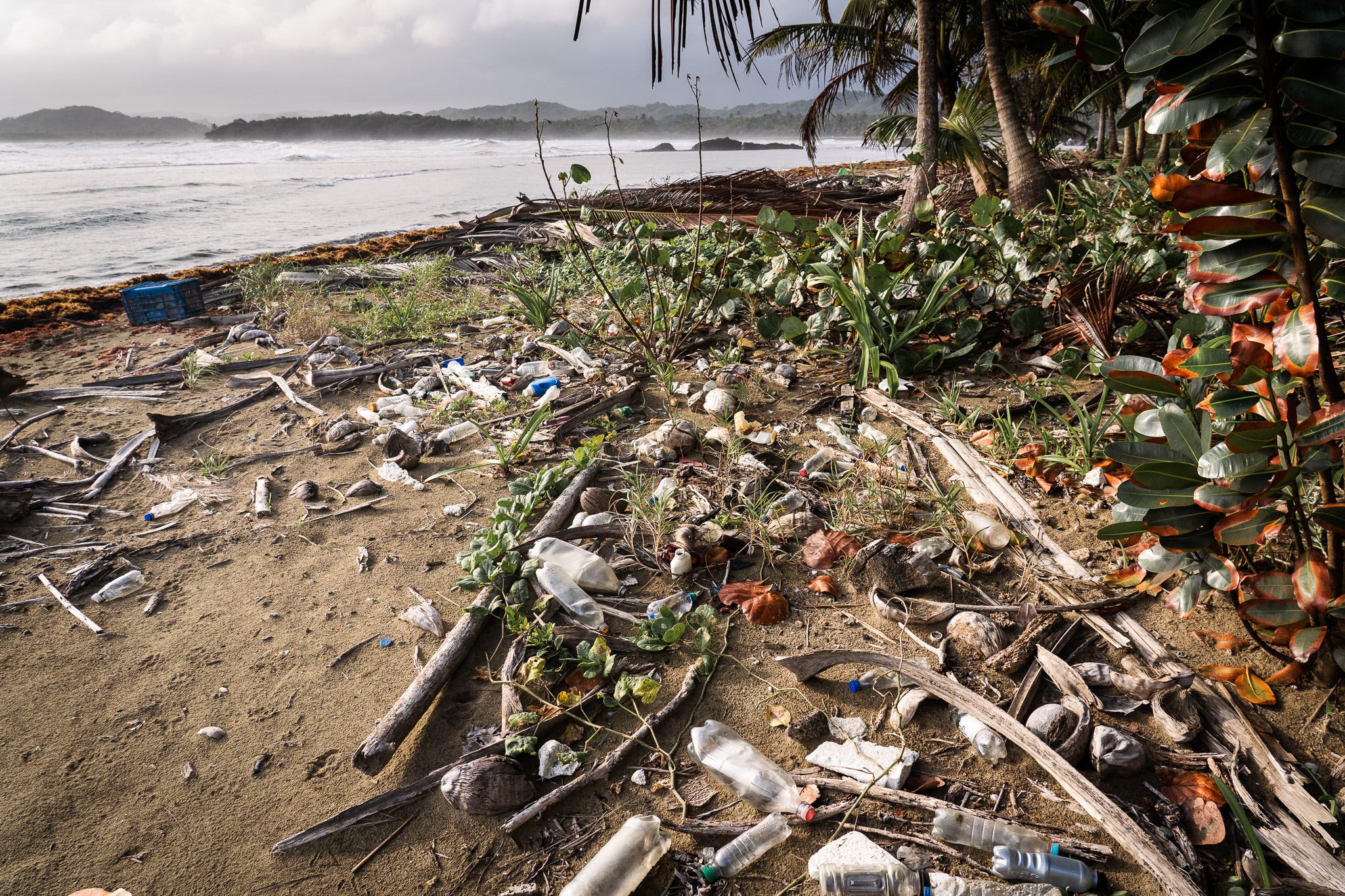
In what seems to be a testament to our times, the nearby beach is littered with heaps of plastic, like most remote beaches in the Caribbean. For sure, the fancy people who built this place must have had a different vision in mind.
As a paradise in ruins, destroyed by human attachment to endless, mindless, anxious consumption, I see it as a reminder of my own attachment to stuff. Stuff I think will make life easier and better, but ends up having the opposite effect.
The future is now
Sailing through the Caribbean has often felt like travelling through the ruins of a modern world that has been destroyed by greed and excess consumption, but this particular run-down marina strikes me as an unsettling image of what lies ahead if we don’t change course.
In many ways, we’re already there—in that dystopian future of Hollywood movies.
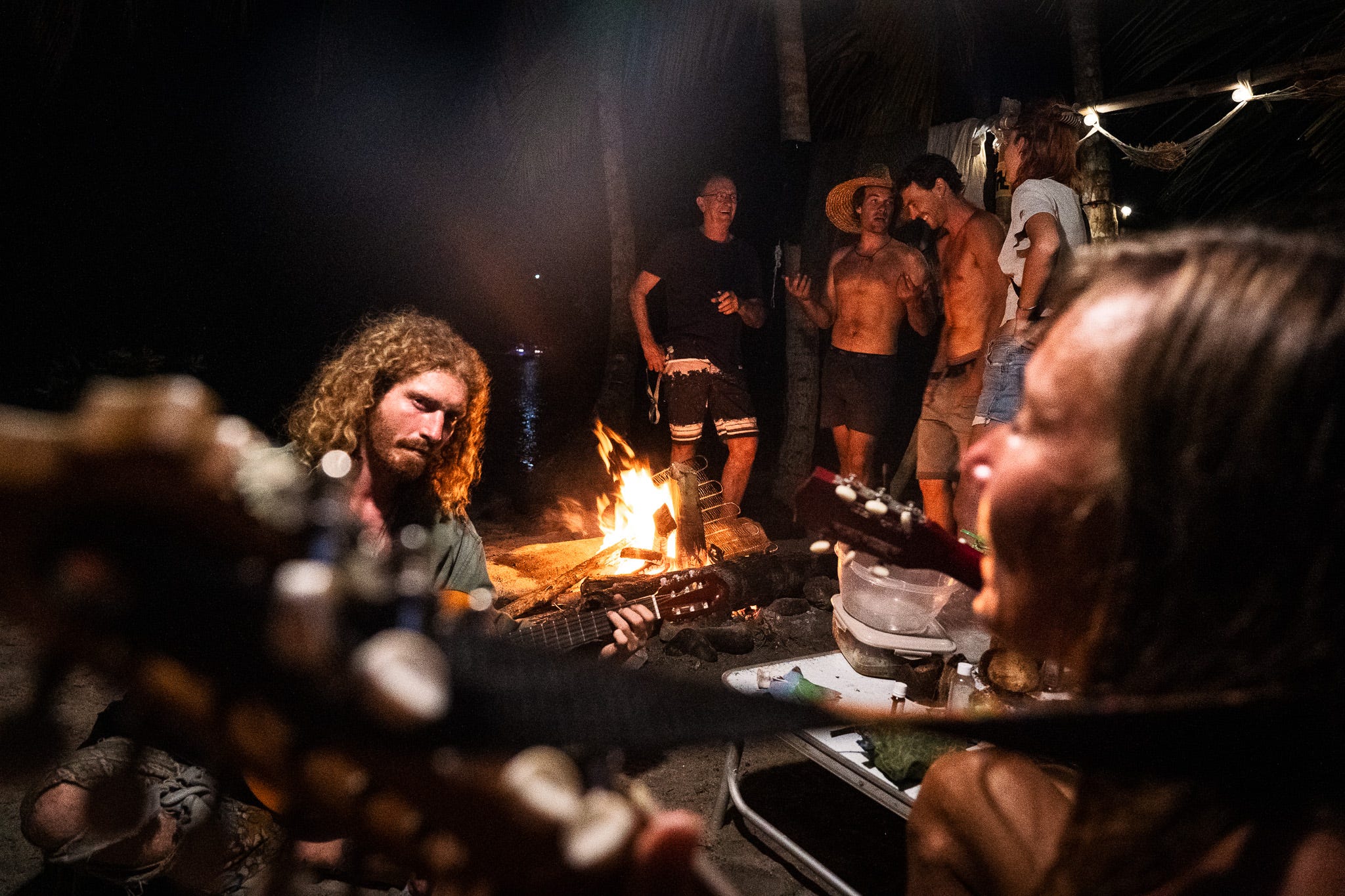
Just like those lonely roaming wanderers of the movie screens, I have, in the last few months, fixed my ship with scrap metal, spearfished among dying reefs, and learned how to live, perhaps even thrive, amidst the ruins.
And maybe this is the lesson of our time: that even as the world crumbles, there is still a glimmer of hope. Not hope that we will survive the apocalypse. Hope, instead, that its simplicity is what brings us back to life.
Simple life in harmoni with nature. 🤩🙏
This is incredible. How to even begin?...