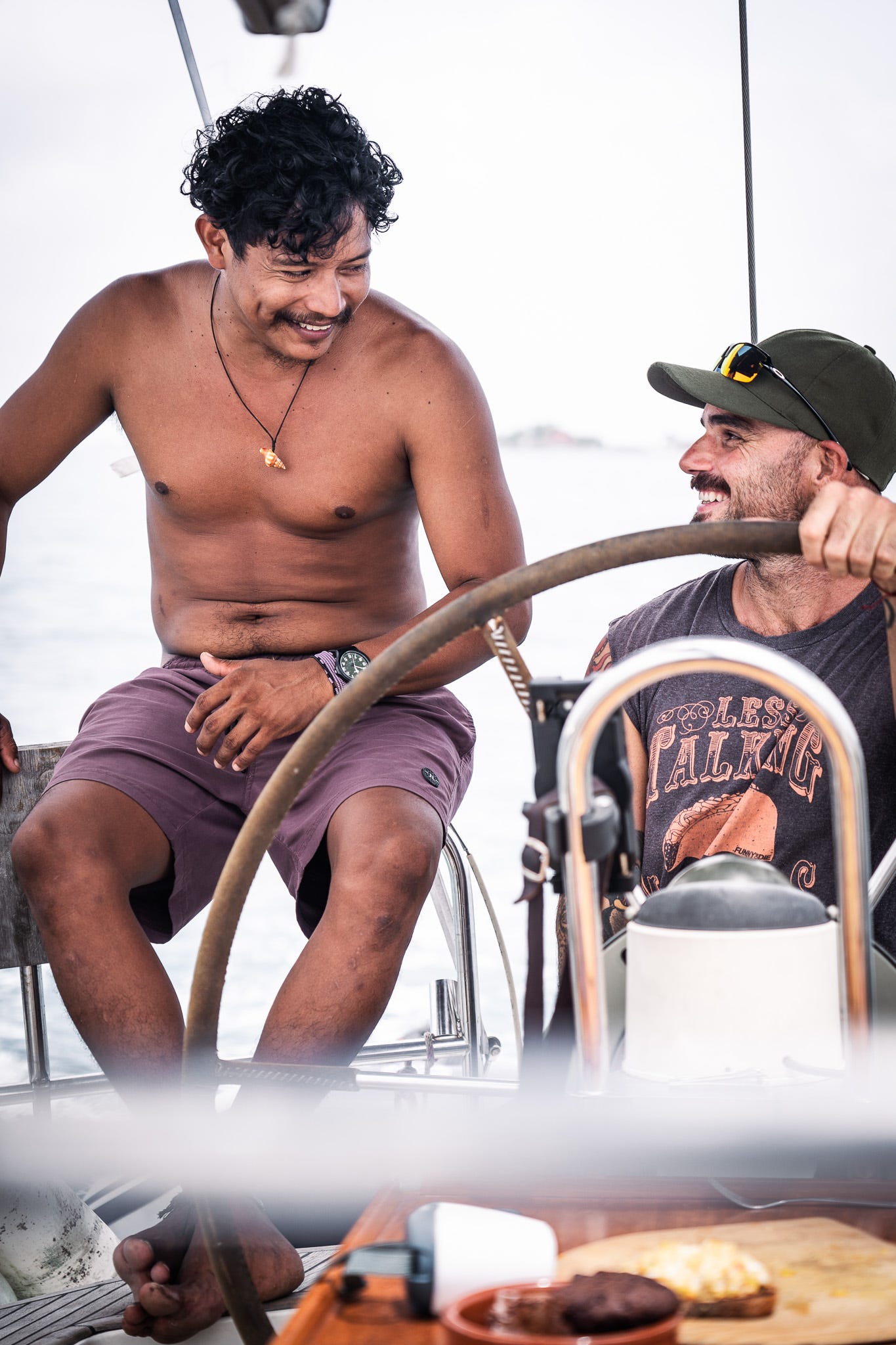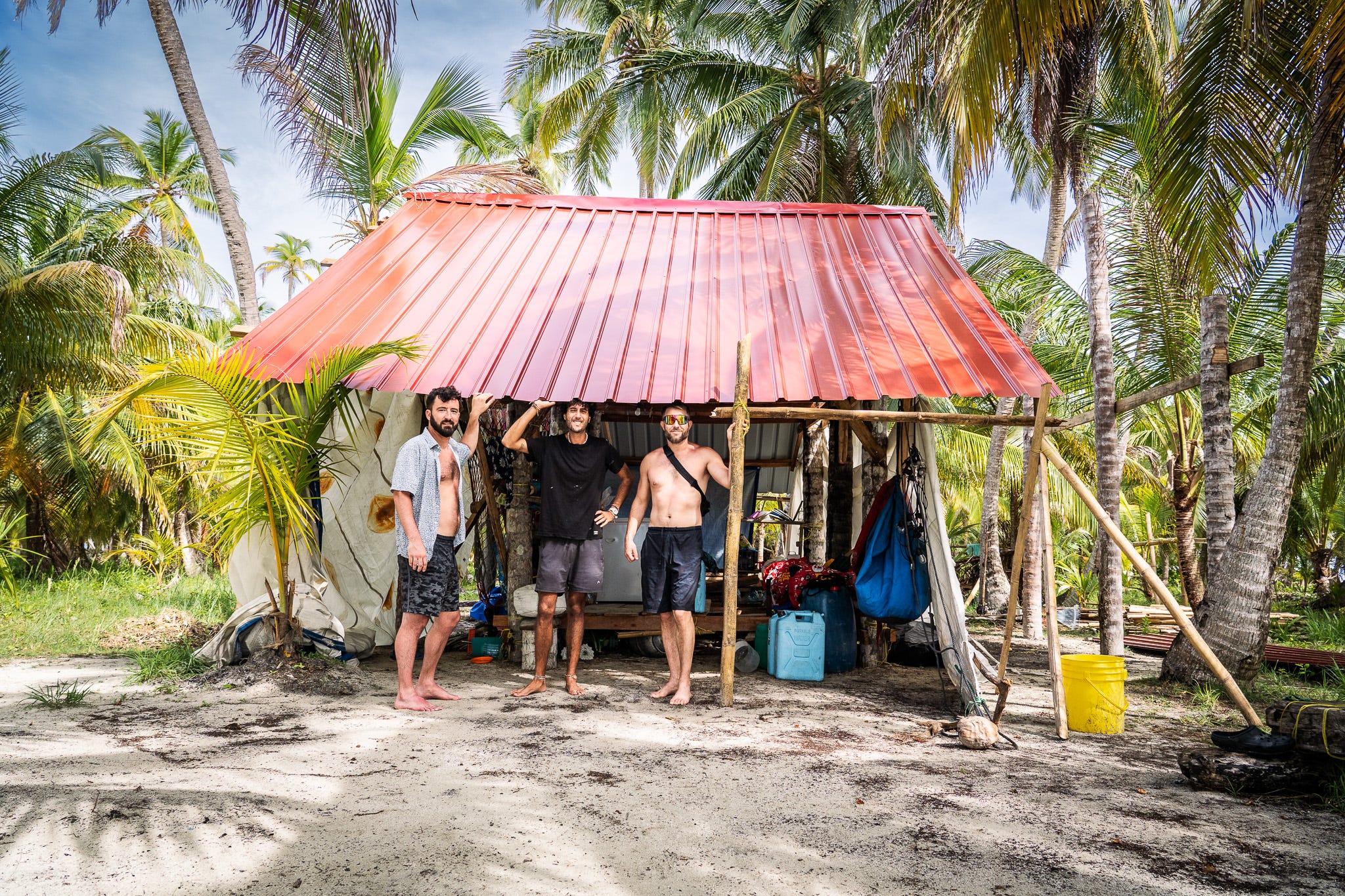
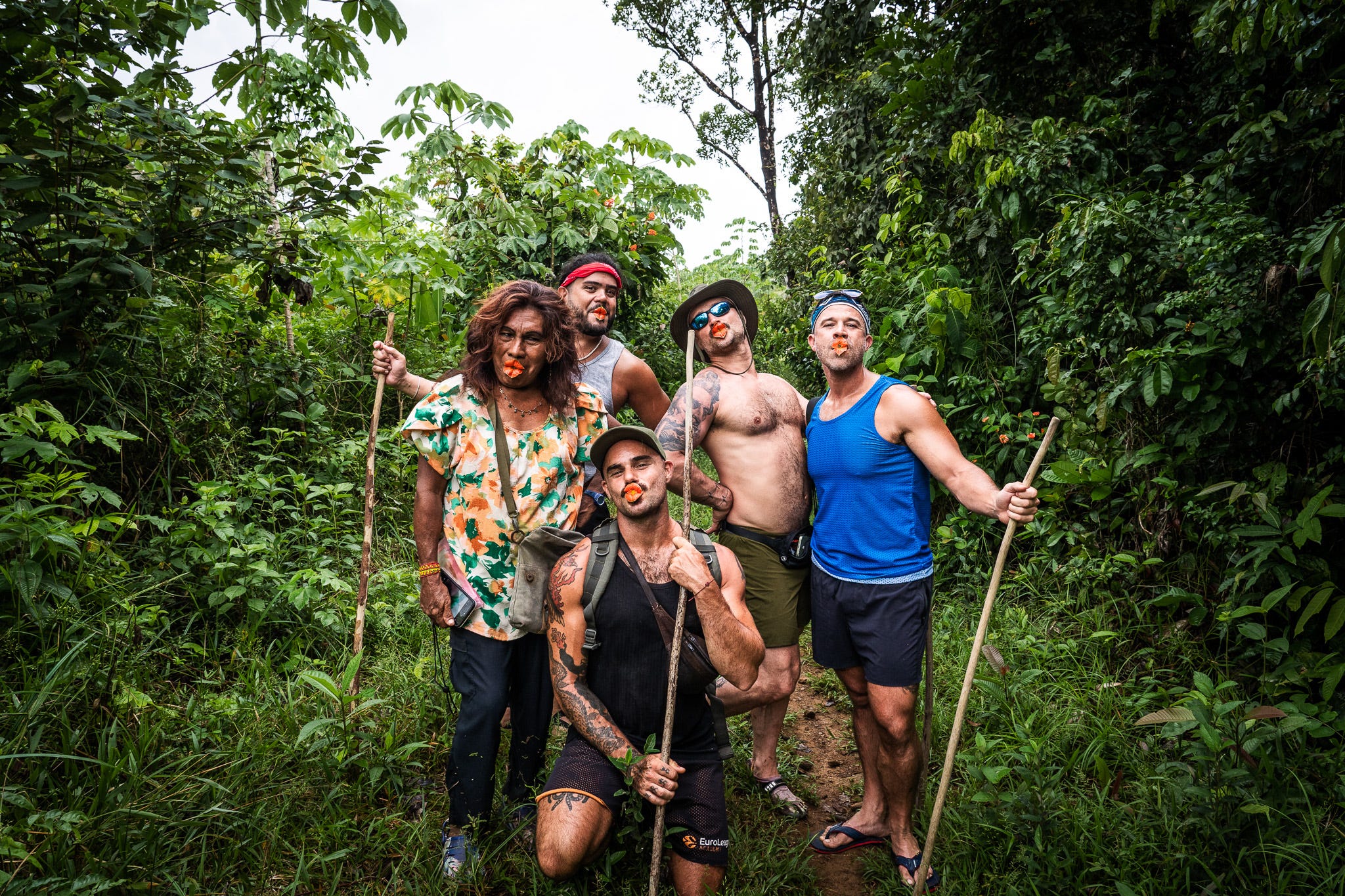
Michael, Diego, Malik, and I have brushed the sweat off our foreheads after a long morning as engine mechanics and gotten our (mostly) gay asses to the traditional chicha celebration in Rio Cidra, one of the many island-villages in Guna Yala.
Chicha is a fermented corn drink and the name of teenage Guna girls' coming-of-age celebration. It’s a festive event—for the village, not for show—and Lisa, our host, has warned me that we are not allowed to take pictures, so I have left the camera behind on the boat to avoid temptation.
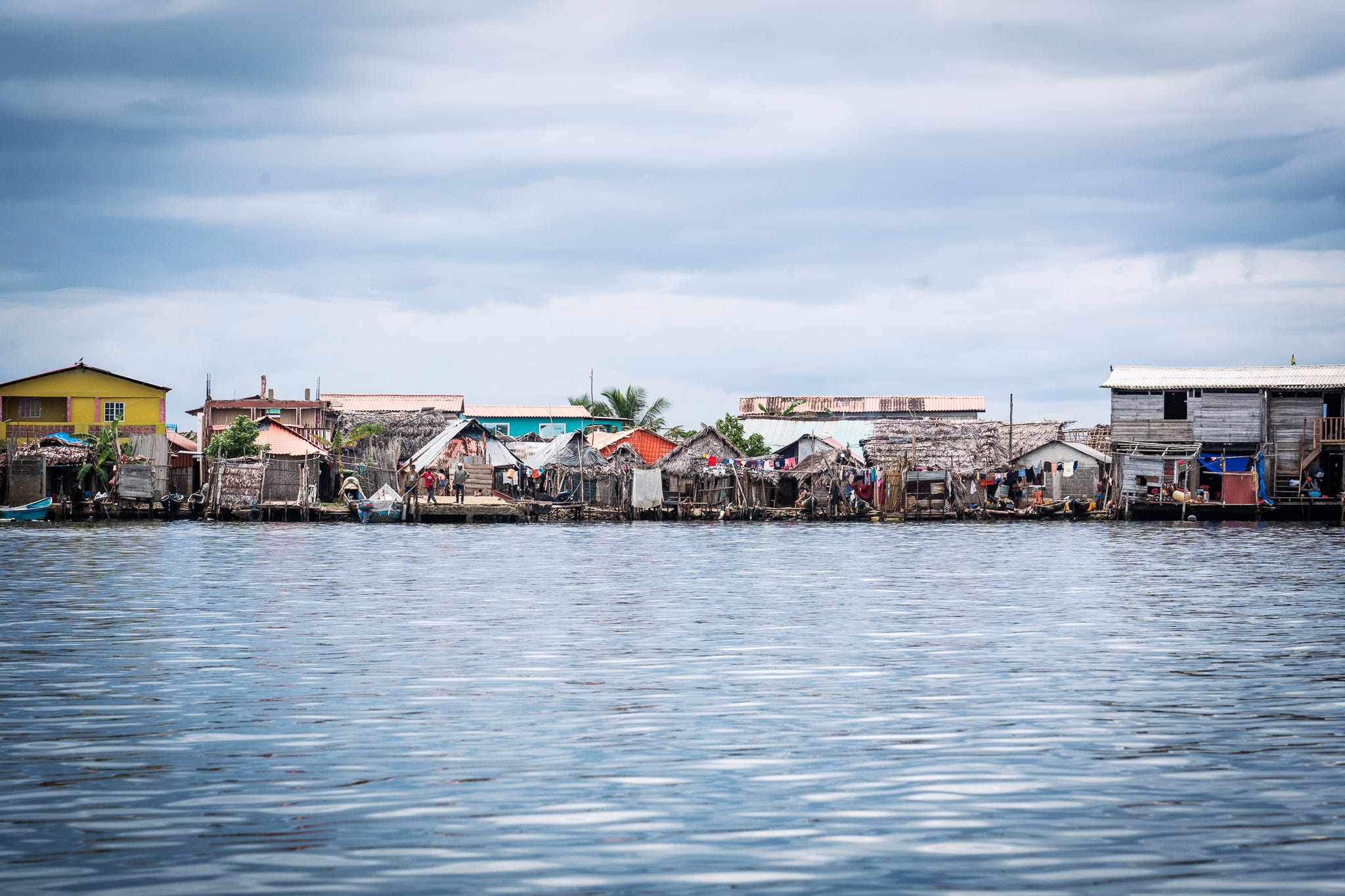
Our engine malfunctions, delaying our arrival at the party, and all the chicha has already been devoured by the time we arrive. The main street, a narrow path between large bamboo houses, is lively. Women dressed in traditional mola (meticulously hand-sewn dresses). Men relaxing in plastic armchairs outside their homes and small shops. Children running between the buildings.
The kid in me, the one raised on exotic images of foreign cultures, feels like he’s stepping into a different time and space. The grown-up knows that such a gaze creates distance and reduces the complexity of communities that are steeped in contradictions.
Like when Antonio, who picked us up at the dock, says that photos are okay if we pay. One of the guys asks a group of women if we can snap a shot in exchange for a few bucks. The proposal causes debate among the women. Some of them are notably bothered and get ready to leave when their friends concede to the request.
It gets awkward.
For a second, we’re the gringos with money and they the natives, both parties reduced to stereotypes, and everyone feels it.
Our queer kin
We’re here to meet Lisa and her friends, and village life is not a tourist attraction.
I’ve gotten to know Lisa a week earlier. She’s a local guide and takes sailors and tourists in the area for hikes in the mainland rainforest. Picking my crew and me, three cute big-city gays, up at our boat, she had pointed at the massive pride flag waving on our mast and enthusiastically noted that we’re all LGBTQ.
Turns out, Lisa was born a boy but raised a girl, as custom is among the Guna, when parents realise that their children are different from the rest. Despite the geographic distance, this makes us kin, and Lisa quickly tells me that she wants to introduce me to her group of friends.
A week later, in Rio Cidra, she meets us outside the chicha-house. For the time being, the house is only accessible to women, but Lisa grabs me firmly by the hand and pulls me inside to meet the rest of the lot.
We are, differences aside, from the same community.
And also, who cares if a gay guy walks into an all-women’s party? None of my girlfriends, that’s for sure.
Navigating the challenges of tourism
Guna Yala is one of Latin America’s oldest autonomous indigenous territories, and over the course of the last few decades, the region has been transforming at a rapid pace, with the expansion of infrastructure and tourism reshaping traditional ways of life.
Having spent the last decade researching the impact of tourism in remote areas, I have mixed feelings about stepping into the role as a foreign tourism provider on indigenous land.
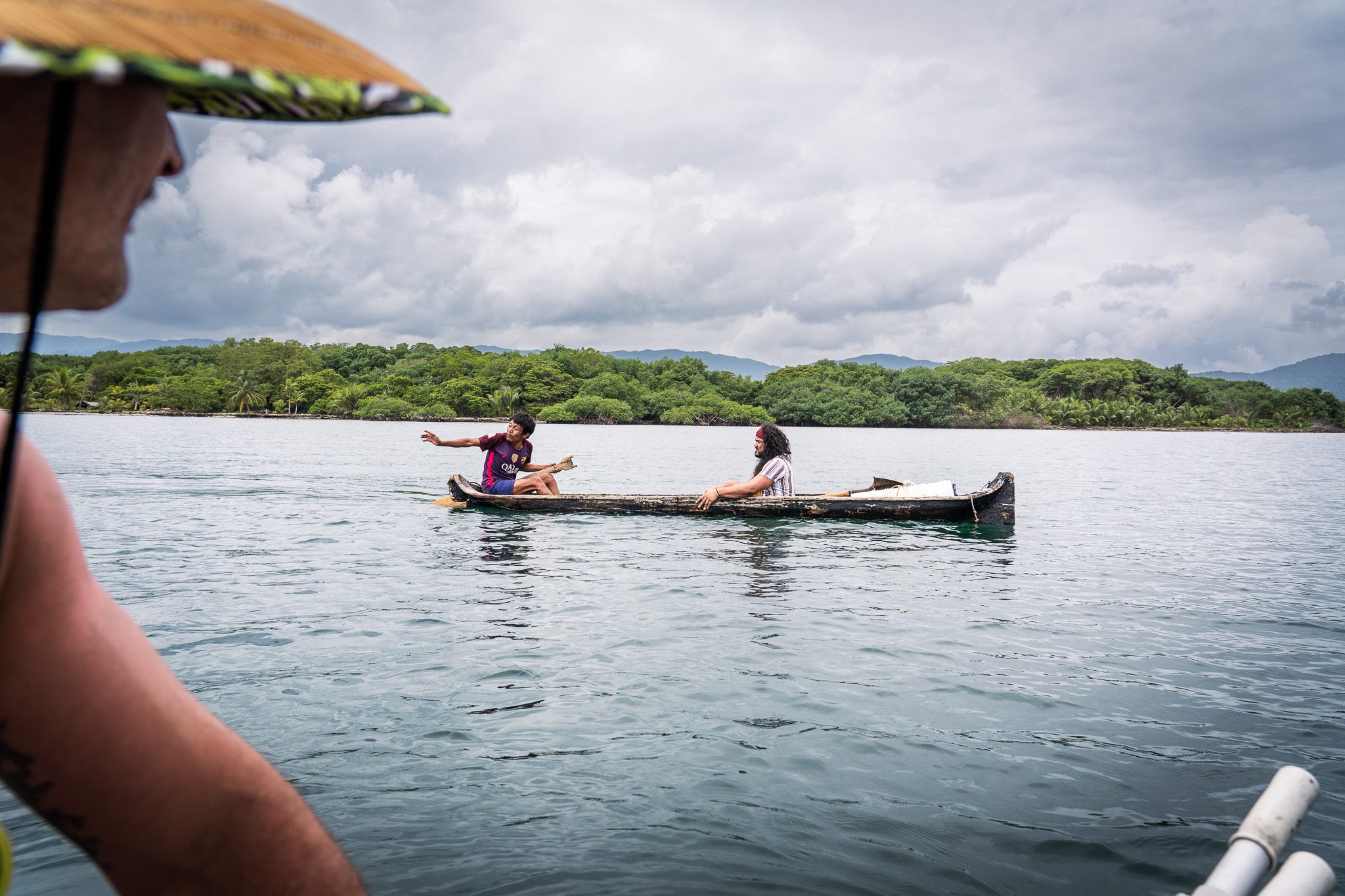
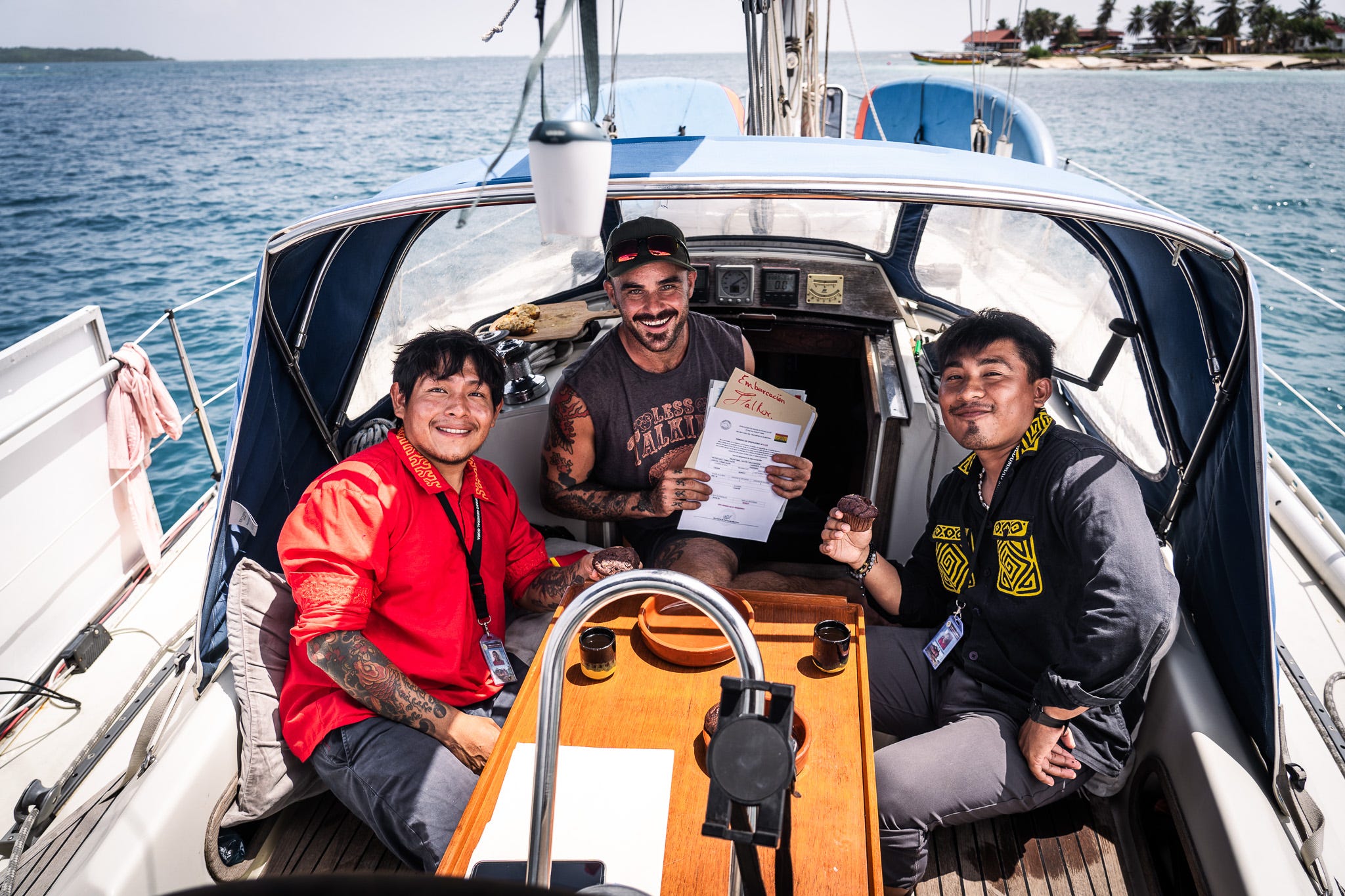
In the archipelago, sailors are the only outsiders who are allowed to do business, and even then, strict bureaucratic rules apply.
I’ve taken care to play by the book, but respecting local rules doesn't automatically give me an ethical green light. The complexity of the relations between foreigners and locals in the context of Central America’s colonial history has cautioned me to think deeply about my own role as a white bro selling sailing experiences in Guna Yala.
Importantly, while as a nomad, this place is home right now, I am fully aware that I am, first and foremost, still a guest.
Being a good guest
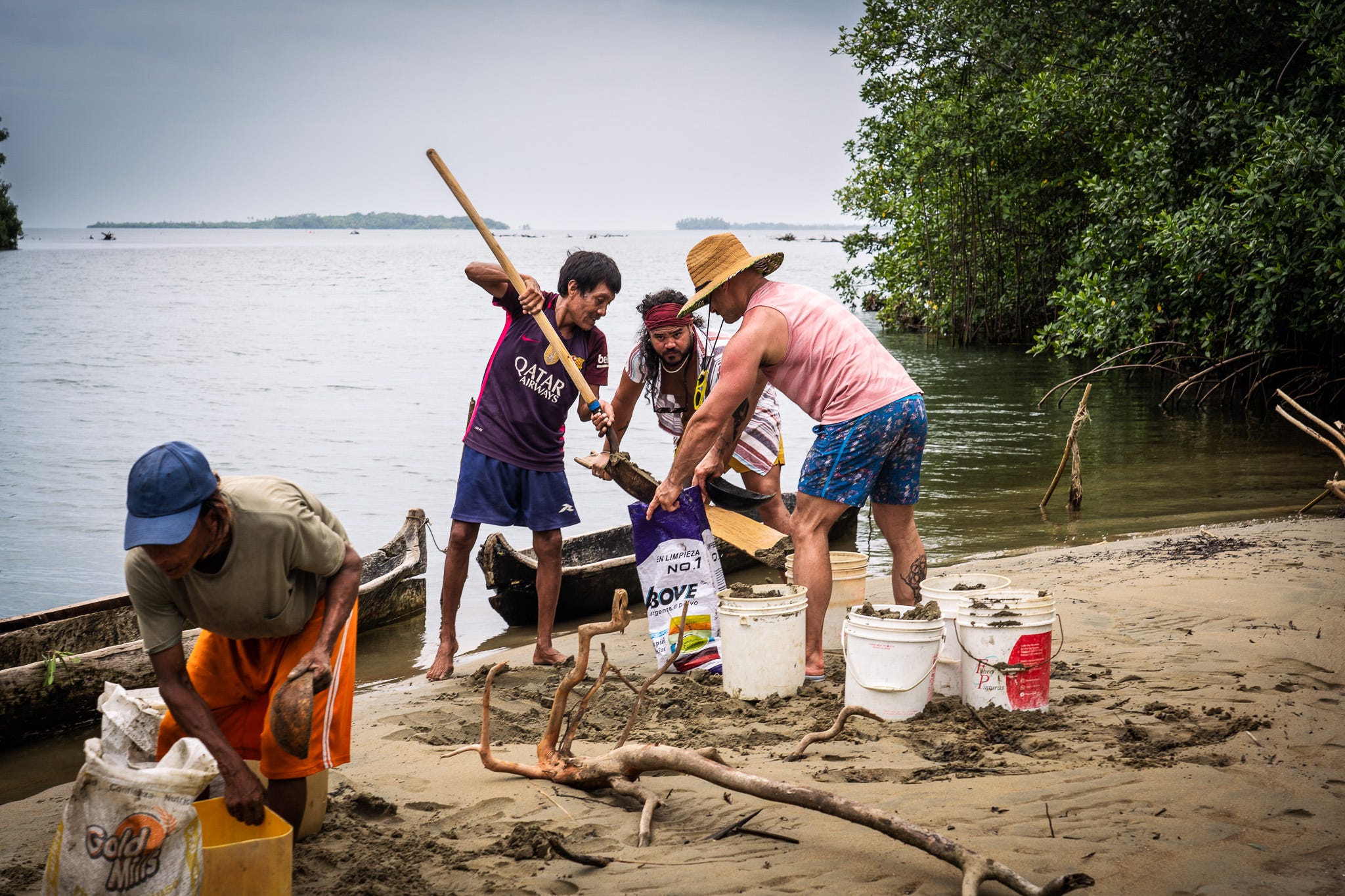
What does it mean to be a good guest? I ask Max, who, for the time being, is my guest—on board Falkor. It’s a welcome role inversion after spending weeks in Max’s campsite on Green Island.
“For the Guna, being a good guest means offering help with whatever is needed,” he reflects. “And asking for permission.”
On Green Island, everyone is welcome, and Max is reluctant to charge. It is not the vibe he wants to create.
His beach campsite is usually full of hippies, slow travellers, and Guna families who come to spend the day. Max has built a simple hut there, with the help of a few long-term guests—travellers who meant to stay a week or two, and ended up staying six months plus.
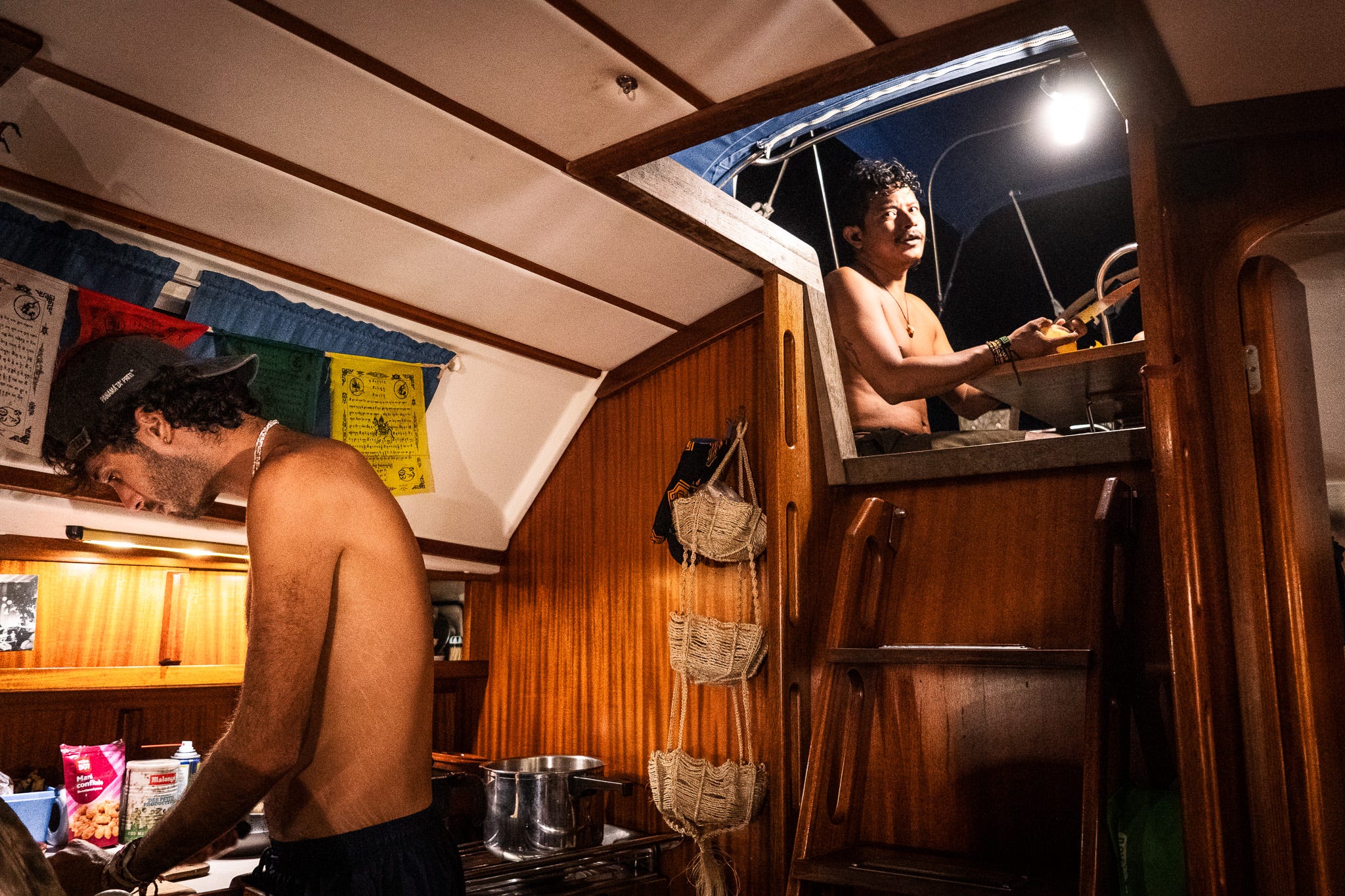
Max’s answer makes me reflect on the lessons I’ve learned after a year of travelling through Central America. The Maya, too, place permission and reciprocity at the center of their relational ethics.
It is miles away from the “it’s easier to ask for forgiveness than permission” that I’ve encountered elsewhere in Latin America. As a rebellious reaction to an impossible bureaucracy, doing things without permission might be understandable and by the looks of it, the Guna live by this maxim as well. But as a cultural rhetoric, it still rubs me the wrong way.
In Central America, asking for permission is applied in the broadest of senses: among the Maya, it is neither requested from nor granted by a state bureaucracy, but rather by the spirit world and land—through rituals or in direct interaction with the people who are affected by your actions.
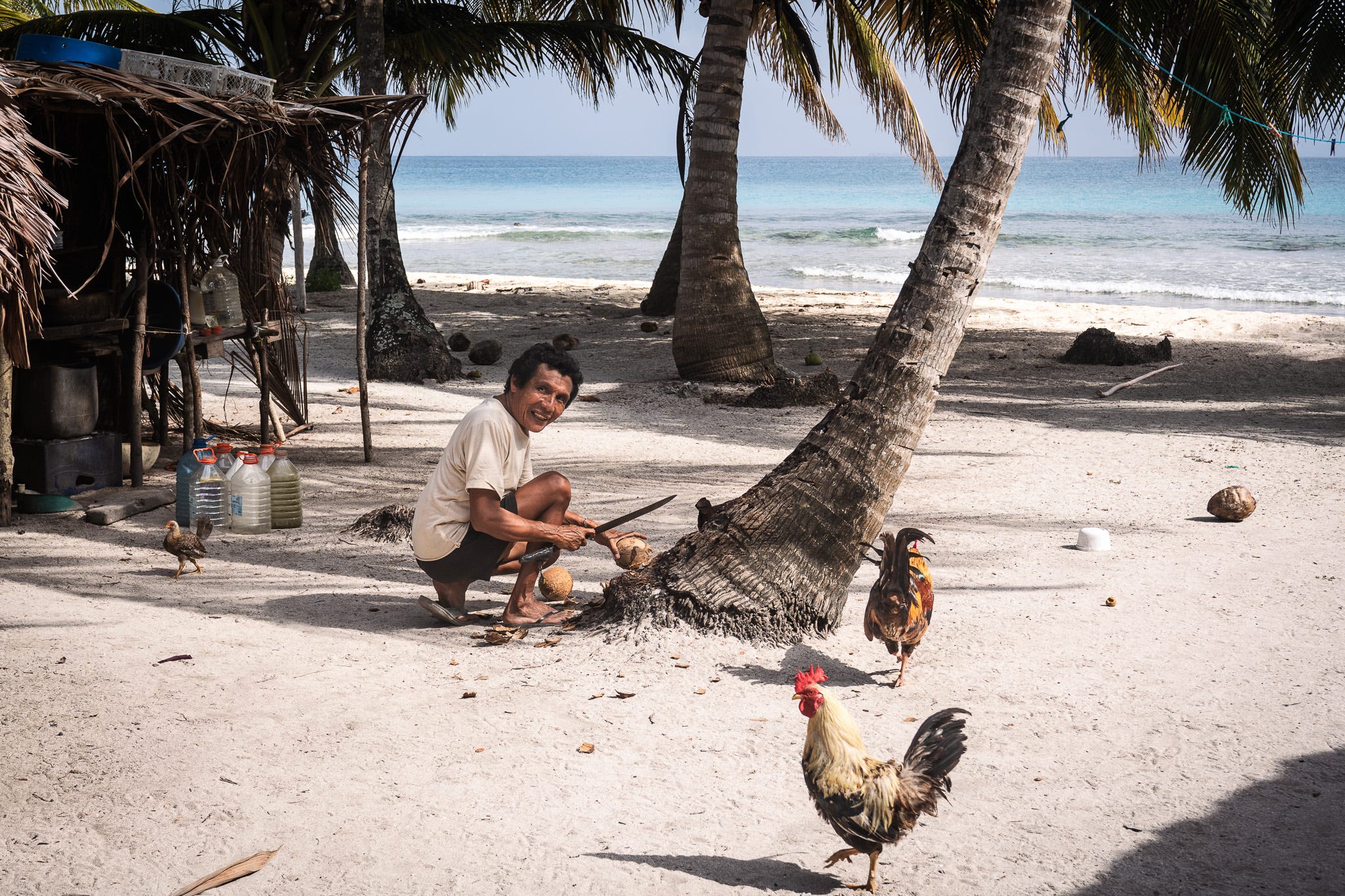
The locals navigate these tensions too, and I’ve met resistance to Guna central authorities even among the public servants who are supposed to enforce the local rules. “You shouldn’t have said that you’re doing charters,” some Guna have told me. Most of them agree that the steep taxes on charter permits line the pockets of their leadership, instead of returning to the community.
The Guna, too, complain about taxes.
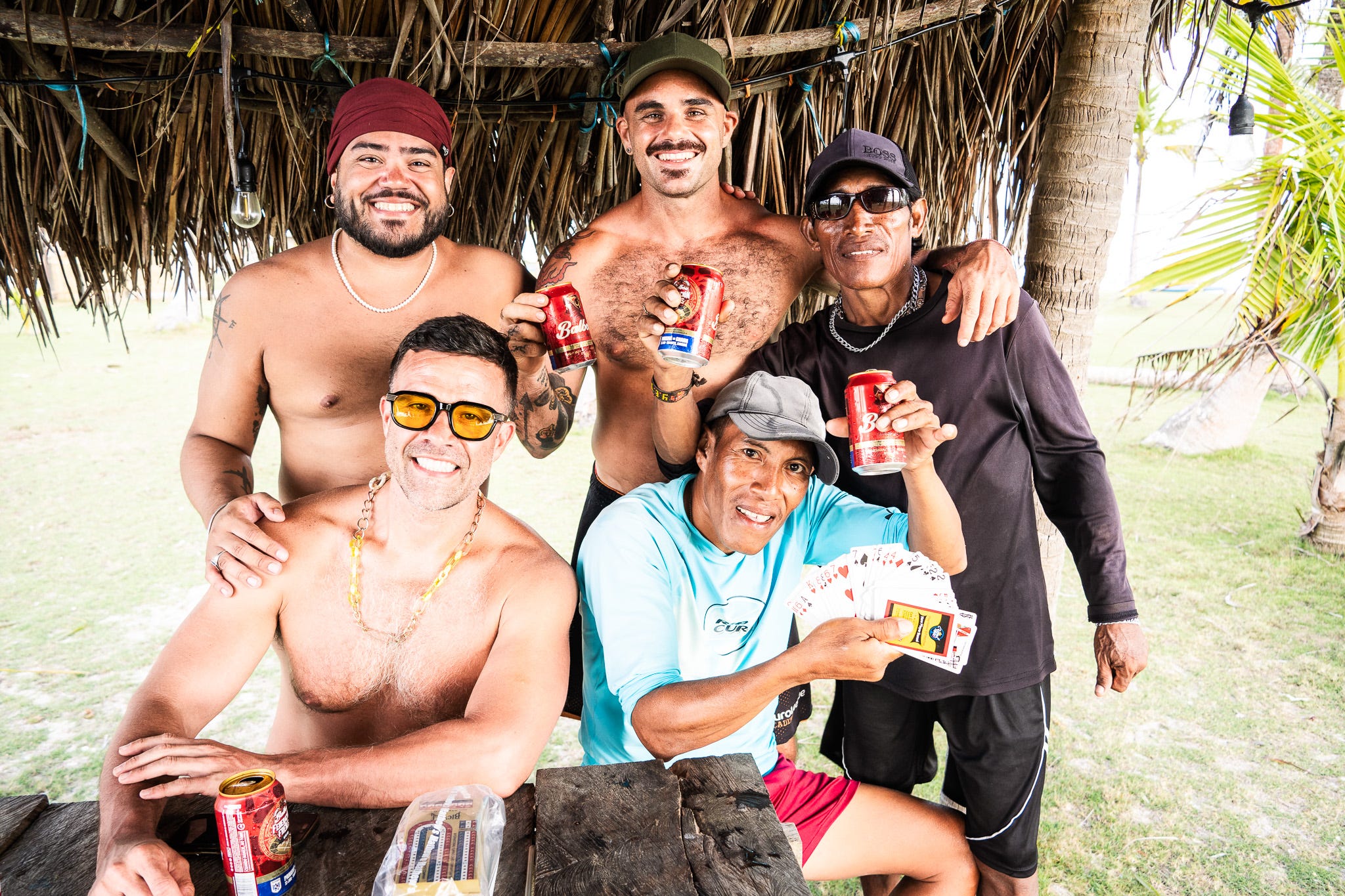
And from what I can tell, what they’d like the most is for their foreign guests to offer a helping hand in their veggie patches, bond over a can of beer, work shoulder to shoulder, and support their local businesses: to take part in their communities, not just as guests, but as friends and neighbours.
And maybe, if there’s a deeper lesson here, it’s this: an ethics for the good life on a planet that is inevitably shared is not just about being a good guest.
It’s about sitting down for a meal, together, realising that we’re all kin.