

Out of sync
I’m a boat person now. It took me eighteen months, two continents, and a broken engine, but I got here.
Since I left Barcelona a year and a half ago, every decision that has extended this journey felt like a crossroads. Panama or Guatemala? Add another year to your trip. Guna Yala or the Pacific? Plus two.
When your itinerary is shaped by the seasons, a month-long delay almost automatically multiplies by ten, maybe more. If you expect things to run smoothly while sailing, you’re almost guaranteed to spiral into chronic despair.
But slowing down isn’t as easy as the lifestyle gurus claim.
Budgets must be remade. Work must be created or found. Longer—much longer—periods of what may feel like isolation, silently accepted. And the discomforts of living on a small, humid boat in the tropics (full disclosure: it is not always a dream) must be endured.
Going all in
In my case, the mental toll of constantly pushing through unforeseen challenges and winging it financially convinced me that if I want to enjoy the journey I’m on (I do), slowing down is a prerequisite.
If you embarked on this as a time-out from what you imagined was your real life—the life that you would build your identity and future around—turning what was supposed to be a seven-month adventure into an open-ended, multi-year pursuit can feel painful and riddled with the anxiety of “when will I get there.”
Yes, I know that going all in can be a mixed bag—it requires sacrificing an old identity—but being halfway in and halfway out is far worse. A hard pill to swallow in an age where there’s always somewhere else I should rather be, something else I should rather do.
You know this feeling. You’ve been halfway in and halfway out of something for years.
Releasing the fantasy of arrival
So this is what I’ve done: I took a pause. I put the boat on land, jumped on a plane, and went back home. I slept in a regular apartment. I rode the subway. I saw the dentist.
And I had my eureka moment.
The life I left behind, the life that’s waiting once this journey is over? It will still be there five years from now.
What changed? I realised that the timeline that I set from the comfort of my port of call made no sense anymore. I’m so deep into this adventure now that deciding to arrive in Australia within six months or six years seems like a pointless exercise. Cause a) there’s no more savings to hold on to, and b) once I’m there, then what? I have no clue.
And now, back on what I still lovingly refer to as “the fucking boat”, I’m ready for the deep dive into real boat life. The one that can only truly start when you’re not focusing on when it will end. The one that hones the rhythms of the process—of the time it takes to fix an engine, raise the money, do the paperwork, and wait for the winds to change.
First impression: for the first time in a long time, I’m able to sleep through the night.
Granted, last night I woke up worried about all the things that can go south as I prepare to welcome guests on board in a few weeks. But it was not the crippling anxiety that has accompanied me on past legs of this journey, as my cash balance has dwindled and arrival dates have been pushed further and further ahead.
It takes the time that it takes
Perhaps, the lesson is that a prerequisite for emotional wellbeing is honing the rhythms of whatever process you’re in right now. Accepting that “it takes the time that it takes”—the exact words that my psychic uttered almost two years ago, as I was planning this journey.
It took a while for them to really land.
But over the course of the last year, sailing has taught me a valuable lesson about tempo. Try to rush the process? Instant suffering. Guaranteed. Accepting the times set by your environment? Sometimes hard, yes, as expectations might need to be adjusted, but when you surrender to acceptance? Oh, the sweet relief of air in your lungs. Kinda like practicing free-diving.
German sociologist Hartmut Rosa has built his theory of happiness around the concept of resonance.
He argues that modernity operates through a structural compulsion to speed up the pace of technology, accumulation, yes, even of life itself. The problem isn’t just that speed makes us busy, as the lifestyle gurus will gladly tell. No, the problem is that it makes the world appear mute and unresponsive.
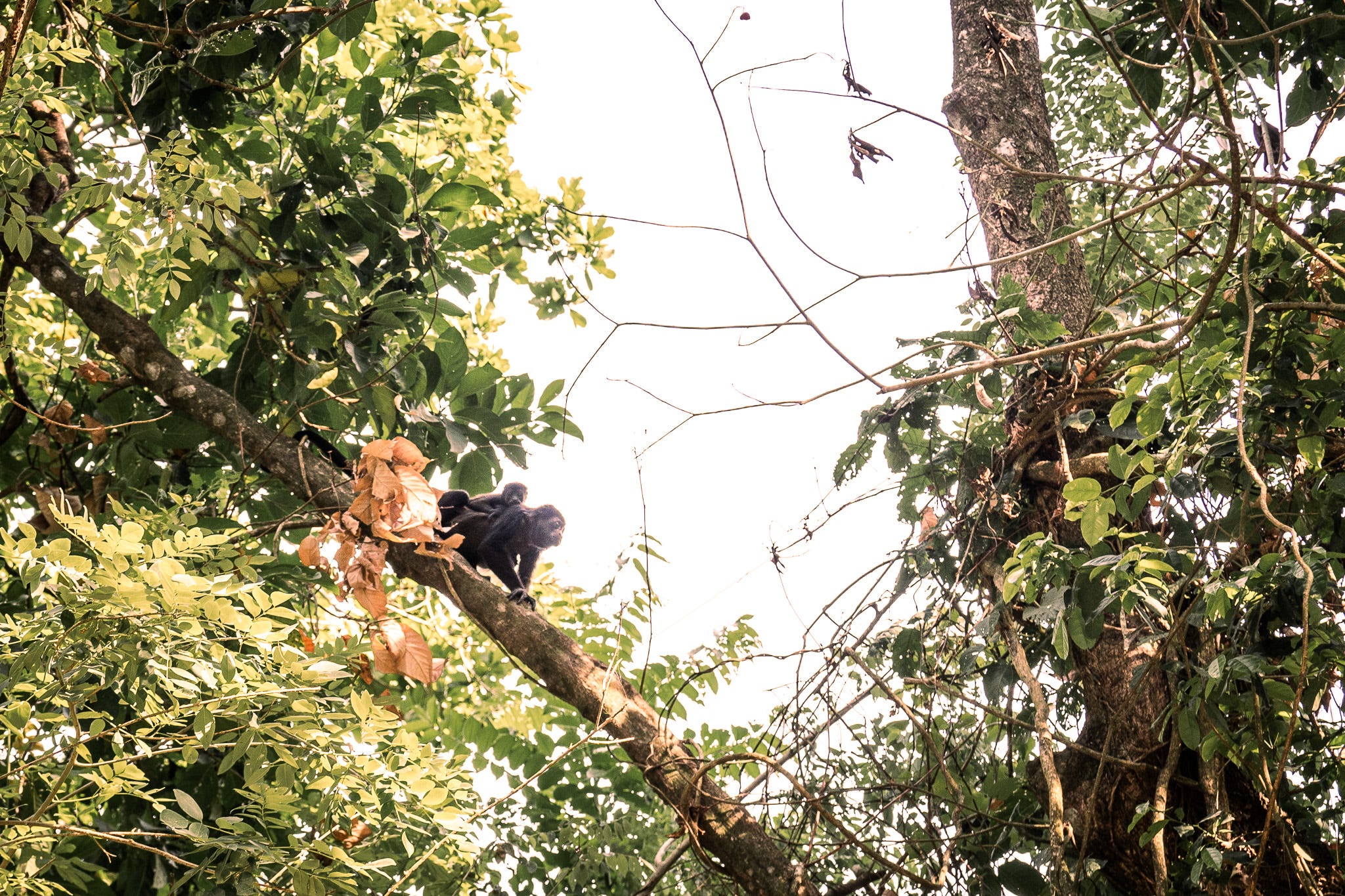
Living life at an accelerated tempo disconnects us from the rhythms of our surroundings. It makes it almost impossible to cultivate a living and responsive relationship to the world, where things actually reach you, and you reach back.
For Rosa, the secret to the good life is resonance—making time and space for a constant back and forth with our environment: with people, places, and the rhythms of life.
In other words, embracing the role you’re currently playing might just be the prerequisite for presence, and presence, as it seems, is the prerequisite for a life well lived.
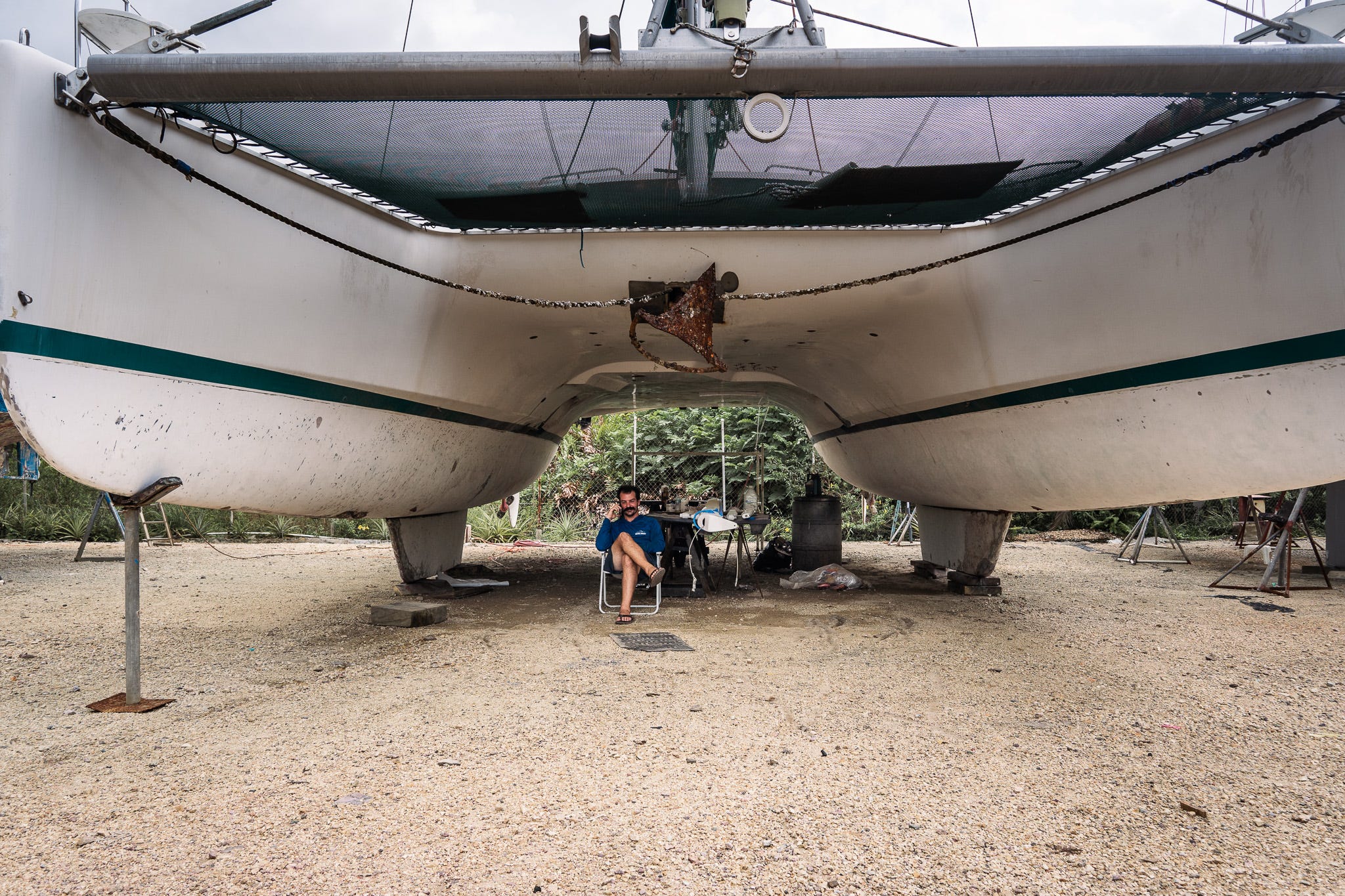
Stepping into The Identity
For me, slowing down was only possible after I decided that right now, this journey is my life. There’s nowhere else I should be. There’s not a pot of gold at the end of the rainbow—the gold is in the colours painted across the sky. In the pursuit of a dream. In the experiences you accumulated along the way.
You know this. It’s commonsensical, I’m well aware. But we still need the reminder.
I got mine when I finally accepted that I’m a boat person now. And that even if I’m far from home, I do have a community. My fellow sailors. Free-spirited hippies and freaks who have gone through many of the same experiences I have.
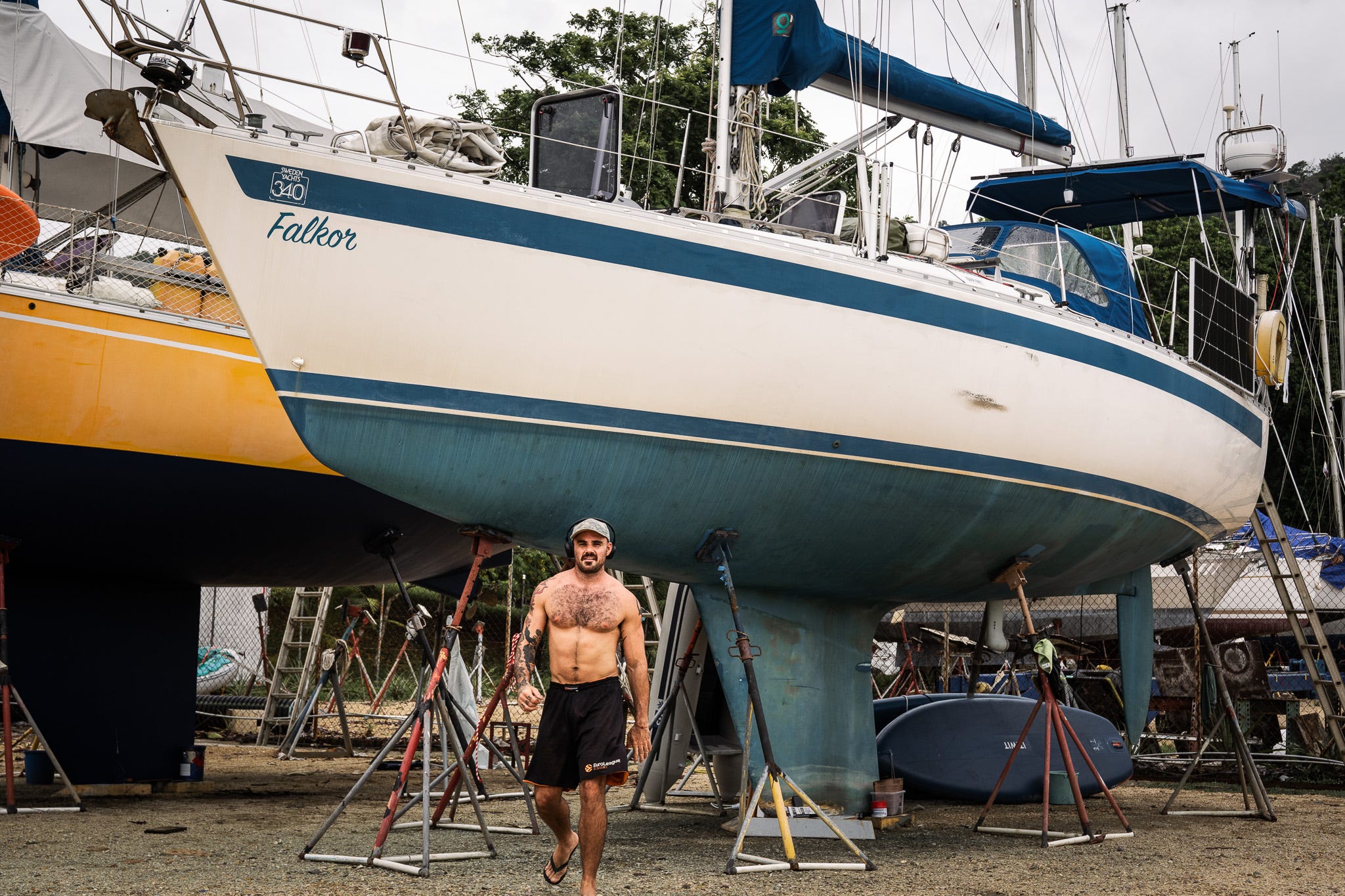
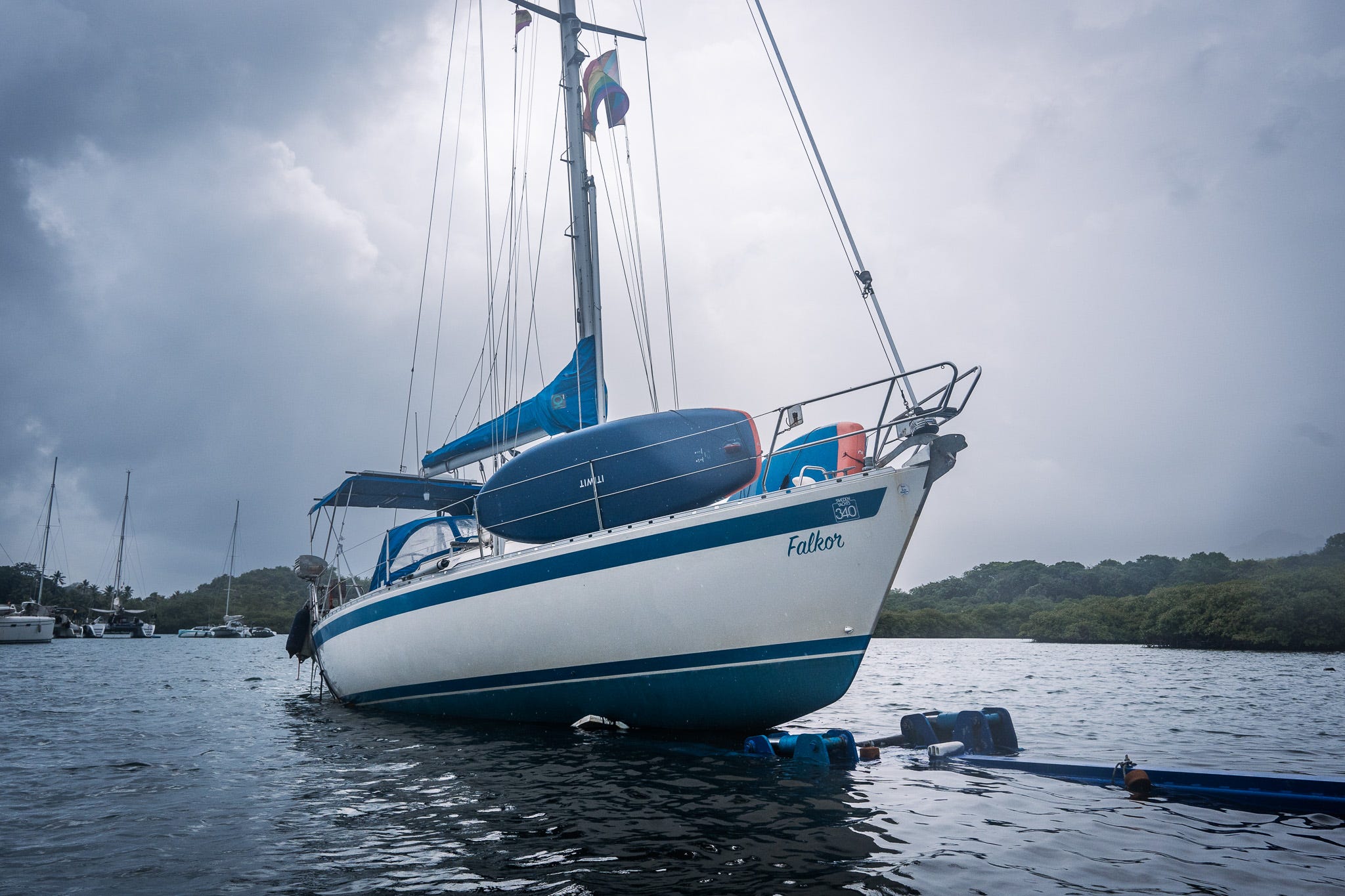
Having Falkor on land in Panamarina, a small family-run establishment in the middle of the Panamanian rainforest, has offered a space to bond over broken engines, malfunctioning solar panels, delayed travel plans, financial hurdles, and impossible heat.
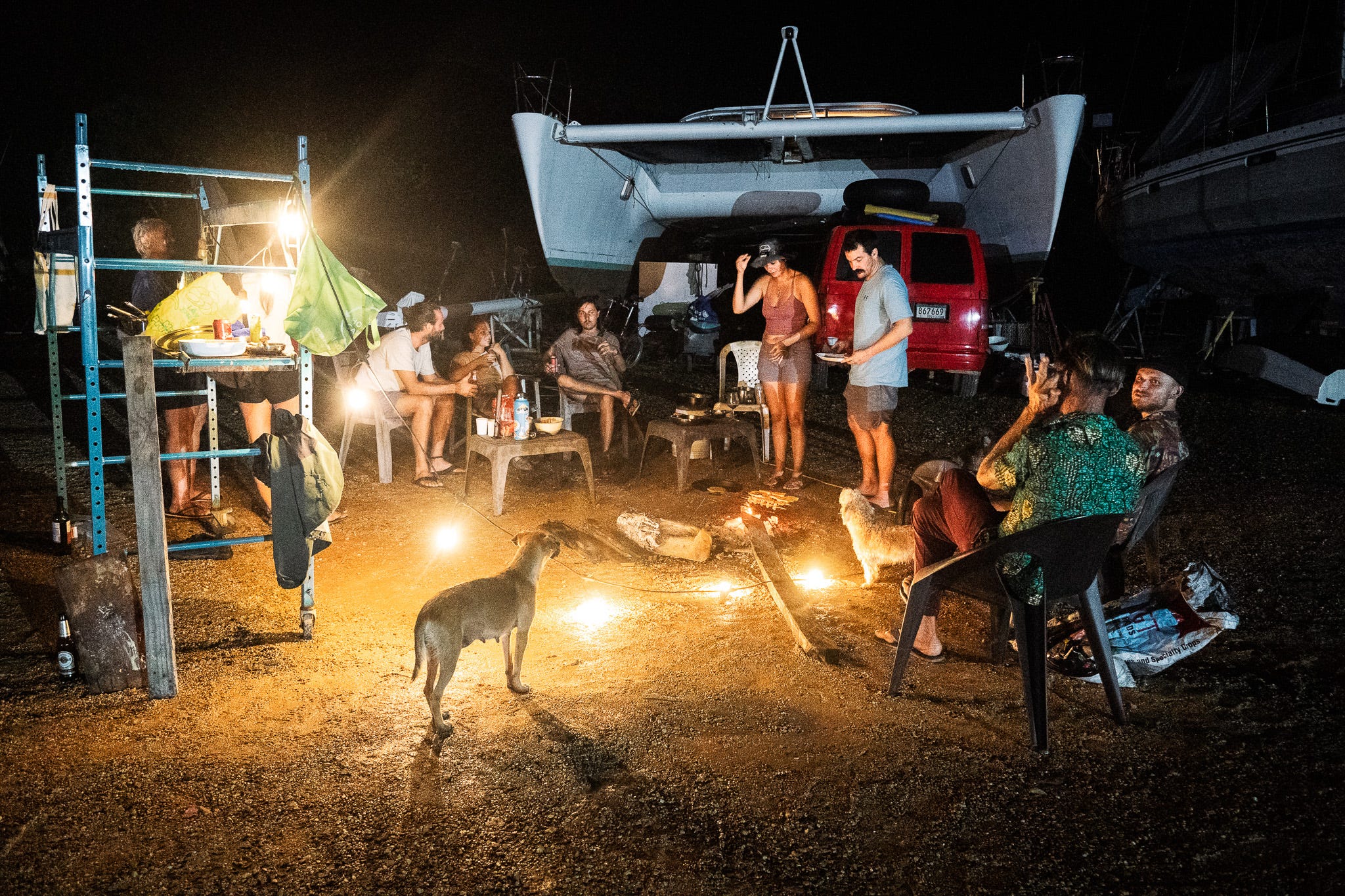
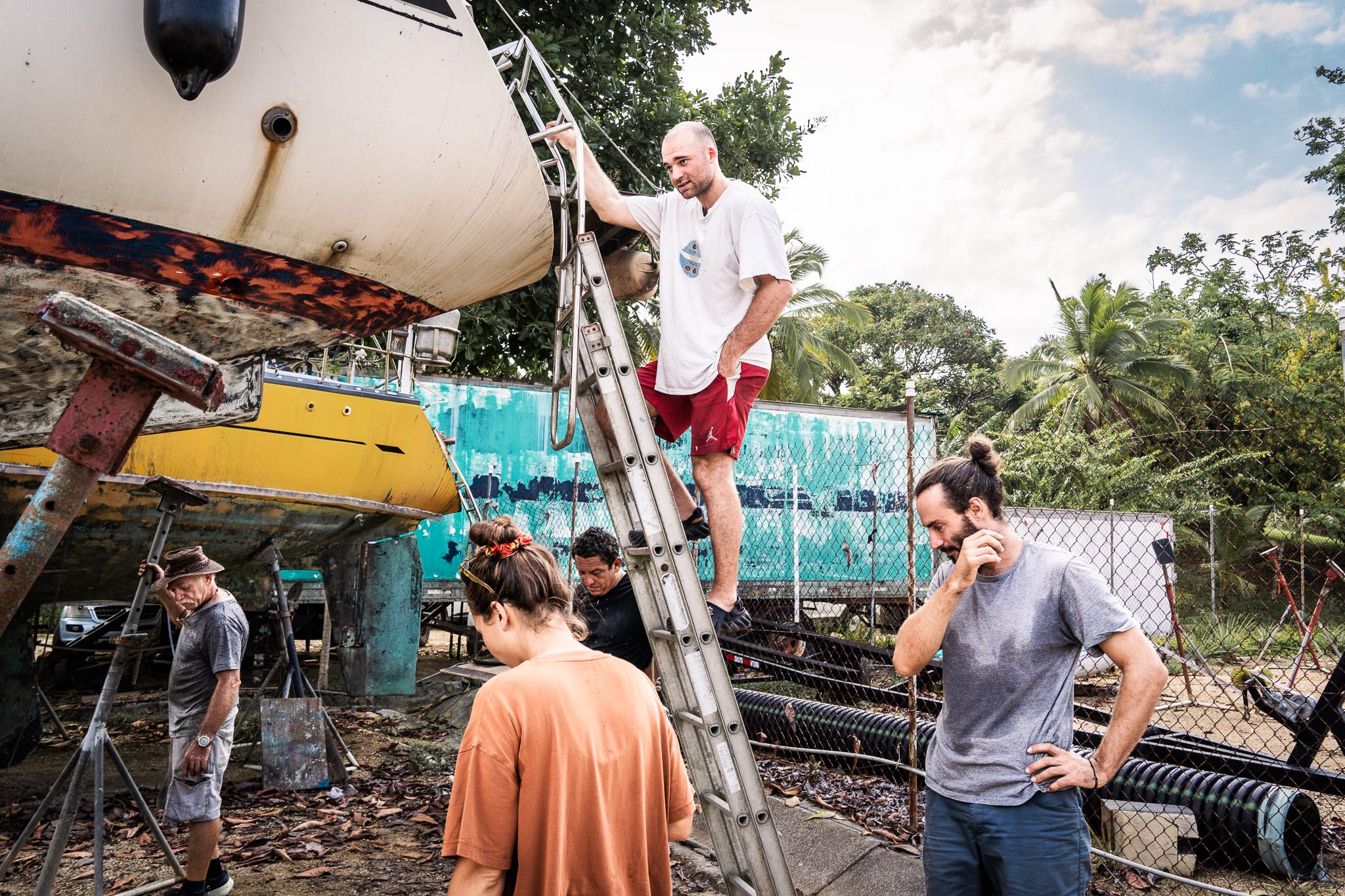
I’ve met a group of people who live life at a slow pace: the DIY American who’s been refitting his boat for the last two years, the YouTube couple who’s been sailing for five. In the afternoons, we’ve all come together around the fire to throw some food on the barbecue and play a round of bocce. We’ve shared stories of lightning strikes and broken rudders. And we’ve helped each other out with boats that act like whiny little brats.
It has made me realise that I’m not the odd one out, not fitting in—I fit, but in a different box than the one I belonged to before.
This journey has taught me that slowing down isn’t a lifestyle choice—it’s a surrender to rhythms beyond our control. And that the moment you stop fighting the tempo of whatever process you’re in, you stop experiencing it as a prison and start experiencing it as a life.
Where are you still halfway in? What timeline are you fighting that you set from a life and identity that no longer exists?
Where could your life dramatically improve, if only you went all in?
The first sunrays after the storm
After months of effort to ground this project and weeks of long work days in the boatyard, this weekend brought a moment of rest.
I was testing the dinghy and outboard engine on a trip through the mangroves when I decided to turn off the motor, jump in the water, and let myself float with the currents, while I listened to the sound of the ocean breaking on the reefs just out of sight.
For the first time in a long time, the weight of responsibilities was lifted off my shoulders, my mind went still, and the comments on my Instagram feed were forgotten.
And in that moment, I couldn’t help but wonder: Is this a time out, or am I finally checking in?
Heartfelt and beautiful!
Beautiful thank you Tomas. and you're making me pause. I've been half in my life for years now. Waiting to arrive, and waiting for something to be over, waiting for what happens when I arrive…